Notifications

5 minutes, 14 seconds
-77 Views 0 Comments 0 Likes 0 Reviews
Modern hospitals operate in a fast-paced environment where timely and accurate imaging interpretations directly impact patient outcomes. Emergency cases, trauma evaluations, stroke assessments, and critical care decisions cannot wait until regular business hours. That’s why many healthcare facilities are turning to 24/7 teleradiology solutions to maintain continuous coverage, improve efficiency, and ensure consistent diagnostic quality.Below are seven key reasons hospitals increasingly rely on round-the-clock remote radiology support.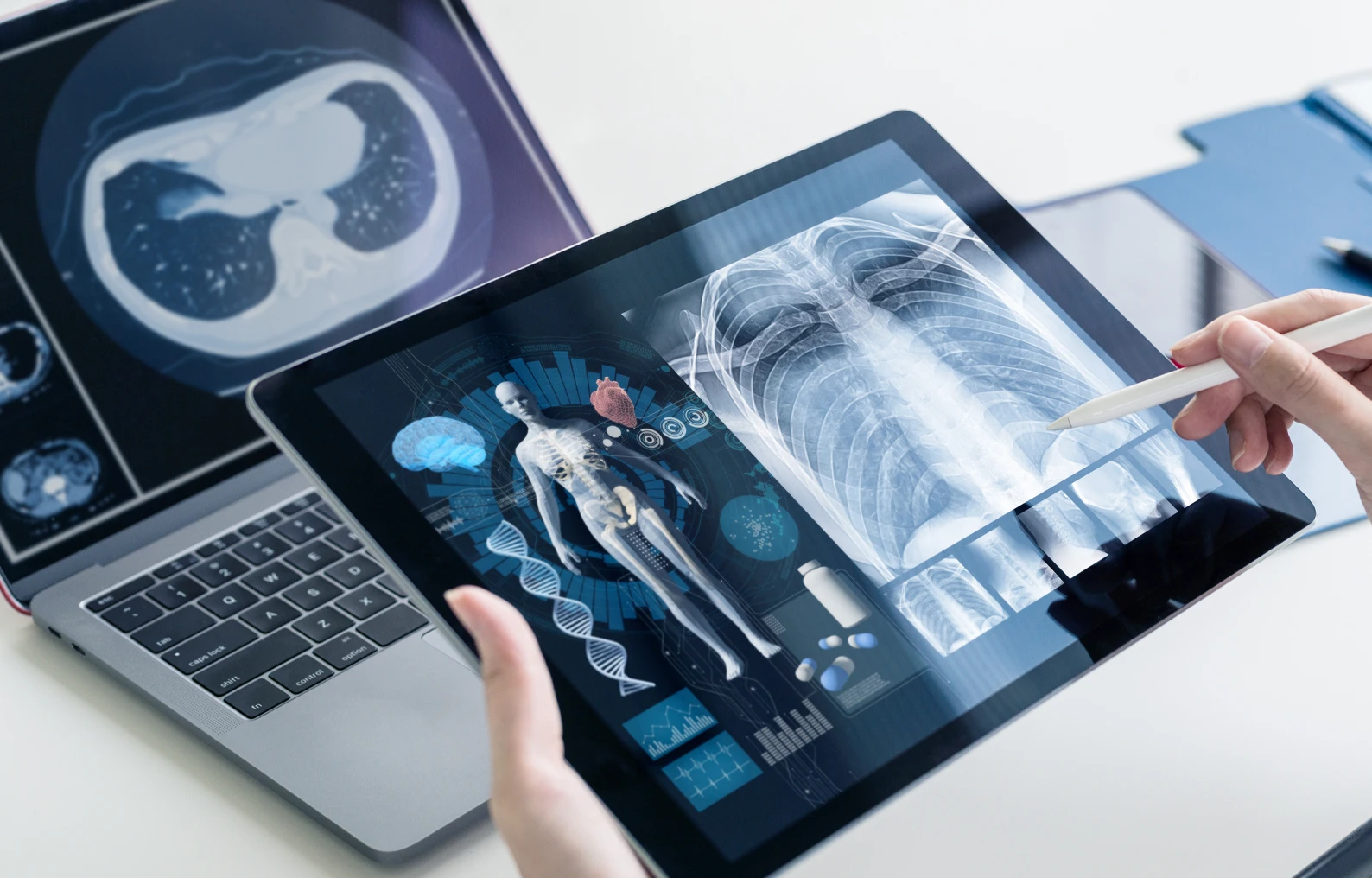
Hospitals never truly close. Nights, weekends, and holidays often present staffing challenges, especially in smaller or rural facilities. With dependable 24/7 teleradiology services, hospitals gain uninterrupted access to board-certified radiologists at any hour.
This continuous availability ensures imaging studies are interpreted promptly, reducing delays in diagnosis and treatment decisions. Around-the-clock support also prevents physician burnout by distributing workload more effectively.
In emergency departments, every minute matters. Rapid image interpretation can significantly affect outcomes in stroke, trauma, or internal bleeding cases.
Round-the-clock remote radiology services prioritize STAT and emergency cases, delivering quick, accurate reports. Faster turnaround times improve clinical workflows, help emergency physicians act decisively, and ultimately enhance patient care.
Not all hospitals have in-house subspecialty radiologists. Complex cases-such as neuroradiology, musculoskeletal imaging, or pediatric studies-often require specialized expertise.Through 24/7 teleradiology, hospitals gain access to subspecialists who provide precise interpretations regardless of location. This ensures high-quality diagnostic support without the expense of hiring multiple full-time specialists.
Recruiting and retaining full-time radiologists can be expensive, especially for smaller hospitals. Salaries, benefits, and on-call compensation add up quickly.Remote radiology services offer a scalable and cost-effective alternative. Hospitals can maintain high standards of diagnostic care without overextending budgets. This flexibility allows facilities to allocate resources more efficiently while still meeting patient needs.
Radiology departments often experience fluctuating imaging volumes. Peak hours can overwhelm in-house teams, while off-peak times may leave resources underutilized.By integrating reliable 24/7 teleradiology services, hospitals can balance workloads effectively. Overflow cases can be routed to remote radiologists, preventing bottlenecks and ensuring smoother operations. Efficient workflows reduce report backlogs and enhance overall department productivity.
Delayed diagnoses can lead to prolonged hospital stays and increased patient anxiety. Rapid imaging interpretation plays a key role in timely treatment decisions.With consistent round-the-clock radiology support, patients receive faster results and quicker care plans. Improved response times lead to better clinical outcomes, shorter hospital stays, and higher patient satisfaction scores.
Rural hospitals often struggle to recruit experienced radiologists, especially for night shifts or specialized imaging needs. Remote diagnostic services bridge this gap by connecting facilities to experienced radiologists nationwide.This access ensures that patients in underserved regions receive the same quality of care as those in larger metropolitan hospitals. Equal access to expert interpretations strengthens healthcare delivery across communities.
While the benefits of remote radiology are clear, selecting the right provider is crucial. Hospitals need partners that prioritize compliance, data security, rapid turnaround, and consistent report quality.
Trusted providers such as TopRad deliver dependable nationwide coverage with board certified teleradiology expertise. By aligning with experienced teams, hospitals can confidently manage imaging demands without compromising quality or compliance standards.
Healthcare environments are evolving rapidly, and hospitals must adapt to growing patient volumes, staffing challenges, and increasing expectations for fast results. Embracing 24/7 teleradiology services allows medical facilities to strengthen diagnostic capabilities while maintaining operational efficiency.
From continuous coverage and subspecialty access to cost savings and improved patient outcomes, the advantages are substantial. As more hospitals seek dependable, scalable solutions, remote radiology continues to play a critical role in modern healthcare delivery.
By investing in reliable 24/7 support, hospitals position themselves to deliver timely, accurate diagnoses-anytime, anywhere.
24/7 teleradiology remote teleradiology services teleradiology providers board certified teleradiology er teleradiology services


