Notifications

8 minutes, 21 seconds
-40 Views 0 Comments 0 Likes 0 Reviews
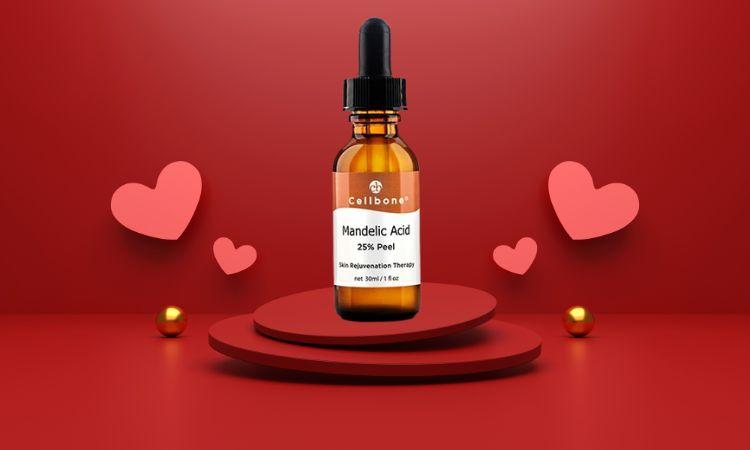
Harsh exfoliants ended up with redness, flaking, or breakouts that somehow got worse, a mandelic acid serum may be exactly what your routine has been missing. This gentle alpha hydroxy acid works differently than the usual acne fighters. It clears pores, smooths texture, and supports skin renewal without pushing sensitive or acne-prone skin over the edge. In this article, we’ll break down how mandelic acid works, who it’s best for, how to use it correctly, and how to pair it with the right products so you can treat acne without wrecking your skin barrier.
Mandelic acid comes from bitter almonds and has a larger molecular structure than popular acids like glycolic or lactic acid. That one detail changes everything. Because the molecules are bigger, mandelic acid penetrates the skin more slowly. This gives you exfoliation and pore-clearing benefits with far less irritation.
For acne-prone skin, especially adult acne or sensitive skin types, slower penetration is a good thing. It reduces the risk of inflammation while still helping unclog pores and remove dead skin cells that trap oil and bacteria.
Acne usually forms when oil, dead skin, and bacteria get stuck inside pores. Mandelic acid tackles this process at multiple points.
First, it gently exfoliates the surface of the skin, helping shed dead cells before they can clog pores. Second, it has antibacterial properties, which means it helps reduce acne-causing bacteria without the aggressive dryness caused by stronger treatments. Third, it supports cell turnover, which helps existing blemishes heal faster and reduces the chances of post-acne marks sticking around.
The result isn’t overnight perfection, but steady, visible improvement that doesn’t come with irritation.
This ingredient works well for a surprisingly wide range of people.
If you have sensitive skin that reacts easily, mandelic acid is often tolerated better than other exfoliating acids. If you’re dealing with hormonal or adult acne, it helps manage breakouts without stripping moisture. It’s also a smart choice for people with darker skin tones, since the slower action reduces the risk of post-inflammatory hyperpigmentation.
Even combination skin types benefit because mandelic acid balances oil without overdrying.
To understand where mandelic acid fits, it helps to compare it to other common exfoliants.
|
Acid Type |
Strength |
Irritation Risk |
Best For |
|
Mandelic Acid |
Mild |
Low |
Sensitive, adult acne |
|
Glycolic Acid |
Strong |
High |
Thick, resilient skin |
|
Salicylic Acid |
Moderate |
Medium |
Oily, congested skin |
Using a mandelic acid serum correctly makes all the difference. Most people do best applying it once a day at night, especially when starting out. Cleanse your face, apply the serum to dry skin, then follow with a moisturizer.
Avoid layering it with strong actives like retinoids or benzoyl peroxide in the same routine. This helps prevent irritation and gives your skin time to adjust. Sunscreen during the day is non-negotiable, since exfoliation increases sun sensitivity.
This is one of the most common questions people ask, and the honest answer matters. Mandelic acid works gradually.
In the first one to two weeks, many people notice smoother texture and fewer clogged pores. By weeks three to four, breakouts often become less frequent and heal faster. Over time, skin tone looks more even, and post-acne marks fade more consistently.
One reason mandelic acid works so well is that it doesn’t demand you sacrifice hydration. Still, pairing it with soothing products is key. This is where a lightweight moisturizer or skin hydration gel becomes important, especially mid-routine when your skin is adjusting.
Hydration supports healing, reduces irritation, and keeps your barrier intact. When your skin barrier is healthy, acne treatments work better and cause fewer side effects. This balance is often what people miss when their acne routines fail.
Yes, and that’s one of its biggest advantages. Because it’s gentle, mandelic acid can be used for months or even years as part of a maintenance routine. Many dermatologists recommend it for people who need ongoing exfoliation but can’t tolerate stronger acids.
You can also cycle it. Some people use it several nights a week and alternate with calming or hydrating routines to keep skin stable.
One common mistake is using too many exfoliants at once. Mandelic acid doesn’t need backup from scrubs or additional acids. Another mistake is skipping moisturizer because the serum “doesn’t feel drying.” Even gentle exfoliation needs hydration to work properly.
Finally, patience matters. Overusing it won’t speed results and often leads to irritation.
Clearing acne doesn’t have to mean harsh treatments or constant irritation. A mandelic acid serum offers a smarter, gentler approach that works with your skin instead of against it. By exfoliating slowly, calming inflammation, and supporting long-term skin balance, it helps reduce breakouts while keeping your barrier healthy. When paired with proper hydration and patience, mandelic acid proves that effective acne care doesn’t need to be aggressive to deliver real results.
It can help reduce inflammation and prevent clogged pores, but severe cystic acne may need professional treatment alongside it.
Most people can, but starting with every other night helps minimize irritation.
Some mild purging can occur, but it’s usually less intense than with stronger acids.
Yes, it’s one of the best exfoliating acids for sensitive or reactive skin.
Yes. Exfoliation increases sun sensitivity even when used only at night.


