Notifications

7 minutes, 4 seconds
-28 Views 0 Comments 0 Likes 0 Reviews
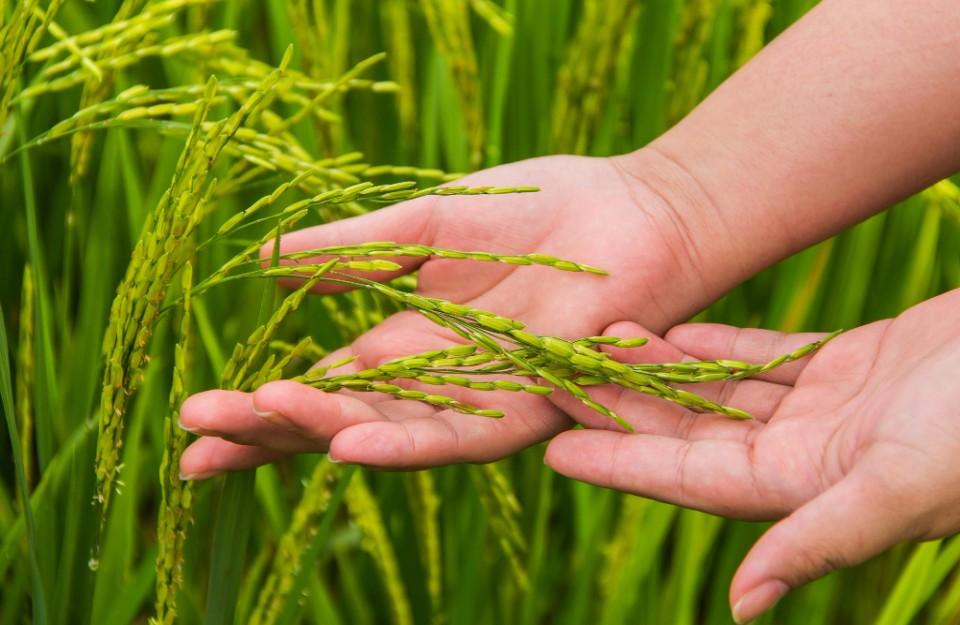
Wheat and rice are 2 types of crops that are mostly grown in India. These crops can be produced in different types of soils and climatic conditions. Almost every farmer wants their land to grow more crops, which can help them to recover their investment and generate more income.
Each state of India either grows wheat/rice or any one of them. Also, as the requirement for these crops is huge, the production should also be great. Go through this blog to understand the processes of how you can maximize the cultivation growth.
To get a healthy and suitable growth in Wheat and Rice crops, a farmer needs planning, good land, powerful farm machinery, nutrients, and water. In the sections below, you’ll learn about the agriculture process and ways to increase your crop production.
The basic step for growing staple crops, or any other crop, is preparing the land. To grow our staple crops, farmers should plough the land twice or thrice. Additionally, the ploughing of land in rice farming is so important. For the rice crops, the soil should be churned into a soft mud.
Once the wet ground is ploughed, then the step of levelling comes. Many of the farmers use the Mahindra 585 for soil preparation and levelling in the farms. This tractor not only helps in planting and seeding, but also in crop maintenance, tilling, spraying, harvesting, etc.
The seed’s quality always impacts the growth of the crops. So, at the time of selecting the seeds, ensure that they are certified by agencies/ Indian Minimum Seed Certification Standards (IMSCS). Additionally, pick the seeds that go with the type of climate of your area.
Names of the famous wheat seed varieties and rice seed varieties are given below:
Wheat Seeds’ Name: HD-2967, PBW-343, WH-1105
Rice Seeds’ Name: IR-64, MTU-1010, Pusa Basmati
Wheat is a Rabi crop sown in November/ December, and Rice is a Kharif crop sown in June to July. These crops can only be cultivated in these months. If a farmer delays, it will result in temperature stress, pests, and lower productivity. The benefits that early seeding gives to the wheat and rice crops are:
|
Benefits of Early Planting in Wheat |
Benefits of Early Planting in Rice |
|
Good Germination |
Longer Growth Duration |
|
Strong Root Development |
Better Nutrients Absorption |
|
Lower Pest and Disease Attack |
Good Tillering Capacity |
Irrigation is very essential after 20–25 days of sowing. Wheat needs a moderate amount of water. On the other hand, rice crops require more water. You can install an irrigation system as per your field’s length and breadth. The famous systems for these crops are Surface Irrigation (Rice), Border strip irrigation (wheat), Sprinkler irrigation (in sandy farms), etc.
Balanced nutrients can be get by supplying sufficient Nitrogen, Phosphorus, and Potassium to the crops. These nutrients are vital for both Rice and Wheat crops. Nitrogen supports leaf and tiller growth. Additionally, Phosphorus makes the stronger root, Potassium minimizes the chances of disease, and manure/ compost/ green manure keeps the soil fertile.
Manual weeding is a common practice performed by Indian farmers. The first phase of the weed removal should be in 20 to 25 days, and the next removal will be in 40–45 days. This process helps the field to get free from unwanted plants.
Other weeding tools for wheat and rice crops are the Cono weeder, rotary weeder, Mechanical weeders, and more.
The harvesting of crops is done according to their seasons and months. Rice gets harvested in September/ October, and April/ May are the best months for wheat crops. Rice is harvested when the crops attain 80 to 85% ripeness. Wheat is ready to harvest when the grains harden, and the crops turn golden.
The post-harvesting is the last procedure of the crops before selling. Farmers should follow all of these mandatory steps in post-harvest.
Harvested crops should be cleaned.
After cleaning the crops, dry it under the sun.
Store the crops in the right place, and save them from moisture damage
The role of Machinery carries the harvested crops from one place to another. Wheat and Rice are always produced in quintals. Thus, the Mahindra 585 is suitable for carrying more weight. The loading capacity of this tractor lies between 1,640 kg and 2,000 kg. Also, the Mahindra tractor price ranges from ₹6,99,031 to ₹7,29,205 in India, making it a suitable option for landowners.
Wheat and Rice crops are the important crops of India. Farmers can increase production and decrease crop losses with the adoption of the right practices and machinery. With the growing population, the mass production of these crops is profitable for farmers. The selling of wheat and rice crops is also not the major concern, because the government supports these crops in MSP.
Mahindra tractor price mahindra 585 Wheat farming rice farming


