Notifications

8 minutes, 14 seconds
-18 Views 0 Comments 0 Likes 0 Reviews
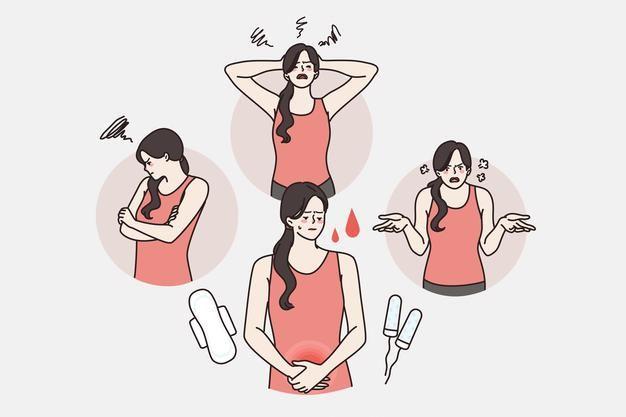
Dysmenorrhea, or period pain, is a condition that affects many menstruating women. Cramping of the lower abdomen is what it entails and may be accompanied by other discomforts such as backache, nausea, or weakness. The pain occurs mostly just before and during the menstrual phase. In some, it is not much, while in others, the pain can interfere with daily activity and routines. The pain is typically initiated by uterine cramps induced by prostaglandins—hormone-like substances formed in menstruation.
In severe or moderate menstrual pain, drugs have also been used to treat the condition. Tydol 100mg, with the active constituent Tapentadol, has been used as a tool for relieving such pain. It is a centrally acting analgesic that acts on the brain and spinal cord. Through its dual mechanism—mu-opioid receptor activation and norepinephrine reuptake inhibition—Tapentadol diminishes the intensity of the pain signal. With medical supervision, Tydol 100mg can offer good relief from over-the-counter unresponsive painkillers for menstrual cramps.
There are two general types of period pain identified: primary dysmenorrhea and secondary dysmenorrhea.
Primary dysmenorrhea is most often caused by regular hormone activity and begins within several years of beginning menstruation. There is no cause with these cases.
Secondary dysmenorrhea is most often caused by a reproductive disease such as endometriosis, fibroids, or pelvic inflammatory disease. It can also become worse and typically requires special medical care.
The root cause of period pain is thought to be excess production of prostaglandins. These chemicals cause uterine muscles to contract, resulting in cramping and discomfort. In secondary dysmenorrhea, structural abnormalities in the uterus or adjacent tissues cause the pain.
Syndromes common with menstrual pain include:
For more severe symptoms that fail to respond to normal pain relievers or last longer than the menstrual cycle, further evaluation is typically recommended to determine if there are any underlying conditions.
A diagnosis is made after one has taken into consideration the individual's symptoms, history, and menstrual history. A pelvic exam may be conducted, and imaging tests like ultrasounds may be used to identify causes that are structurally oriented. In some cases, laparoscopy may be advised in an effort to examine reproductive organs more closely. Laboratory tests and hormone level testing may also be conducted in a bid to rule out other causes.
There have been several ways to control and reduce period pain. The choice of treatment depends on the intensity of the pain and whether or not an underlying condition has been found.
1. Pain Relievers
Medications used to relieve pain, such as ibuprofen and naproxen, have been used to reduce prostaglandin production and ease pain. Where these medications fail, more intense prescription medications like Tydol 100mg (Tapentadol) are used. Tydol is an opioid painkiller and has been used to ease heavy to severe menstrual cramp pain by altering the way the nervous system transmits pain. It should be taken as instructed, and use is predominantly recommended for short-term improvement due to its potent action and the risk of dependency.
2. Hormonal Treatments
Birth control pills, patches, and hormone intrauterine devices (IUDs) have been used to inhibit or stop ovulation, therefore lowering the prostaglandin levels. This not only regulates menstrual pain but also regulates the menstrual cycle.
3. Heat Therapy
Apply heat to the lower abdomen using a heating pad or warm compress to increase blood flow and relax the muscles, leading to temporary relief from cramps.
4. Lifestyle Changes
Diet changes, exercise, and increased fluid intake have been shown to reduce the intensity of menstrual cramps. Omega-3 fatty foods, magnesium, and vitamins B1 and E are most helpful.
5. Yoga and Exercise
Gentle exercises and stretching routines have helped in relieving pain by improving the flow of blood and soothing the body. Yoga exercises that involve working on the pelvic area may help in relieving tension due to cramps.
6. Alternative Therapies
Others have utilized acupuncture, acupressure, or herbal supplements to alleviate pain. While there have been reported benefits, the therapies need to be employed cautiously and spoken about with a health care provider so that there is no interaction with other treatment.
Medical assistance is usually advised if the pain:
These may be signs of a more serious condition that requires medical evaluation and certain therapy.
Although period pain cannot always be totally prevented, its severity can be managed with regular self-care, healthy lifestyle practices, and proper medical care when the pain intensifies. Regular menstrual cycle monitoring, observing patterns of pain, and regular lines of communication with a health care provider can lead to better control of repeated episodes of pain.
Tydol 100mg has been used under the guidance of a doctor for acute pain attacks. However, these painkillers must never be administered daily or without a doctor's advice, as prolonged usage results in dependence, side effects, or reduced efficacy. Tapentadol, the active ingredient in Tydol, should be administered cautiously in patients with liver, kidney, or respiratory illnesses.
Menstrual cramping affects most individuals and can become a significant cause of interference with quality of life. It is caused by the usual processes in the body or, in other cases, by underlying illnesses. Though several palliatives to the pain—like warmth treatment, exercise, and hormone therapy—are accessible, medications like Tydol 100mg containing Tapentadol have come to the aid of patients with moderate to severe pain. Correct diagnosis, along with the right treatment program and adjustments to lifestyle, can reduce the disability of period pain and improve well-being.


