Notifications

11 minutes, 1 second
-15 Views 0 Comments 0 Likes 0 Reviews
For many individuals, the dream of a thick, full mustache can feel frustratingly out of reach. While some men are blessed with dense facial hair, others are left with patchy spots, thin growth, or a mustache that simply refuses to connect. Genetics often play the decisive role in determining where hair grows and how thick it appears. When traditional methods fail to deliver the desired density, a Beard Hair Transplant in Dubai specifically designed for the mustache area has emerged as a transformative solution. This procedure offers a permanent way to sculpt the perfect upper lip, restoring confidence and providing a look that feels entirely natural.
A beard hair transplant for the mustache is a specialized cosmetic procedure that involves relocating hair follicles from a donor site to the mustache area. The process is rooted in science and artistry, requiring a skilled approach to ensure the new hair grows in a direction that mimics natural mustache hair. The most common method used is Follicular Unit Extraction, where individual follicular units are harvested, typically from the back of the scalp. This area is chosen because the hair there is genetically resistant to shedding and shares similar growth characteristics with facial hair. Once extracted, these tiny grafts are meticulously implanted into the mustache region, with careful attention paid to the angle, direction, and density to create a result that blends seamlessly with any existing hair.
Before any grafts are placed, a significant amount of planning goes into the design phase. The shape of the mustache must complement the individual's facial features, lip shape, and overall style goals. Some may desire a classic, full chevron style that covers the entire upper lip, while others might prefer a more defined look that accentuates the cupid’s bow. The surgeon considers the natural growth patterns, ensuring that the transplanted hair will lie correctly and not stick out at odd angles. This artistic element is what separates a natural-looking result from one that appears obviously transplanted. The goal is always to enhance what is already there, filling in sparse areas to create a cohesive and full appearance.
Men who find themselves constantly frustrated by a patchy mustache or an inability to grow hair on the sides of the mouth are often excellent candidates for this procedure. It is particularly suited for those who have good donor hair density on the back or sides of the scalp. The health and quality of this donor hair are crucial, as it will determine the success of the transplant. Individuals who have experienced hair loss due to trauma, such as scars from accidents or burns in the mustache area, can also benefit greatly. Furthermore, those who have undergone previous cosmetic procedures or simply have genetic gaps that never filled in find that a transplant offers a permanent resolution. It is important for candidates to have realistic expectations about what the procedure can achieve, understanding that the goal is enhancement and density rather than an instantaneous, magical transformation.
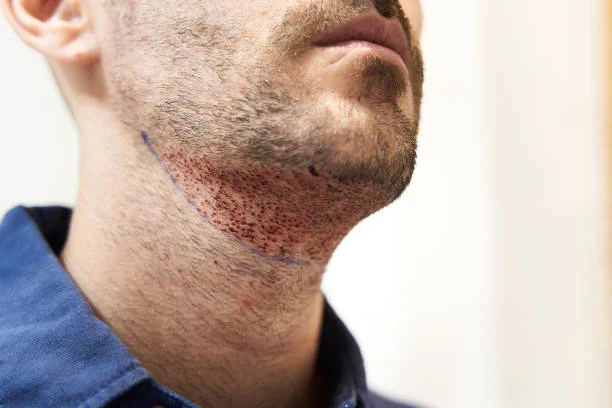
One of the most important aspects of undergoing a beard hair transplant is understanding the timeline of growth. Immediately after the procedure, the small grafts will be visible, and the area may appear red or have tiny scabs, which heal within a week or so. However, the transplanted hairs will shed within the first few weeks. This is a completely normal part of the process and can be alarming for those who are not prepared for it. The shedding phase makes way for new growth. Patients must then exercise patience, as it typically takes several months for the new hair to begin growing. Around the three to four-month mark, fine hairs will start to emerge. These hairs will gradually thicken and lengthen, with the final, mature results becoming visible anywhere from nine to twelve months after the procedure.
The day of the procedure is a carefully orchestrated process designed for comfort and precision. The donor area is first prepared, and the individual follicular units are extracted one by one. This process can take several hours, depending on the number of grafts required to achieve the desired fullness. Once a sufficient number of grafts have been collected, they are carefully sorted and preserved. The mustache area is then numbed, and the surgeon begins the process of creating tiny recipient sites. Each of these sites is strategically placed to accommodate a single graft. The implantation follows, with the surgical team placing each hair follicle into its new home with extreme care. The entire session is performed while the patient is awake but completely comfortable, often able to relax or listen to music throughout the day.
When the healing process is complete and the hair has fully grown in, the results are remarkably natural. Because the hair is the individual's own, taken from the back of the head, it will continue to grow just like normal hair. This means it can be shaved, trimmed, and styled exactly like a natural mustache. There is no discernible difference in texture or appearance between the transplanted hairs and the native facial hairs, as they blend together over time. The fullness achieved fills out the smile and frames the mouth in a way that enhances the overall appearance of the face. For many, this new look becomes a seamless part of their identity, boosting self-esteem in social and professional settings.
The duration of the procedure itself depends heavily on the number of grafts being transplanted. For a mustache, which may require several hundred to over a thousand grafts, the session can last anywhere from four to eight hours. This includes the time for extraction, site creation, and implantation. The overall journey, however, extends far beyond the procedure day, with the final aesthetic result revealing itself over the course of a full year.
When the healing is complete and the hair has grown in, the transplant is virtually undetectable. The artistry involved in placing the grafts ensures they follow the natural contours and growth patterns of the face. The hair is the individual's own, so it looks and behaves exactly like normal facial hair. Strangers would never suspect a procedure was done; they would simply see a well-groomed, full mustache.
The transplanted hair is permanent. The follicles are taken from the donor area, which is genetically programmed to continue growing hair for a lifetime. Once relocated to the mustache, they retain this genetic characteristic. While the hairs will go through the normal growth and shedding cycles, the follicles themselves remain active, ensuring the mustache maintains its fullness for years to come.
Yes, a beard hair transplant is an excellent solution for very sparse mustaches. Whether an individual has almost no hair or just a few patches, the procedure can add significant density. The surgeon will assess the area and determine the number of grafts needed to create a substantial difference. By densely packing the grafts into the sparse region, a full and natural-looking mustache can be achieved, transforming a barely-there look into a prominent feature.
Enfield Royal Clinic Dubai most individuals are able to return to work and their normal daily activities within a few days after the procedure. There is a short initial healing period where the tiny scabs around the grafts will be present, but these typically resolve within a week. While the face may look a bit red or feel tender initially, these minor effects fade quickly, allowing for a discreet recovery process.


