

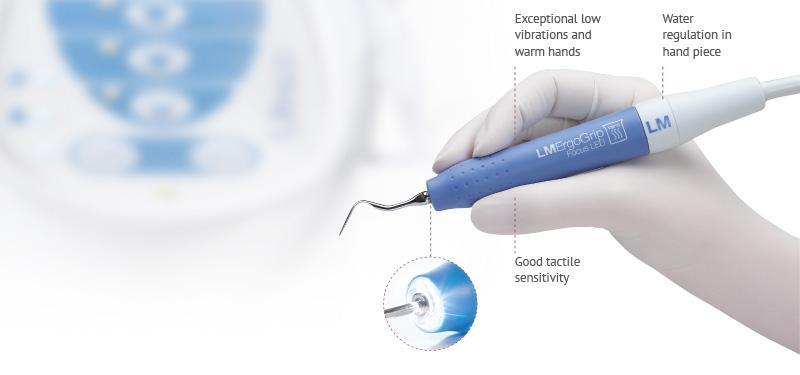
Maintaining oral hygiene is essential for healthy teeth and gums, and professional dental cleanings play a major role in preventing oral problems. One of the most commonly used tools during these cleanings is a dental scaler. This instrument helps dentists remove hardened plaque and tartar that regular brushing and flossing cannot eliminate. Because plaque buildup can lead to gum disease and tooth decay, the use of a dental scaler is a critical part of routine dental care.
Many dental professionals recommend regular cleanings to keep the mouth free from harmful bacteria. During these appointments, the dental scaler is used carefully to clean areas around the teeth and gums where plaque tends to accumulate. Dental experts and educational platforms like dental advice today often emphasize the importance of professional tools and techniques in maintaining long-term oral health.
How Does a Dental Scaler Help Remove Plaque and Tartar?
A dental scaler is designed to remove plaque and tartar deposits from the surfaces of teeth. Plaque is a soft, sticky film made of bacteria, while tartar is hardened plaque that attaches firmly to the teeth. Once plaque turns into tartar, it cannot be removed with a toothbrush alone. This is where the dental scaler becomes essential for effective cleaning.
Dentists use a dental scaler to carefully scrape away these hardened deposits without damaging the tooth enamel. Regular professional cleanings that involve the dental scaler help prevent gum inflammation and other oral health issues. Resources like dental advice today often highlight the importance of removing tartar regularly to maintain healthy gums and strong teeth.
What Makes the Dental Scaler Effective for Cleaning?
The design of the dental scaler allows dentists to reach small spaces between teeth and near the gumline. Its narrow and curved tip helps remove buildup from areas that are difficult to clean with ordinary dental tools. This precision makes the dental scaler highly effective during professional cleanings.
In addition to removing visible tartar, the dental scaler also helps clean below the gumline where bacteria may accumulate. By addressing these hidden areas, dentists can reduce the risk of gum disease and maintain healthier oral conditions for patients.
Why Is Professional Scaling Better Than Home Cleaning?
Although daily brushing and flossing are important, they cannot completely remove hardened tartar. A dental scaler used by a trained professional can safely remove these deposits without harming the teeth or gums. This professional technique provides a deeper level of cleaning than home care methods.
Many dental experts featured on dental advice today explain that regular professional scaling helps prevent long-term dental problems. By using specialized tools such as the dental scaler, dentists can maintain better oral hygiene and protect patients from more serious conditions.
Why Is Scaling Important for Gum Health?
Healthy gums are essential for supporting strong teeth, and professional scaling plays a key role in maintaining gum health. When plaque and tartar accumulate along the gumline, they can irritate the gum tissue and lead to inflammation. Using a dental scaler helps remove these irritants and supports healthier gums.
Scaling also helps prevent gingivitis, which is the early stage of gum disease. By removing bacteria and buildup with a dental scaler, dentists can reduce swelling, bleeding, and sensitivity in the gums. Educational platforms like dental advice today frequently emphasize scaling as a preventive step in maintaining oral health.
How Does Scaling Prevent Gum Disease?
Gum disease develops when bacteria accumulate around the gumline and begin to damage the surrounding tissue. A dental scaler helps eliminate these bacteria by removing the plaque and tartar that allow them to grow. This cleaning process helps stop gum disease from progressing.
Regular dental visits that include scaling with a dental scaler can significantly reduce the chances of developing periodontal disease. By maintaining clean tooth surfaces and healthy gum tissue, patients can protect their overall oral health.
What Signs Indicate the Need for Scaling?
Certain signs may suggest that a person needs professional scaling. Symptoms such as bleeding gums, persistent bad breath, and visible tartar buildup may indicate that plaque has hardened around the teeth. In these situations, a dentist may recommend cleaning with a dental scaler.
Dental professionals often encourage patients to pay attention to these warning signs. According to insights shared through dental advice today, early intervention with professional scaling can prevent more serious dental problems from developing.
How Do Dentists Use a Dental Scaler During Cleanings?
During a professional cleaning, the dentist or dental hygienist carefully uses a dental scaler to remove plaque and tartar from the teeth. The process involves gently scraping the surface of the teeth while paying close attention to areas near the gumline. This step ensures that harmful buildup is removed effectively.
The dental scaler may be used alongside other tools to complete the cleaning process. After scaling, dentists often polish the teeth to remove stains and smooth the enamel surface. This combination of techniques helps maintain a clean and healthy mouth.
Are There Different Types of Dental Scalers?
There are several types of dental scalers used in modern dentistry. Some are manual tools with small curved tips, while others use ultrasonic technology that vibrates to break up tartar. Both types of dental scaler tools are designed to remove buildup effectively.
The choice of instrument depends on the patient’s oral condition and the dentist’s preference. Regardless of the type used, the dental scaler remains one of the most important tools in professional dental care.
What Should Patients Expect After Scaling?
After a cleaning session that includes the dental scaler, patients may notice that their teeth feel smoother and cleaner. Some individuals may experience mild sensitivity, especially if there was significant tartar buildup before the procedure.
Dentists often advise patients to continue maintaining good oral hygiene after scaling. Regular brushing, flossing, and routine dental visits help preserve the results of the dental scaler treatment and support long-term oral health.
Final Thoughts
Professional dental cleanings are an important part of maintaining strong teeth and healthy gums. The dental scaler plays a vital role in removing plaque and tartar that cannot be eliminated through daily brushing alone. By addressing buildup around the teeth and gumline, dentists can help prevent gum disease and other oral health problems.
Conclusion
The use of a dental scaler during professional cleanings ensures that teeth remain free from harmful deposits and bacteria. This specialized tool allows dentists to perform deep cleaning procedures that protect both teeth and gums. Regular dental visits, proper oral hygiene, and guidance from trusted resources like dental advice today can help individuals maintain healthier smiles for years to come.


