Notifications

7 minutes, 47 seconds
-30 Views 0 Comments 1 Like 0 Reviews
When about to source line pipe intended to be used in oil, gas, or infrastructure projects, you will see X65 Pipe and X52 Pipe once again. The API 5L standard of piping systems offers two choices of high-performance pipelines; however, the choice is not limited to the strength. It is also important to choose the proper supplier and specifications that will suit your needs. This guide will ensure that you get to know all you desire to know in a fast and practical manner.
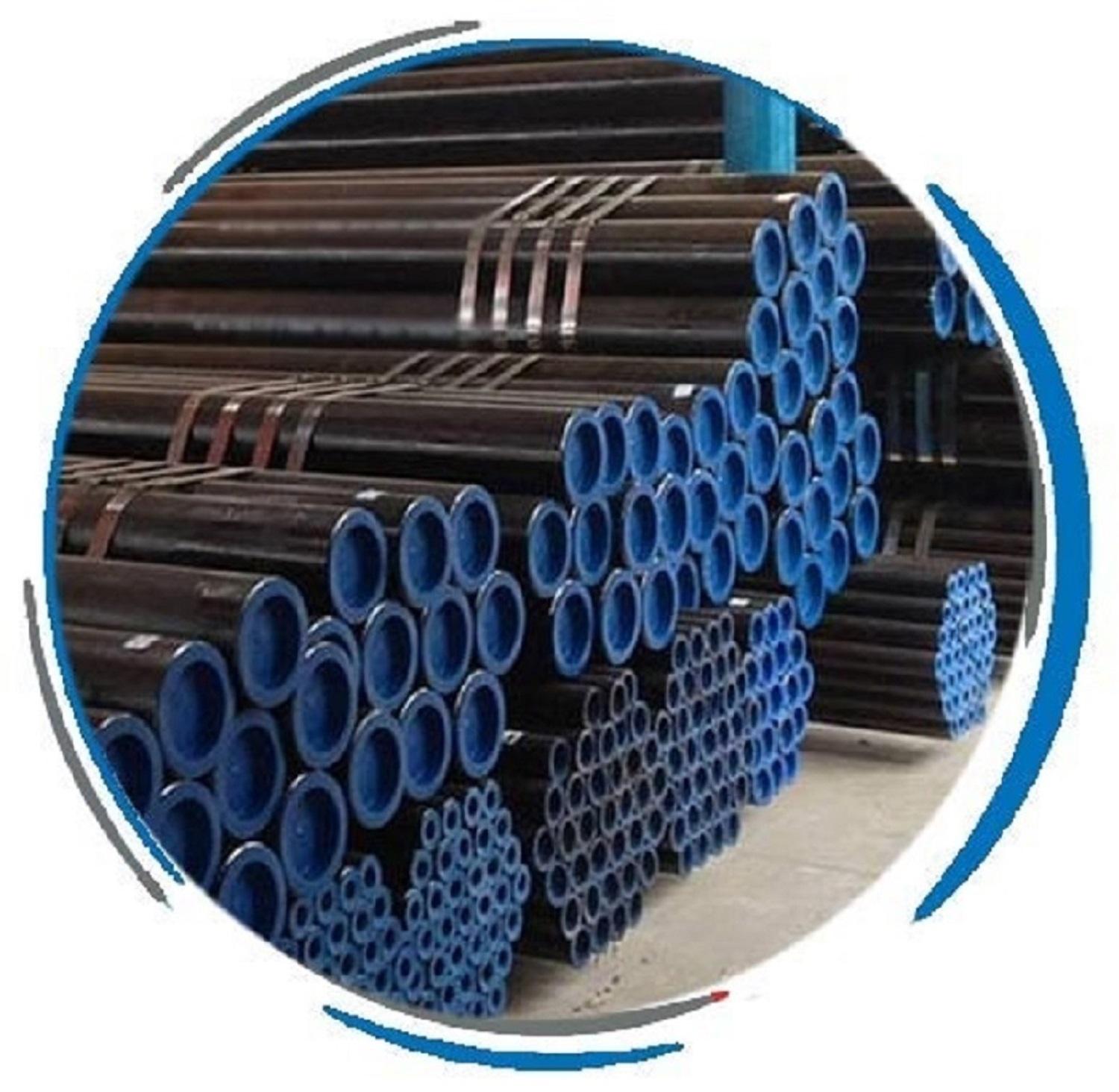
X65 Pipe and X52 Pipe are constructed of high-strength line pipes of high strength manufactured under API 5L specification using carbon steel. These figures (65 and 52) indicate the lowest yield strength in ksi. When you are picking X65 Pipe, you are picking a stronger material than X52 Pipe.
In simple terms:
X52 Pipe offers reliable performance for standard pressure and general pipeline work.
X65 Pipe is designed for higher pressure, longer distances, and more demanding service conditions.

If your project requires higher load capacity and better pressure handling, you will naturally look at X65 Pipe first.
In examining the X65 Pipe specifications, it is important to consider three key considerations, namely, 1) mechanical / strength properties, 2) chemical/composition, and 3) manufacturing / process.
Typical API 5L X65 Pipe specifications include:
Minimum yield strength: 65,000 psi
High tensile strength for pressure-critical systems
Controlled chemical composition for improved weldability
Available in PSL1 and PSL2 grades
Supplied in seamless, ERW, LSAW, and SSAW forms
X65 Pipe is usually preferred when your pipeline must handle:
Higher internal pressure
Longer pipeline routes
More complex installation environments
Because of its strength-to-weight ratio, you can often reduce wall thickness compared to lower grades without compromising safety.
X52 Pipe specifications are slightly lower in strength but still fully suitable for many industrial and energy projects.
Common features of X52 Pipe include:
Minimum yield strength: 52,000 psi
Good ductility and toughness
Excellent weldability
Available in API 5L PSL1 and PSL2
In the event that your pipeline system is not demanding a very high pressure resistance, X52 Pipe can be a cheaper alternative, which does not sacrifice reliability. X52 Pipe is the initial option for many contractors in medium-pressure transmission lines and utility networks.

Understanding the actual applications helps you avoid over-specifying or under-specifying your material.
You typically use X65 Pipe for:
High-pressure oil and gas transmission pipelines
Long-distance cross-country pipeline projects
Offshore and onshore energy infrastructure
Critical gathering and trunk lines
When safety margins and operating pressures are high, X65 Pipe gives you the mechanical confidence your design requires.
X52 Pipe is commonly used in:
Water transmission pipelines
Natural gas distribution systems
Industrial process pipelines
Structural and mechanical pipeline uses
If your operating pressure is moderate and the environment is less severe, X52 Pipe delivers consistent performance at a more controlled cost.
Before you decide, ask yourself a few practical questions:
What is your operating pressure?
Is the pipeline long-distance or localized?
Are there regulatory or project owner requirements?
Do you need extra safety margins?
Choose X65 Pipe if:
Your project involves high pressure and long transmission routes.
You need higher yield strength and design efficiency.
Choose X52 Pipe if:
Your pipeline operates under moderate pressure.
Budget optimization is important without compromising compliance.
In short, X65 Pipe is performance-driven, while X52 Pipe is value-driven.
Choosing the right supplier is just as important as selecting the right grade.
When you are evaluating X65 Pipe suppliers or X52 Pipe suppliers, follow this simple checklist.
Always confirm that the supplier has given an authentic certification of API 5L in X65 Pipe, as well as in X52 Pipe. You are to request mill test certificates (MTCs) and traceability.
A reliable supplier should offer multiple production types, such as:
Seamless
ERW
LSAW
SSAW
This flexibility allows you to match the correct pipe type with your project design.
Good X65 Pipe suppliers and X52 Pipe suppliers perform:
Hydrostatic testing
Ultrasonic testing
Chemical and mechanical verification
Dimensional inspection
Consistent quality checks protect you from costly site failures.
You are supposed to deal with a supplier who is aware of the timelines of projects, exportation records, and packaging regulations. It is particularly essential in the case of international pipeline projects.
The best suppliers who are the most helpful will make you choose between X65 Pipe and X52 Pipe, not only in terms of price but also in terms of the real work. Good technical advice usually saves costs at the level of design and installation.
Choosing between X65 Pipe and X52 Pipe is a technical choice when you are planning a pipeline project, and this choice directly influences what will happen in terms of performance, safety, and the long-term operating cost. X65 Pipe is also stronger and suited to challenging and high-pressure conditions. X52 Pipe is reliable and economical when it comes to normal transmission and industrial applications. When you clearly define your specs, uses, and suppliers, you can surely choose the appropriate grade and supplier to work with on your project without taking a risk that you do not need and spending too much.


