Notifications

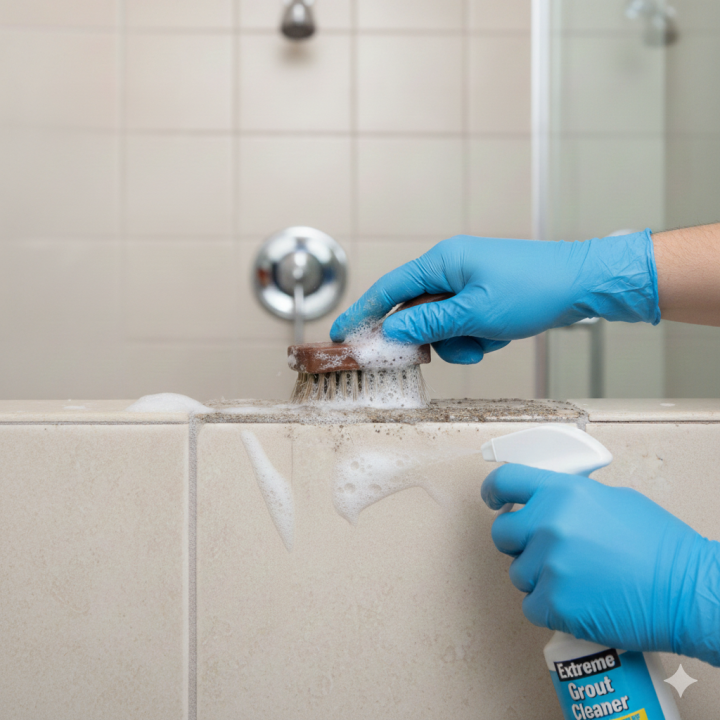
Grout often becomes one of the dirtiest parts of any kitchen or bathroom. Over time, it absorbs grease, soap, moisture, and dirt. This is especially true around the kitchen sink, where constant use causes buildup that regular cleaning cannot remove. The good news is that even heavily stained grout can be restored with the right techniques and a little patience.
Grout is naturally porous, which means it easily absorbs liquids and grime. Every time water, soap, or grease touches it, a small amount gets trapped inside. Over time, this builds up and causes discoloration.
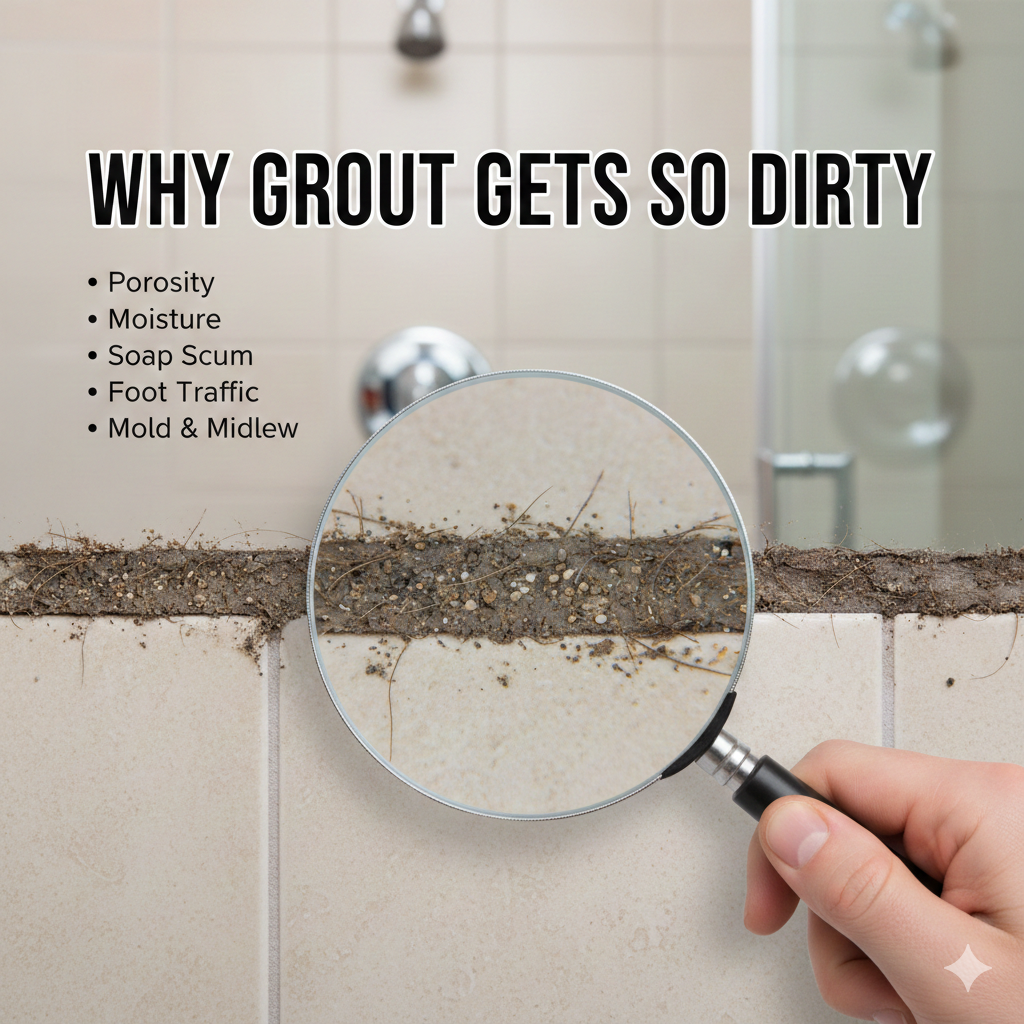
In kitchens, grout becomes dirty faster because of food splashes, oils, and constant moisture. Around the sink area, grease and water mix together, creating stubborn stains that are harder to clean than regular dirt.
Before starting, it is important to gather the right tools. Using proper tools makes the process easier and more effective.
A stiff-bristle brush or an old toothbrush is essential for scrubbing grout lines. Microfiber cloths help wipe away residue without spreading dirt. A spray bottle is useful for applying cleaning solutions evenly. You will also need basic cleaning ingredients such as baking soda, vinegar, hydrogen peroxide, and dish soap.
For very dirty grout, stronger tools like a steam cleaner or a commercial grout cleaner may be needed.
Cleaning grout requires a step-by-step approach. Skipping steps can make the process less effective.
Start by cleaning the surface area. Sweep or vacuum to remove dust and debris. This step prevents dirt from turning into a muddy mess when liquid cleaners are applied.
Baking soda is one of the most effective natural cleaners for grout. Mix baking soda with a small amount of water until it forms a thick paste. Apply this paste directly onto the grout lines and allow it to sit for about 10 to 15 minutes. This helps loosen dirt trapped inside the grout.
After applying the baking soda paste, spray vinegar over the grout. The mixture will fizz, which helps break down stubborn grime and stains. Let it sit for a few minutes so it can work properly.
However, vinegar should not be used on natural stone tiles such as marble or granite, as it can cause damage.
Use a brush to scrub the grout lines thoroughly. Work in small circular motions and focus on the darkest areas. This step is where most of the dirt will come out, so take your time.
After scrubbing, rinse the area with warm water. Wipe it clean with a microfiber cloth to remove any leftover residue. At this point, you should notice a big improvement in the grout’s appearance.
Step 6: Repeat if Necessary
For very dirty grout, one cleaning may not be enough. Repeat the process on heavily stained areas until the grout looks clean.
Grout around the kitchen sink tends to collect grease and food particles, making it more difficult to clean than other areas.
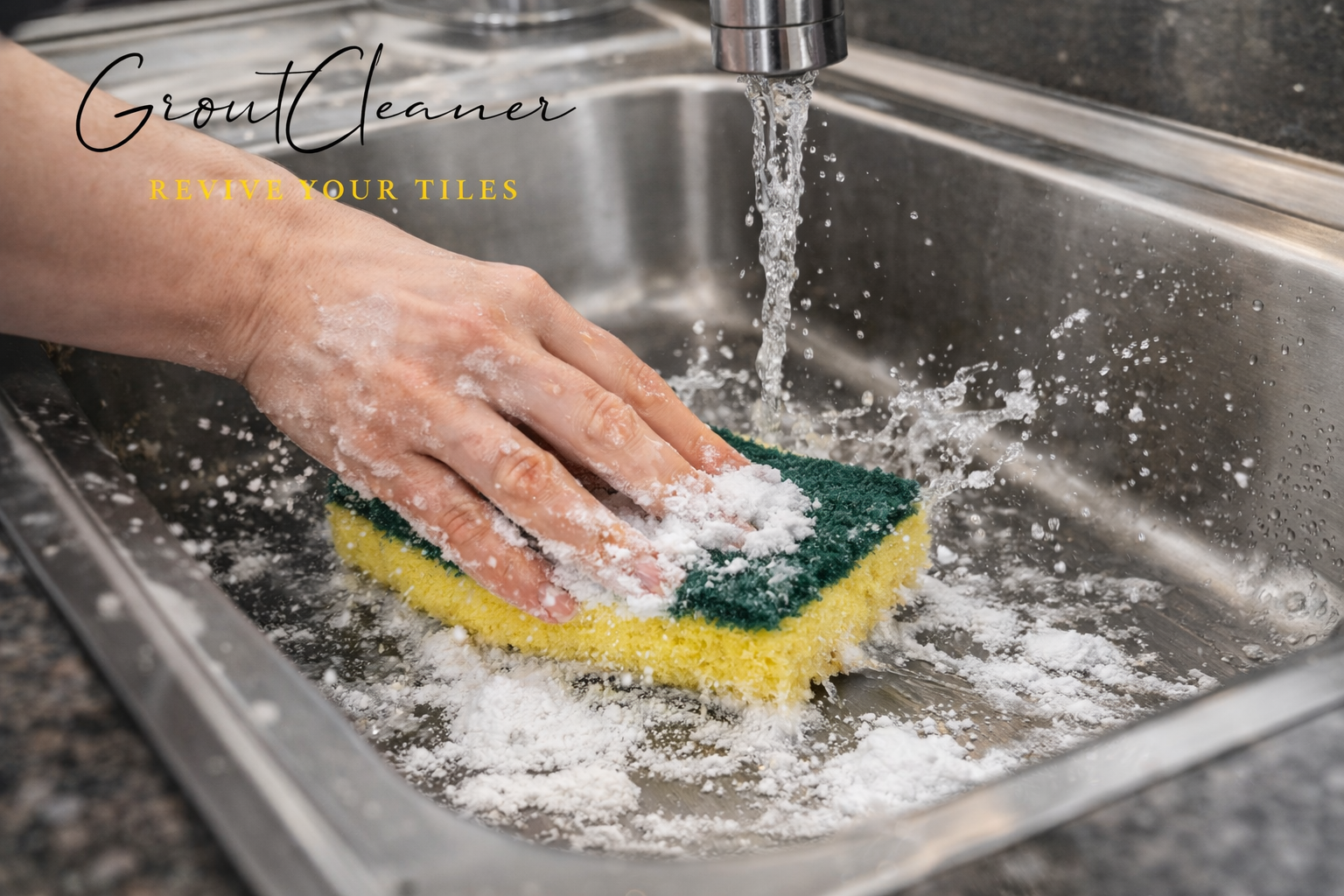
Before using baking soda, it is helpful to remove grease first. A mixture of dish soap and warm water works well for breaking down oily residue. Scrub the grout lightly and rinse before moving on to deeper cleaning.
Hydrogen peroxide is another effective cleaner for kitchen grout. When mixed with baking soda, it creates a powerful solution that helps whiten grout and remove stains. Apply the mixture, let it sit, and then scrub and rinse.
If you notice black spots, it could be mold or mildew. In this case, hydrogen peroxide or a mild bleach solution can help kill bacteria and remove discoloration.
While homemade solutions work well, sometimes grout is too dirty and requires stronger cleaning products.
There are different types of grout cleaners available. Oxygen bleach cleaners are safe and effective for deep cleaning without being too harsh. Alkaline cleaners are ideal for kitchen areas because they break down grease and oil. Acidic cleaners are useful for removing hard water stains, but they must be used carefully.
When choosing a grout cleaner, it is important to select one that is safe for your tile type and suitable for indoor use. Always test a small area before applying it to the entire surface.
If regular cleaning does not work, deeper cleaning methods may be required.
Steam cleaning is one of the most effective ways to clean grout. It uses high heat to loosen dirt and kill bacteria without using chemicals. This makes it a great option for people who prefer natural cleaning methods.
Another option is using oxygen bleach. Mix it with warm water and apply it to the grout. Let it sit for a longer period, then scrub and rinse. This method works well for deeply stained grout.
For grout that remains discolored even after cleaning, a grout pen can be used to restore its color. This is not a cleaning method, but it can make grout look new again.
Once your grout is clean, it is important to maintain it. Without regular care, dirt will build up again quickly.
Applying a grout sealer is one of the best ways to protect grout. It creates a barrier that prevents moisture and stains from soaking in. Sealing should be done every few months for best results.
Regular cleaning also helps. Wiping tiles and grout weekly can prevent buildup. Keeping the area dry, especially around the kitchen sink, reduces the chances of mold and stains forming.
Many people make mistakes when cleaning grout, which can damage it or make cleaning less effective.
Using too much bleach can weaken grout over time and cause discoloration. It should only be used when necessary. Not rinsing properly can leave residue behind, which attracts more dirt. Using metal brushes can scratch and damage grout, so softer brushes are recommended.
Ignoring regular cleaning is another common mistake. Waiting until grout becomes extremely dirty makes the cleaning process much harder.
The most effective method is to use a baking soda paste followed by vinegar or hydrogen peroxide. Scrubbing and rinsing thoroughly helps remove deep stains.
What is the best homemade grout cleaner?
A mixture of baking soda and hydrogen peroxide works very well. It removes stains and brightens grout without harsh chemicals.
Can bleach be used on grout?
Bleach can be used, but it should be limited. Overuse can damage grout and weaken its structure.
How do you clean grout around the kitchen sink?
Start by removing grease with dish soap. Then use baking soda and hydrogen peroxide for deep cleaning. Scrub well and rinse.
Does vinegar damage grout?
Vinegar can weaken grout over time if used frequently. It should be used carefully and avoided on natural stone surfaces.
How often should grout be cleaned?
Light cleaning should be done weekly, while deep cleaning can be done every one to three months.
Cleaning really dirty grout may take time, but it is not impossible. With the right approach, even heavily stained grout can be restored. Areas like the kitchen sink need extra attention because they collect grease and moisture quickly. Regular maintenance and proper cleaning methods can keep grout looking clean and fresh for a long time.