Notifications

9 minutes, 33 seconds
-296 Views 0 Comments 0 Likes 0 Reviews
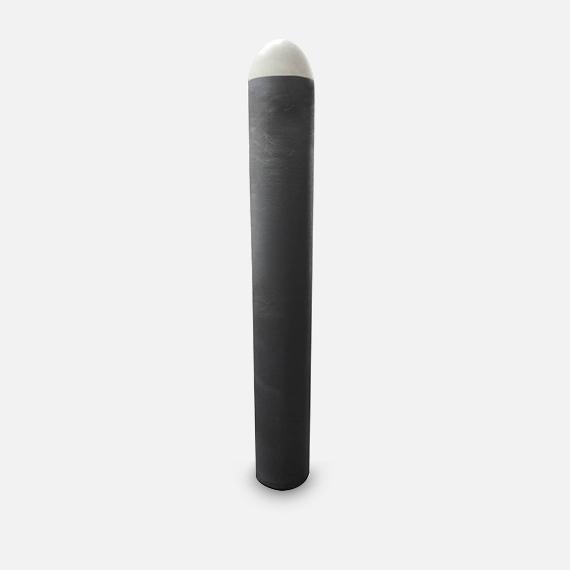
The monoblock stopper rod is a critical flow-control refractory component used in modern continuous casting operations. Installed in the tundish, it regulates molten steel flow into the submerged entry nozzle (SEN) by precise vertical movement. Compared with traditional multi-piece stopper systems, monoblock stopper rods offer advantages such as improved structural integrity, better sealing performance, and more stable casting control.
 tundish Stopper
However, cracking of monoblock stopper rods remains one of the most common and serious operational problems. Cracks can lead to premature failure, unstable flow control, steel leakage, casting interruptions, and even major safety incidents. As casting speeds increase and steel cleanliness requirements become more stringent, preventing stopper rod cracking has become a key concern for steelmakers and refractory engineers.
This article provides a comprehensive analysis of why monoblock stopper rods crack and, more importantly, how to avoid cracking through proper design, material selection, manufacturing control, installation, and operation.
A monoblock stopper rod is typically composed of:
Unlike assembled stopper rods, the monoblock design integrates these elements into a single refractory body, which reduces joint-related failures but increases sensitivity to internal stresses.
During operation, the monoblock stopper rod is exposed to:
These extreme conditions make the stopper rod highly susceptible to cracking if not properly designed or handled.
Understanding crack types helps identify preventive strategies.
Most monoblock stopper rods use Al₂O₃–C or MgO–C materials, because carbon:
However, excessive carbon can increase oxidation risk, so balance is essential.
To prevent carbon oxidation, effective antioxidants should be added, such as:
A well-designed antioxidant system reduces decarburization, which otherwise leads to embrittlement and cracking.
Advanced stopper rods use graded compositions, such as:
This reduces thermal mismatch and internal stress concentration.
Poor-quality raw materials introduce defects that act as crack initiation sites. Strict control is required for:
Non-uniform mixing leads to localized stress zones. Best practices include:
Inadequate drying is a major cause of cracking. Moisture trapped inside the stopper rod can expand violently during preheating.
Key measures:
Sharp corners, abrupt section changes, and sudden diameter transitions should be avoided. Smooth geometry helps:
When zirconia or alumina inserts are used at the stopper head:
Poor insert design is a common cause of radial cracking.
The area near the steel connection experiences high mechanical stress. Reinforcement strategies include:
Monoblock stopper rods are large and heavy. Cracking often occurs before installation due to:
Soft padding, dedicated lifting tools, and strict handling procedures are essential.
Misalignment between the stopper rod and SEN leads to uneven load and localized stress. Correct installation ensures:
 tundish stopper rod
Rapid heating is one of the main causes of stopper rod cracking. Proper preheating should:
Temperature gradients must be minimized.
Repeated opening, closing, and exposure to air can cause thermal fatigue. Operational best practices include:
Highly oxidizing slags accelerate refractory degradation. Control measures include:
Argon purging near the stopper head can:
This indirectly helps reduce chemical-induced cracking.
Regular inspection helps detect early crack formation:
Data-driven analysis of stopper rod life helps optimize future designs and operating parameters.
Cracking of monoblock stopper rods is not caused by a single factor, but by a combination of material, design, manufacturing, installation, and operational influences. Avoiding cracks requires a systematic approach covering the entire lifecycle of the stopper rod.
By integrating these measures, steel plants can significantly extend monoblock stopper rod service life, improve casting stability, reduce downtime, and enhance overall operational safety.
Functional Refractory Items In The Tundish
Tips You Shuold Know About The Tundish Metering Nozzle
Introduction To The Fast Change Mechanism Of Tundish Metering Nozzle


