Notifications

8 minutes, 55 seconds
-20 Views 0 Comments 0 Likes 0 Reviews
The concept of the accent wall has evolved considerably from its origins as a single wall painted a contrasting color. Today's most striking interiors use architectural detailing to create focal points that draw the eye and anchor room design. Accent wall molding kits have emerged as the premier tool for this purpose, enabling homeowners to transform a single wall into a statement piece without undertaking full-room renovations. Unlike full wall treatments that wrap entire spaces, accent walls concentrate visual interest where it matters most—behind a bed, surrounding a fireplace, framing a media console. This targeted approach delivers maximum impact for minimum investment, both in materials and installation effort. The result is a room with a clear visual anchor, designed with intention and executed with precision.
The strategic advantage of focusing molding on a single wall rather than an entire room extends beyond obvious material savings. An accent wall creates natural hierarchy in spaces that might otherwise feel visually chaotic. It provides a backdrop that defines furniture placement—the bed aligns with the treated wall, the sofa faces it, the dining table centers on it. This organizing principle brings coherence to rooms where multiple functions compete for attention. From a practical standpoint, accent walls require less time to install, making them achievable weekend projects even for beginners. They also allow experimentation with bolder designs than would be comfortable throughout an entire room—intricate patterns, dramatic colors, or unusual layouts become exciting rather than overwhelming when confined to a single wall.
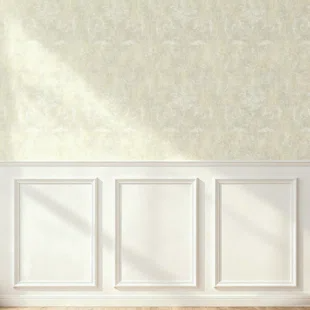
The design flexibility of accent wall molding kits opens creative possibilities limited only by imagination. Classic grid patterns create orderly sophistication suitable for formal living spaces or home offices. Asymmetrical arrangements bring contemporary edge to modern interiors, with panels of varying sizes arranged in visually dynamic compositions. Floor-to-ceiling treatments draw the eye upward, emphasizing room height and creating gallery-like presence. Partial walls, with molding covering only a portion of the surface, establish clear zones within open floor plans. Arched or curved designs soften the geometry of rectangular rooms. Some homeowners combine multiple approaches—perhaps a grid pattern on the lower portion with a bold color above, or panels interspersed with wall-mounted lighting. The accent wall becomes a canvas for personal expression.
Choosing an appropriate accent wall kit involves considering both the room's dimensions and its design context. Wall size determines appropriate scale—large walls can accommodate bold patterns and substantial panels, while smaller walls benefit from more delicate treatments that won't overwhelm. Ceiling height influences vertical proportions; taller rooms allow for more panels or elongated shapes, while standard eight-foot ceilings may call for designs that emphasize horizontal lines. The room's existing style should inform profile selection—traditional homes suit classical moldings with ornamental details, while contemporary spaces pair well with clean, minimalist profiles. Color considerations also factor into kit selection; some homeowners prefer molding that matches the wall for subtle texture, while others plan contrast that makes the pattern pop. Taking measurements and considering these factors before purchase ensures satisfaction with the final result.
Installing an accent wall kit follows the same basic principles as full-room installations but benefits from reduced scope and complexity. The process begins with wall preparation—cleaning, smoothing, and marking layout lines according to the kit's specifications. With only one wall to consider, layout decisions become simpler; centering the pattern on the wall and balancing it visually takes priority over coordinating with adjacent surfaces. Components install sequentially, typically starting with the outer frame and filling with interior elements. The concentrated work area means less moving of furniture and fewer interruptions. Most accent wall installations complete within a single day, offering immediate gratification that full-room projects cannot match. This efficiency makes accent walls particularly appealing for those new to molding installation or those seeking quick transformations.
The materials used in accent wall kits should balance appearance, durability, and ease of installation. High-density polyurethane offers excellent detail reproduction and accepts paint beautifully, making it ideal for walls that will be viewed up close. Its lightweight nature simplifies handling during installation, particularly important for wall-mounted applications. Some kits use flexible materials that conform to slight wall irregularities, ensuring tight fit against surfaces that may not be perfectly flat. The factory primer on quality kits provides a consistent base for whatever paint color you choose, whether matching the wall or providing contrast. For accent walls that will experience more contact—perhaps behind a bed or in a hallway—impact resistance becomes an additional consideration, favoring denser materials that resist dings from accidental bumps.
The relationship between molding color and wall color fundamentally determines the visual effect of your accent wall. Monochromatic schemes, where molding shares the wall color, create subtle texture that reads as sophisticated depth rather than obvious pattern. This approach works beautifully in serene spaces like bedrooms or in modern interiors where understatement reigns. Contrasting schemes, with white or light molding against darker walls, dramatize the pattern and create graphic definition that energizes rooms. For truly bold statements, consider painting molding in metallic finishes or saturated colors that draw immediate attention. Two-tone approaches, with field and molding in different but coordinated colors, add complexity that rewards close viewing. Testing color combinations on sample boards before committing to the full wall prevents disappointment and ensures the final result achieves your vision.
A successful accent wall doesn't exist in isolation but rather participates in the broader conversation of room design. The wall's pattern and scale should relate to other architectural elements—perhaps echoing window divisions, complementing fireplace proportions, or referencing furniture shapes. Lighting deserves particular consideration; well-placed fixtures can dramatize the molding's shadows, while poor lighting can flatten even the most beautiful installation. Artwork and mirrors interact with the molding pattern, either aligning with panel divisions or intentionally crossing them for dynamic effect. Furniture placement should acknowledge the accent wall as a focal point, with pieces oriented to face or frame it. When all these elements work together, the accent wall molding kit wall fulfills its purpose—not as a standalone decoration but as an integral component of a thoughtfully designed space.


