Notifications

17 minutes, 24 seconds
-71 Views 0 Comments 0 Likes 0 Reviews
Urban spaces are growing fast, but available parking is shrinking even faster. In residential towers, commercial buildings, malls, offices, hospitals, and mixed-use developments, parking has become a daily challenge. A stack parking system offers a smart, practical, and space-saving answer to this issue. It helps property owners, developers, and facility managers maximize parking capacity without needing to acquire additional land or expand horizontally.
A well-designed stack parking solution is not just about fitting more cars into a smaller footprint. It is about improving accessibility, reducing traffic inside premises, increasing property value, and creating an organized parking environment. Whether for new construction or parking upgrades in existing buildings, stack parking is now one of the most efficient and in-demand systems in modern infrastructure planning.
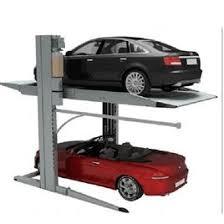
A stack parking system is a mechanical parking arrangement that allows multiple vehicles to be parked vertically in the same ground area. Instead of occupying side-by-side spaces alone, cars are placed on platforms that move up or down, making room for more vehicles in limited space. This system is especially useful where land is expensive and every square foot matters for utility and planning.
The main purpose of stack parking is to solve the parking shortage without increasing the built-up area. It works by using vertical stacking technology that helps accommodate more vehicles than traditional parking methods. This makes it a preferred choice for urban apartments, office complexes, hospitals, hotels, retail developments, and institutional campuses where efficient space planning is a major requirement.
In growing cities, parking problems are no longer limited to commercial hubs alone. Residential societies, corporate campuses, educational institutions, and healthcare facilities are also facing space pressure. A stack parking system addresses this issue by offering structured vehicle storage that reduces congestion and improves traffic movement. It helps maintain order while supporting the increasing number of personal vehicles entering urban spaces every year.
The demand for stack parking solutions has increased because developers and property owners now understand that parking directly affects user experience. A building with poor parking planning creates inconvenience, delays, and frustration. On the other hand, a smart parking setup improves functionality and adds value to the overall project. This is why mechanical car parking systems, multi-level parking systems, and car stack parking systems are seeing strong demand.
A stack parking system works through mechanical or electro-hydraulic platforms that lift and lower vehicles vertically. Depending on the model, one or more cars can be parked above another car within the same parking bay. The user parks the car on a designated platform, and the system lifts it to create parking space below or above. This process is smooth, controlled, and designed for practical daily use.
Modern stack parking solutions are engineered for reliability, ease of operation, and safety. Most systems are built with sensors, locking devices, anti-fall mechanisms, emergency controls, and user-friendly operating panels. These features ensure safe vehicle movement while reducing the risk of manual parking damage. With proper design and installation, stack parking becomes a highly dependable option for properties that need more capacity without structural expansion.
There are different types of stack parking solutions available based on space, vehicle volume, and site requirements. The most common are 2-level stack parking systems, 3-level stack parking systems, and pit-based stack parking arrangements. Each type is designed to meet a different parking challenge. The right selection depends on building design, parking demand, ceiling height, entry-exit flow, and operational convenience.
A 2-post stack parking system is ideal for smaller spaces and moderate parking needs, while a multi-level stack parking system is better suited for commercial and high-density residential projects. Pit stack parking is often chosen when height restrictions exist, as part of the vehicle parking can go below ground level. These flexible configurations make stack parking highly adaptable for different types of real estate and infrastructure developments.
One of the biggest benefits of a stack parking system is its ability to increase parking capacity significantly without requiring extra land. This makes it highly cost-effective in urban areas where land prices are high. It helps developers optimize project layouts while also improving building usability. By using vertical parking, the same plot area can serve more users, which directly improves operational value and convenience.
Another major advantage of stack parking solutions is the organized parking environment they create. Instead of chaotic and inefficient vehicle arrangements, cars are parked systematically within assigned slots. This reduces the risk of accidental scratches, unauthorized parking, and poor traffic circulation. In both residential and commercial properties, stack parking helps improve user satisfaction while supporting better parking discipline and long-term infrastructure efficiency.
A stack parking system is widely used across many sectors because parking demand is universal. In residential buildings, it helps apartment complexes provide adequate parking without sacrificing open space or landscaping. In commercial properties, it supports staff, visitors, and customers by maximizing vehicle capacity. This makes stack parking solutions useful in office buildings, shopping centers, hotels, multiplexes, and mixed-use developments.
Hospitals and educational institutions also benefit from stack parking because these places experience frequent vehicle movement throughout the day. A well-planned parking setup improves access, reduces traffic jams near entry points, and ensures smoother movement within the campus. Industrial facilities, service centers, and public utility projects are also increasingly adopting car parking lift systems and automated parking solutions to improve operational functionality.
For builders and developers, parking is more than a utility feature. It directly impacts project approval, user experience, and property appeal. A stack parking system helps optimize floor planning and increases the functional value of a property. In projects where parking norms must be met without compromising usable area, stack parking solutions provide a practical and efficient path to compliance and better planning outcomes.
Developers also prefer stack parking because it adds a modern infrastructure advantage to their project. Buyers and tenants are more likely to appreciate properties with organized, sufficient, and intelligent parking arrangements. In competitive real estate markets, parking convenience can influence buying decisions. That is why mechanical parking systems, smart parking systems, and space-saving parking solutions are increasingly included in premium and mid-range developments alike.
A reliable stack parking solution should always be built with strong structural engineering and dependable operational performance. Key features include heavy-duty steel construction, anti-fall safety locks, hydraulic or motorized lifting mechanisms, overload protection, limit switches, and easy control access. These elements ensure that the system performs consistently while supporting vehicle safety and minimizing wear and tear over long-term use.
Ease of maintenance is another essential factor when choosing a stack parking system. A good system should be designed for smooth operation, easy inspection, and practical servicing. Proper finishing, corrosion resistance, and quality fabrication also play an important role, especially in outdoor or semi-covered parking environments. Choosing the right stack parking solutions provider helps ensure durability, compliance, and reliable performance for years.
In cities where every square foot matters, parking often consumes a large share of usable area. A stack parking system helps reclaim this challenge by allowing multiple vehicles to occupy the same footprint vertically. This means builders and property owners can make better use of limited land while preserving more space for circulation, landscaping, amenities, or future development opportunities within the project layout.
This space efficiency is one of the strongest reasons behind the growing popularity of stack parking solutions. Instead of expanding basement size or reducing usable areas for occupants, developers can use stack parking to meet parking needs intelligently. In both retrofit and new construction scenarios, this system creates a more productive land-use strategy. It is especially valuable in high-density urban environments with premium real estate pricing.
Safety is one of the most important aspects of any stack parking system. Modern systems are designed with multiple protective features to ensure secure vehicle placement and movement. These may include locking systems, emergency stop functions, platform balancing mechanisms, anti-skid surfaces, and guided lifting operations. When properly installed and maintained, stack parking solutions provide a safe and dependable parking environment for users and vehicles.
Regular inspection and servicing are essential to maintaining safety standards in stack parking. Mechanical components, hydraulic systems, and structural elements should be checked periodically to ensure smooth performance. Working with experienced providers helps ensure the system is designed and installed according to relevant technical standards. For residential and commercial users alike, a safe parking system creates confidence, convenience, and long-term operational stability.
Selecting the right provider is critical when planning a stack parking system. The quality of design, engineering, installation, and after-sales support all influence long-term performance. A professional provider should understand site conditions, space limitations, traffic flow, load requirements, and user expectations. They should recommend a solution that is practical, efficient, and suitable for the actual needs of the property.
A trusted stack parking solutions company should also offer proper consultation, system customization, technical support, and maintenance assistance. Every property has unique parking requirements, so a one-size-fits-all approach rarely delivers the best results. The right partner will assess the available area and suggest the most suitable car stack parking system, vehicle parking lift, or multi-level parking solution for smooth and sustainable use.
Residential properties often face daily parking conflicts due to increasing vehicle ownership and limited ground area. A stack parking system solves this issue by helping societies and apartment buildings create more organized and efficient parking without major structural changes. It ensures better use of basement or podium areas while allowing residents to access dedicated parking in a cleaner and more controlled environment.
For housing societies and residential towers, stack parking solutions can also reduce disputes related to space allocation and unauthorized parking. When vehicles are parked in structured slots, the parking area becomes easier to manage and maintain. This makes stack parking an ideal choice for developers, housing associations, and building management teams looking to improve functionality and resident satisfaction without sacrificing available property space.
Commercial and office developments require parking systems that support regular vehicle flow and maximize user convenience. A stack parking system is highly useful in these environments because it helps accommodate more vehicles within limited land or basement areas. This is especially valuable in urban business districts where parking availability can directly affect visitor experience, employee convenience, and operational efficiency.
In office buildings and commercial projects, stack parking solutions also contribute to better site management. Organized parking reduces entry delays, improves movement patterns, and creates a more professional environment for daily users. Whether it is for clients, employees, or visitors, stack parking helps ensure that parking remains a functional asset instead of becoming a recurring problem that affects the overall perception of the property.
As urban development continues to intensify, the role of stack parking systems will become even more important. Cities are expanding vertically, and infrastructure must adapt to support that growth intelligently. Parking can no longer rely only on traditional horizontal layouts. Stack parking solutions are part of the future of urban mobility, smart construction, and efficient land use across residential, commercial, and institutional developments.
The future of stack parking also aligns with the broader movement toward smarter, more automated building systems. As real estate evolves, integrated parking infrastructure will play a stronger role in project design and user convenience. Whether through semi-automatic platforms or advanced mechanical parking layouts, the shift toward efficient vertical parking is already reshaping how modern spaces are planned, built, and experienced.
A stack parking system is no longer just an optional feature for premium projects. It has become a practical necessity in today’s space-constrained environment. From apartments and office complexes to hospitals and commercial centers, stack parking solutions help solve one of the biggest urban infrastructure challenges by increasing capacity, improving organization, and making better use of available space.
If you are planning a new development or upgrading an existing property, investing in the right stack parking setup can deliver long-term value, convenience, and operational efficiency. With smart engineering, dependable safety features, and customized planning, a quality stack parking system transforms parking from a problem into a practical and future-ready solution.


