Notifications

5 minutes, 45 seconds
-33 Views 0 Comments 0 Likes 0 Reviews
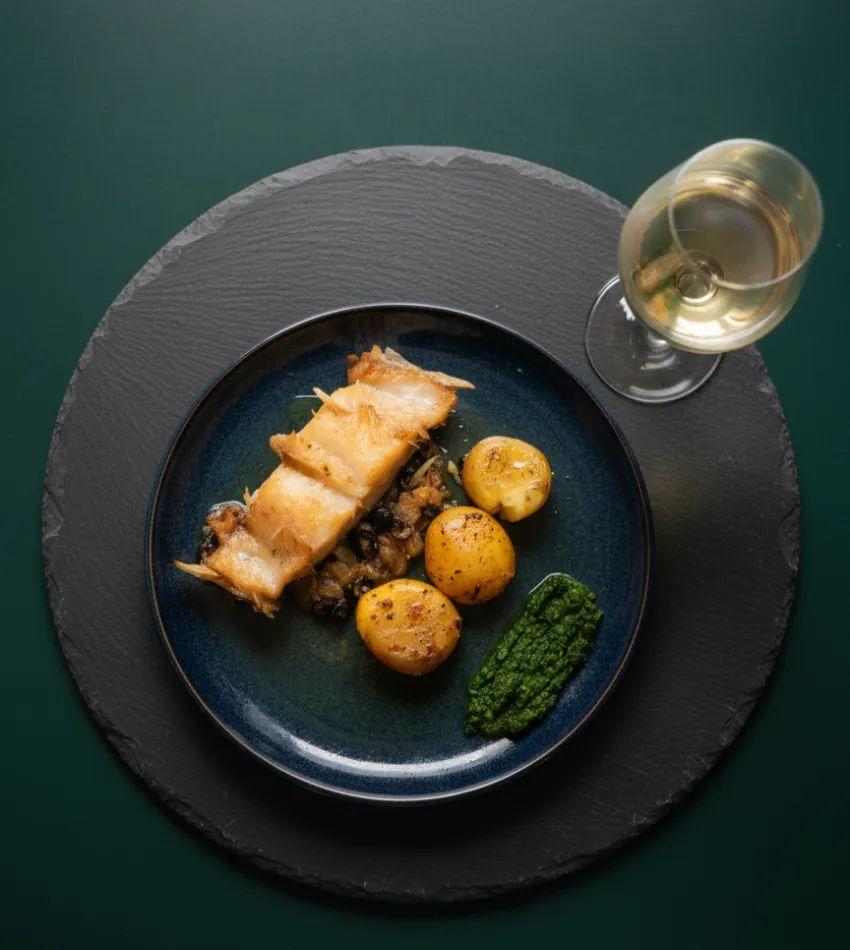
il mill. A lagareiro was the person who worked there and used a lot of olive oil in everything. That habit became a way of cooking, and now it describes this dish: cod soaked in good olive oil.
Bacalhau à Lagareiro comes from Portugal, particularly inland regions where olive oil production and salted cod were essential parts of daily life. These areas were known for olive groves, cold winters, and a long history of using salted cod as a dependable source of protein.
The recipe grew out of rural life:
It became a dish for celebrations, served at village feasts, family gatherings, and winter dinners. Over time, it became a core part of Portuguese cuisine.
The surprising thing is that cod doesn’t swim anywhere near Portugal. It comes from the cold waters of Canada, Greenland, Iceland, and Norway. So how did it become the symbol of Portuguese food?
1. The Age of Discoveries (15th–16th Century)
Portuguese sailors needed food that would last a long time at sea. Salted cod could last for months without spoiling, making it ideal for long voyages.
2. Religious Custom
Because meat was forbidden on many religious fasting days, cod became the default choice.
3. Affordable and Accessible
Imported cod was cheap, easy to preserve, and nutritious. It played a major role in feeding poorer families.
4. Creative Cooking
There are said to be more than 365 ways to cook bacalhau, one for every day of the year. Bacalhau à Lagareiro is one of the most iconic.
The dish itself reflects this journey: a fish from distant waters turned into a national treasure.
This part is about eating, not cooking.
1. With Batatas a Murro (Punched Potatoes)
The potatoes are roasted and lightly crushed so they soak up the garlic and olive oil. They’re almost as important as the cod itself.
2. Always With Plenty of Olive Oil
Olive oil is the heart of the dish. It coats the cod, covers the potatoes, and ties everything together.
3. With Bread to Soak Up the Oil
Portuguese bread, especially broa de milho or crusty white bread, is essential. Dipping it into the warm olive oil is part of the experience.
4. With Seasonal Greens
Common sides include:
They balance the richness of the cod and oil.
5. With Wine
Light, acidic white wines pair best and cut through the olive oil’s richness.
People searching for traditional Portuguese food often come across this dish, and for good reason.
1. It’s Honest and Simple
No heavy sauces. No complicated techniques. Just real ingredients.
2. It Tells a Story
You’re tasting centuries of exploration, rural traditions, and cultural evolution.
3. It Feels Comforting
Warm olive oil, soft potatoes, and flaky cod make it deeply satisfying.
4. It’s Visually Appealing
Golden potatoes, garlic cloves, and shimmering olive oil make it perfect for food photos.
Cod is more than food in Portugal. It’s a cultural symbol.
1. It Sustained the Country for Centuries
Especially during wars, poverty, and harsh winters.
2. It’s Central to Christmas Traditions
Many families eat bacalhau on Christmas Eve.
3. It Represents Exploration
Portuguese fishermen traveled vast distances to catch and trade it.
4. It Brings Generations Together
Every family has its own bacalhau traditions.
5. It Reflects Portuguese Food Values
Simple ingredients treated with respect.
Bacalhau à Lagareiro captures everything that defines Portuguese food. A fish from far northern waters, olive oil from local groves, potatoes from rural fields, and a cooking style rooted in history.
It’s simple.
It’s historical.
It’s comforting.
If you want to understand Portuguese food culture through one dish, this is a very good place to start.
Want to experience Bacalhau à Lagareiro the way it’s meant to be enjoyed?
Reserve your table at La Madragoa and discover authentic Portuguese flavors in a warm, traditional setting.


: A Look at Portugal’s Most Famous Food)
: A Look at Portugal’s Most Famous Food)