Notifications

6 minutes, 40 seconds
-73 Views 0 Comments 0 Likes 0 Reviews
Modern sports infrastructure plays a crucial role in improving athlete performance, and a well-designed track surface is at the heart of it. Installing an Athletic Running Track system provides consistent surface quality that supports speed, endurance, and agility. Advanced materials offer optimal shock absorption and energy return, allowing athletes to train harder while reducing fatigue.
A high-performance surface ensures even traction across all lanes, enabling runners to maintain balance and rhythm. This consistency is particularly important in competitive events, where even minor surface irregularities can impact results. By providing a reliable platform, modern track systems help athletes reach their full potential.
Safety is one of the most significant advantages of modern track installations. Contemporary systems are engineered to reduce impact stress on joints and muscles. Proper cushioning minimizes strain on knees, ankles, and hips, lowering the risk of overuse injuries.
Additionally, advanced surface textures improve grip without restricting movement. This balance reduces slips and falls during high-speed sprints or sharp turns. A safer environment encourages athletes to push their limits confidently while maintaining physical well-being.
Modern track systems are built with durable materials designed to withstand heavy usage and varying weather conditions. Unlike traditional surfaces, they resist cracking, fading, and wear over time. This durability ensures consistent performance throughout the track’s lifespan.
Long-term reliability also reduces maintenance frequency and repair costs. Investing in a high-quality installation minimizes disruptions caused by surface damage, ensuring uninterrupted training and competitions.
Outdoor tracks face constant exposure to environmental elements such as rain, sunlight, and temperature fluctuations. Modern track systems are designed with weather-resistant properties that maintain structural integrity under challenging conditions.
Effective drainage systems prevent water accumulation, keeping the surface safe and functional even after heavy rainfall. UV-resistant materials protect against sun damage, ensuring the track retains its color and elasticity for years. This resilience makes modern systems suitable for year-round use.
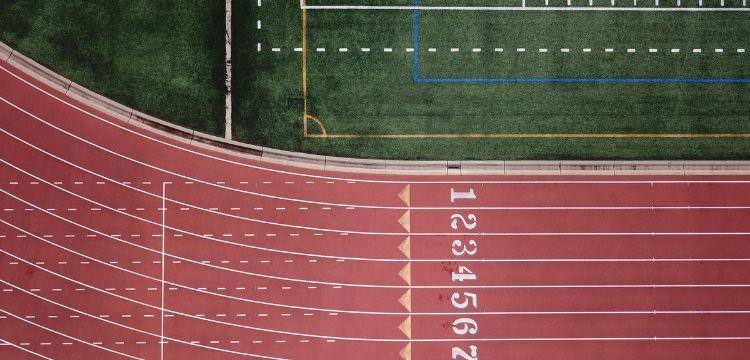
A modern running track enhances the visual appeal of sports facilities. Vibrant colors, precise lane markings, and smooth finishes create a professional appearance that reflects quality and attention to detail.
An attractive facility not only motivates athletes but also leaves a positive impression on spectators and event organizers. High-quality aesthetics can increase the likelihood of hosting competitions and community events.
While the initial investment in a modern track system may seem substantial, it offers significant long-term savings. Durable materials and reduced maintenance requirements lower operational costs over time.
Fewer repairs and replacements mean better budget management for schools, stadiums, and sports complexes. The extended lifespan of modern surfaces ensures a strong return on investment, making them a practical financial choice.
Many contemporary track systems incorporate eco-friendly materials and sustainable manufacturing processes. Recyclable components and low-emission materials contribute to a healthier environment.
Sustainable construction practices also reduce waste during installation. Choosing environmentally responsible solutions aligns with global sustainability goals and demonstrates a commitment to responsible facility management.
Modern track systems are versatile and adaptable to various athletic events. In addition to sprinting and long-distance running, they can support field events and training activities.
Their adaptable design allows integration with surrounding sports infrastructure, such as warm-up areas and practice zones. This versatility maximizes the utility of the facility and accommodates diverse athletic programs.
Maintenance is a key consideration for sports facility managers. Modern systems are engineered for easy cleaning and minimal upkeep. Regular sweeping and periodic inspections are typically sufficient to maintain performance.
Advanced surface coatings resist dirt buildup and staining, preserving both functionality and appearance. Reduced maintenance efforts allow administrators to focus on organizing events and supporting athletes rather than managing repairs.
Modern track installations are designed to meet recognized safety and performance standards. Compliance ensures that the surface provides appropriate shock absorption, slip resistance, and durability.
Meeting these benchmarks is essential for hosting official competitions and maintaining athlete confidence. A certified and well-constructed track assures users that the facility meets professional expectations.
High-quality sports infrastructure encourages community participation and promotes healthy lifestyles. A modern track facility can serve schools, local clubs, and fitness enthusiasts alike.
Accessible and well-maintained tracks attract a broader audience, fostering inclusivity and social interaction. Hosting events and competitions also strengthens community bonds and enhances the facility’s reputation.
Installing a modern Athletic Running Track system offers numerous advantages, from enhanced performance and safety to durability and sustainability. Its advanced design supports athletes while reducing long-term maintenance costs.
By investing in a high-quality track surface, facility managers create a safe, reliable, and visually appealing environment that benefits athletes and the broader community. With improved performance standards and long-lasting materials, modern track systems represent a smart and forward-thinking choice for sports infrastructure development.