Notifications

9 minutes, 7 seconds
-76 Views 0 Comments 0 Likes 0 Reviews
When buying, selling, or investing in property, especially in a competitive and fast-growing real estate market like Dubai, understanding technical property measurements is extremely important. One of the most commonly used terms in architectural planning and real estate listings is BUA.
In building design and development, BUA plays a vital role in determining the size, value, and functionality of a property. Whether you are purchasing an apartment, villa, or commercial space, knowing the BUA building meaning helps you make better financial and investment decisions.
In this detailed guide by Regent Elite Properties, we will explore:
Let’s start with the basics.
The full form of BUA is
Built-Up Area
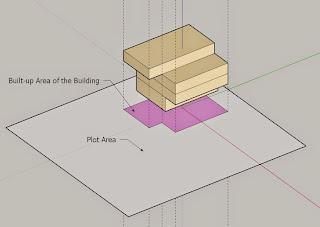
In construction and architecture, "built-up area" refers to the total covered area of a building measured from the outer edges of its external walls.
It includes:
In simple words, BUA represents the entire constructed footprint of a property.
Whenever you see property listings mentioning the total size of an apartment or villa in Dubai, that measurement is usually based on the BUA. bua building
BUA is one of the most important measurements used by:
It helps determine:
✔ Construction cost
✔ Project feasibility
✔ Space planning
✔ Property valuation
✔ Price per square foot
✔ Rental yield potential
In Dubai’s real estate market, property prices are generally calculated based on the price per square foot of BUA, not carpet area.
Built-up area includes all covered parts of a property. These typically include:
In villas and duplexes, BUA may also include covered garages.
Although BUA represents the constructed area, certain spaces are usually excluded: ilvento
Plot size and BUA are always measured separately.
The formula used for calculating Built-Up Area is
BUA = Carpet Area + Wall Thickness + Covered Areas
Let’s understand this with an example.
Carpet Area = 1,100 sq. ft.
Wall Thickness = 150 sq. ft.
Covered Balcony = 200 sq. ft.
Total BUA = 1,450 sq. ft.
In multi-floor buildings, the BUA of each floor is calculated and then combined.
Many buyers mistakenly assume that BUA refers to usable space. However, this is not correct.
Carpet area is the actual usable floor area inside the property where furniture can be placed.
It excludes:
Includes:
BUA is always larger than carpet area.
Another commonly used measurement in building construction is GFA (Gross Floor Area).
GFA is mostly used in commercial and large-scale developments.
| Area Type | Includes Walls | Includes Balcony | Includes Common Areas |
|---|---|---|---|
| Carpet Area | ❌ | ❌ | ❌ |
| BUA | ✔ | ✔ (Covered) | ❌ |
| GFA | ✔ | ✔ | ✔ |
In residential properties, BUA is the most relevant measurement for buyers.
In villas, buyers often confuse BUA with plot size.
Refers to the total land area on which the property is built.
Refers only to the constructed covered area of the villa.
For example:
Plot Size = 5,000 sq. ft.
BUA = 3,200 sq. ft.
The remaining 1,800 sq. ft. may include a garden or outdoor space.
BUA is widely used in Dubai for:
Real estate authorities such as
Use official measurements to regulate transactions and maintain transparency.
Most property platforms display:
✔ BUA
✔ Plot Size
✔ Price per sq. ft.
Understanding BUA helps buyers compare properties effectively.
If you are planning to invest in Dubai real estate, here’s why BUA matters:
Property value is often calculated using:
Total Price ÷ BUA = Price per sq. ft.
Example:
Property Price = AED 1,800,000
BUA = 1,500 sq. ft.
Price per sq. ft. = AED 1,200
This allows a fair comparison between properties.
Rental yield depends on property size.
Annual Rent ÷ Property Price × 100 = Rental Yield
Properties with efficient BUA often generate better rental returns.
Banks evaluate properties based on:
Higher BUA may increase property valuation.
Future buyers compare:
Efficient space planning within BUA improves resale potential.
In off-plan developments:
Buyers should always verify:
✔ Final floor plans
✔ Balcony inclusion
✔ Handover documentation
At Regent Elite Properties, we help investors verify all BUA details before purchasing off-plan properties.
Avoid these common misunderstandings:
Working with experienced consultants prevents costly mistakes.
Today’s architects aim to:
Efficient planning allows better functionality within the same BUA.
BUA stands for Built-Up Area, which refers to the total covered constructed area of a property.
Yes, because it includes walls and covered balconies.
Covered balconies are usually included.
Yes, most properties are priced based on BUA.
Understanding BUA in a building is essential for anyone involved in buying, selling, or investing in Dubai’s real estate market. Built-up area represents the total constructed space and plays a crucial role in determining property value and investment potential.
At Regent Elite Properties, we guide our clients through every detail—from understanding property measurements to making confident investment decisions.


