Notifications

 By Royal Clinic
Invalid date
8 minutes, 41 seconds
662 views 0 comments 0 likes 0 reviews
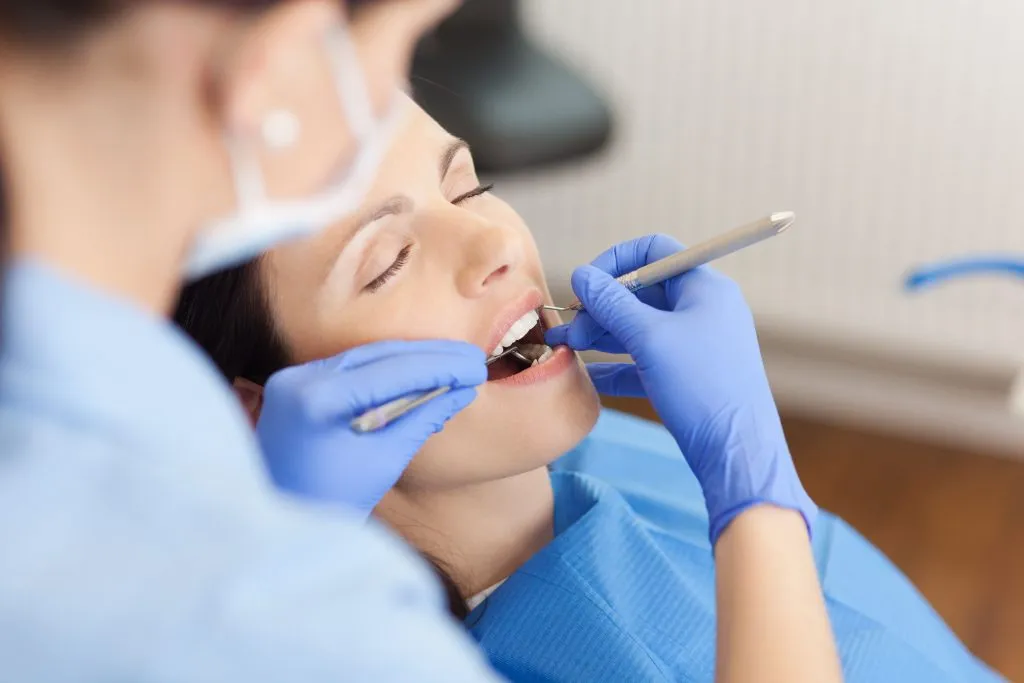
Dental visits can be stressful for many people, causing tension even before entering the treatment room. The fear of discomfort, unfamiliar tools, and unknown procedures often creates a barrier to maintaining optimal oral health. Understanding the strategies to manage these feelings is crucial for anyone seeking a calm and positive dental experience. A Dental Hygienist Dubai can play a pivotal role in helping patients feel comfortable, informed, and relaxed throughout their dental care journey.
Dental anxiety is more than just feeling nervous; it can manifest physically with symptoms like increased heart rate, sweating, and shallow breathing. Recognizing the root cause of this fear is the first step toward addressing it. Common triggers include past negative experiences, fear of pain, or even the sound of dental instruments. Identifying personal triggers helps patients prepare mentally and emotionally for their dental visits.
Open communication with your dental care provider is essential. Patients should feel empowered to express their fears and preferences. A dental hygienist can guide conversations to ensure every question is answered and every concern is acknowledged. Clear communication reduces uncertainty, which is often a primary source of anxiety. Patients are more likely to feel at ease when they understand what will happen during their dental cleaning or examination.
Practicing controlled breathing is a simple yet powerful way to reduce anxiety during dental visits. Slow, deep breaths help regulate heart rate and relax tense muscles. A dental hygienist can guide patients through breathing exercises before and during procedures, making the experience more manageable. Combining visualization techniques, such as imagining a peaceful place or focusing on positive thoughts, can further enhance relaxation.
Timing can significantly influence dental anxiety levels. Morning appointments may be ideal for those who feel stress building throughout the day. Shorter, more frequent visits can also help patients acclimate gradually, preventing the overwhelming feeling of a long, intense session. A dental hygienist can provide advice on scheduling strategies that align with each patient’s comfort and tolerance level.
The dental environment itself can trigger or alleviate anxiety. Simple adjustments, such as soft lighting, calming music, or supportive seating, make a notable difference. Many dental hygienists encourage patients to bring headphones, stress-relief items, or even a small distraction, like a book or phone, to ease tension. Feeling in control of the surroundings fosters a sense of safety and reassurance.
Acknowledgment of patient cooperation and progress during dental visits can reinforce confidence. Dental hygienists often use positive reinforcement, such as verbal praise or gentle encouragement, to make the experience more supportive. This approach helps build a trusting relationship between the patient and the provider, reducing fear for future appointments.
Distraction is a highly effective method for managing anxiety during dental care. Listening to music, watching videos, or focusing on a mental task can redirect attention away from the procedure. A dental hygienist can assist by offering tips and tools to maintain focus on pleasant stimuli rather than the treatment itself, which minimizes perceived discomfort and stress.
Gradual exposure to dental treatments can help desensitize patients over time. Starting with routine cleanings and minor procedures allows individuals to gain confidence in a controlled manner. A dental hygienist can design a step-by-step plan that balances necessary oral care with comfort, ensuring patients do not feel overwhelmed or pressured.
Knowledge is a powerful tool against anxiety. Understanding what each instrument does, why certain steps are necessary, and what sensations to expect reduces fear of the unknown. A dental hygienist can educate patients in simple, approachable language, making them feel informed and in control. Patients who understand the process are less likely to experience panic or heightened stress during visits.
Preparation outside the dental office also plays a role in reducing anxiety. Practicing mindfulness, meditation, or gentle stretching can help calm the mind and body before appointments. A dental hygienist may provide home-based exercises or relaxation tips to help patients arrive at the appointment with a calm, centered mindset.
Consistency and familiarity decrease anxiety over time. Establishing regular dental visits and maintaining a routine oral care regimen can make appointments feel less intimidating. Patients who follow a steady schedule with support from a dental hygienist often develop a sense of predictability and trust, which significantly reduces fear.
Having a trusted companion or support system can provide emotional reassurance. Whether it’s a family member, friend, or simply a supportive environment, knowing someone is there can alleviate tension. A dental hygienist can encourage patients to communicate their comfort needs and suggest ways to include supportive measures in their appointments.
Focusing on the benefits of dental care, such as healthier teeth, fresher breath, and long-term oral health, can shift attention from fear to motivation. A dental hygienist helps patients recognize the positive impact of treatment, turning visits into a rewarding and proactive experience rather than a source of dread.
Start with open communication, small steps, and breathing techniques. Identifying triggers early helps create a personalized plan.
Use distraction methods, controlled breathing, and mental visualization to maintain a relaxed state throughout the procedure.
Yes, establishing a consistent routine and gradual exposure to treatments helps desensitize fear over time.
Mindfulness, meditation, and relaxation exercises can prepare the mind and body for a more comfortable dental visit.
They provide education, reassurance, and supportive techniques that make each visit predictable, manageable, and stress-free.
Dental anxiety does not have to control oral health decisions. By following the guidance of a Dental Hygienist in Dubai, implementing relaxation techniques, and building a structured, supportive approach to dental care, patients can transform their visits into a more positive and stress-free experience. With awareness, preparation, and practical strategies, maintaining oral health becomes an empowering journey rather than a source of fear.


