Notifications

10 minutes, 35 seconds
-329 Views 0 Comments 0 Likes 0 Reviews
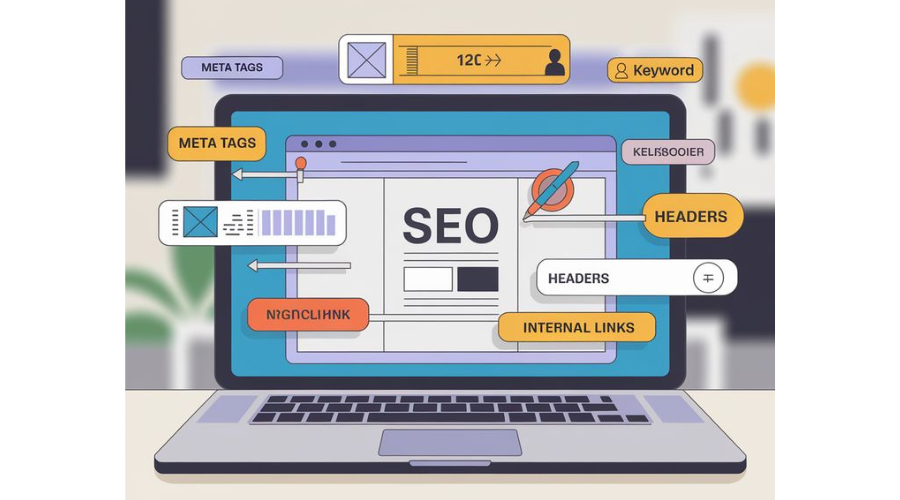
Internal linking is one of those SEO practices that often works quietly in the background. It does not create instant visibility like trending keywords or viral content, yet over time it shapes how a website grows, ranks, and earns trust from search engines. When done with care, internal linking connects content, improves user experience, and helps search engines understand the depth and relevance of a website.
In my experience working with content-heavy websites and service-based platforms, internal linking acts like a roadmap. It guides both readers and search engines through pages that matter, creating clarity instead of confusion. This clarity plays a major role in long-term SEO performance.
Internal links are hyperlinks that point from one page of a website to another page on the same domain. While this sounds simple, their impact is layered. Search engines rely on these links to discover pages, understand relationships between topics, and distribute authority across a website.
From a reader’s point of view, internal links help explore related information without effort. When a visitor finds a relevant link within the content, it builds trust and keeps them engaged longer. These engagement signals indirectly support SEO by showing search engines that the site provides meaningful value.
Search engine bots do not see websites the way humans do. They rely on links to move from one page to another. A well-planned internal linking structure ensures that important pages are easy to find and frequently crawled.
When pages are isolated or buried deep without links pointing to them, search engines may struggle to discover or prioritize them. Internal links act as signals that say this page matters. Over time, this improves indexing consistency and helps ensure that valuable content is not overlooked.
Websites that grow organically often develop dozens or hundreds of pages. Without internal linking, this growth can become messy. With it, the structure stays organized and accessible.
Every page on a website carries a certain level of authority, influenced by external backlinks and overall site trust. Internal linking allows this authority to flow naturally to other pages that need visibility.
For example, a well-performing blog article can pass relevance and strength to a related service or informational page through a contextual internal link. This helps newer or less visible pages gain traction without artificial manipulation.
This process supports balanced growth. Instead of a few pages ranking while others remain invisible, internal linking helps elevate the entire site ecosystem.
Search engines focus heavily on topical relevance. They want to understand not just individual pages, but how those pages relate to each other. Internal linking helps establish these relationships clearly.
When multiple articles around a similar subject are linked together naturally, it signals expertise and depth. This clustering effect tells search engines that the website covers a topic comprehensively rather than superficially.
Over time, this strengthens topical authority, which is especially important in competitive search environments like the United States market, where content quality and structure matter as much as keywords.
SEO performance is closely tied to how users interact with a website. Internal links encourage readers to move deeper into the site, explore related topics, and spend more time engaging with content.
A user who finds helpful internal references is less likely to bounce and more likely to trust the information presented. This improved engagement sends positive signals to search engines, reinforcing the site’s relevance and usability.
From a human perspective, internal linking feels like thoughtful guidance rather than forced navigation. This balance is what makes it effective.
Websites are not static. Content evolves, new pages are added, and older pages are refreshed. Internal linking helps maintain SEO stability during these changes.
When updating content, adding links to newer articles helps search engines discover fresh material faster. At the same time, linking back to foundational pages preserves their relevance.
This ongoing connection between old and new content supports consistent rankings and reduces the risk of sudden drops caused by neglected pages.
While internal linking is powerful, misuse can reduce its effectiveness. Overlinking, irrelevant linking, or repetitive anchor text can confuse both users and search engines.
Links should feel natural within the content and add value to the reader’s understanding. A link placed only for SEO, without contextual relevance, often weakens trust rather than strengthening it.
Quality always matters more than quantity. A few meaningful internal links can outperform dozens of forced ones.
In competitive regions like the United States, SEO success depends on details. Content quality, technical structure, and user experience must work together. Internal linking plays a connecting role between all these elements.
For example, a blog discussing SEO fundamentals might naturally reference industry practices followed by a Digital Marketing Agency in USA, linking readers to deeper insights without pushing a service. This kind of contextual mention supports relevance while maintaining informational integrity.
Such balance helps content rank organically while building credibility with both readers and search engines.
Experience, expertise, authoritativeness, and trustworthiness are central to modern SEO. Internal linking supports these principles by showing how content is interconnected and well-researched.
When articles reference each other logically, it reflects depth of knowledge. It also reassures users that the website is built thoughtfully, not randomly.
Search engines interpret this structure as a sign of reliability, especially when content demonstrates consistency and clarity across topics.
Internal linking is not about quick wins. Its real strength lies in long-term SEO performance. Over months and years, a strong internal structure supports rankings, improves discoverability, and adapts as content grows.
Websites that invest in internal linking early often find it easier to scale content without losing clarity. New pages integrate smoothly, older pages remain relevant, and search engines continue to understand the site’s purpose.
This steady growth is what sustainable SEO looks like in practice.
Internal linking helps search engines discover pages and understand how topics are related. When pages link to each other contextually, it shows structure and hierarchy. This makes it easier for search engines to index content accurately and determine which pages are most important.
Internal linking cannot replace external backlinks, but it can significantly enhance their impact. By distributing authority from stronger pages to others, internal links help improve visibility and rankings. This is especially useful for new or updated pages that need support.
There is no fixed number. Internal links should be added where they make sense for the reader. Too few links can isolate content, while too many can overwhelm users. The focus should always be relevance and usefulness rather than quantity.
Yes, internal linking improves user experience when done naturally. It helps readers find related information easily, keeps them engaged longer, and builds trust. A smooth navigation experience also sends positive engagement signals to search engines.
Internal links should be reviewed regularly, especially when new content is published or older pages are updated. Periodic audits help ensure links remain relevant, functional, and aligned with current content goals, supporting long-term SEO health.