Notifications

8 minutes, 41 seconds
-49 Views 0 Comments 0 Likes 0 Reviews
Florida’s climate can be beautiful, but it can also be tough on roofing systems. Intense sunlight, high humidity, heavy rainfall, and seasonal storms all place constant stress on roofs throughout the year. Because of these conditions, regular roof inspections are one of the most important steps homeowners can take to protect their property and avoid costly repairs.
Many homeowners wait until a leak appears before thinking about their roof. Unfortunately, by the time water damage becomes visible inside the home, the problem may have already spread beneath the surface. Routine inspections allow professionals to detect small issues early and recommend the right solutions before major repairs become necessary.
For homeowners in Central Florida, scheduling periodic inspections with experienced contractors who provide roofing services in Orlando FL is one of the most effective ways to maintain the condition of a roof and extend its lifespan.
A roof is designed to protect your home from rain, wind, and extreme temperatures. However, roofing materials gradually wear down over time due to constant exposure to the elements.
Shingles may loosen, flashing can deteriorate, and small cracks may develop in roofing materials. Without inspections, these minor issues can go unnoticed until they become larger structural problems.
Professional inspections help identify potential weaknesses before water intrusion occurs. Addressing these issues early can prevent damage to insulation, ceilings, and structural components inside the home.
Regular inspections also help homeowners plan ahead. Instead of facing unexpected repairs, they can schedule maintenance or replacement at the right time.
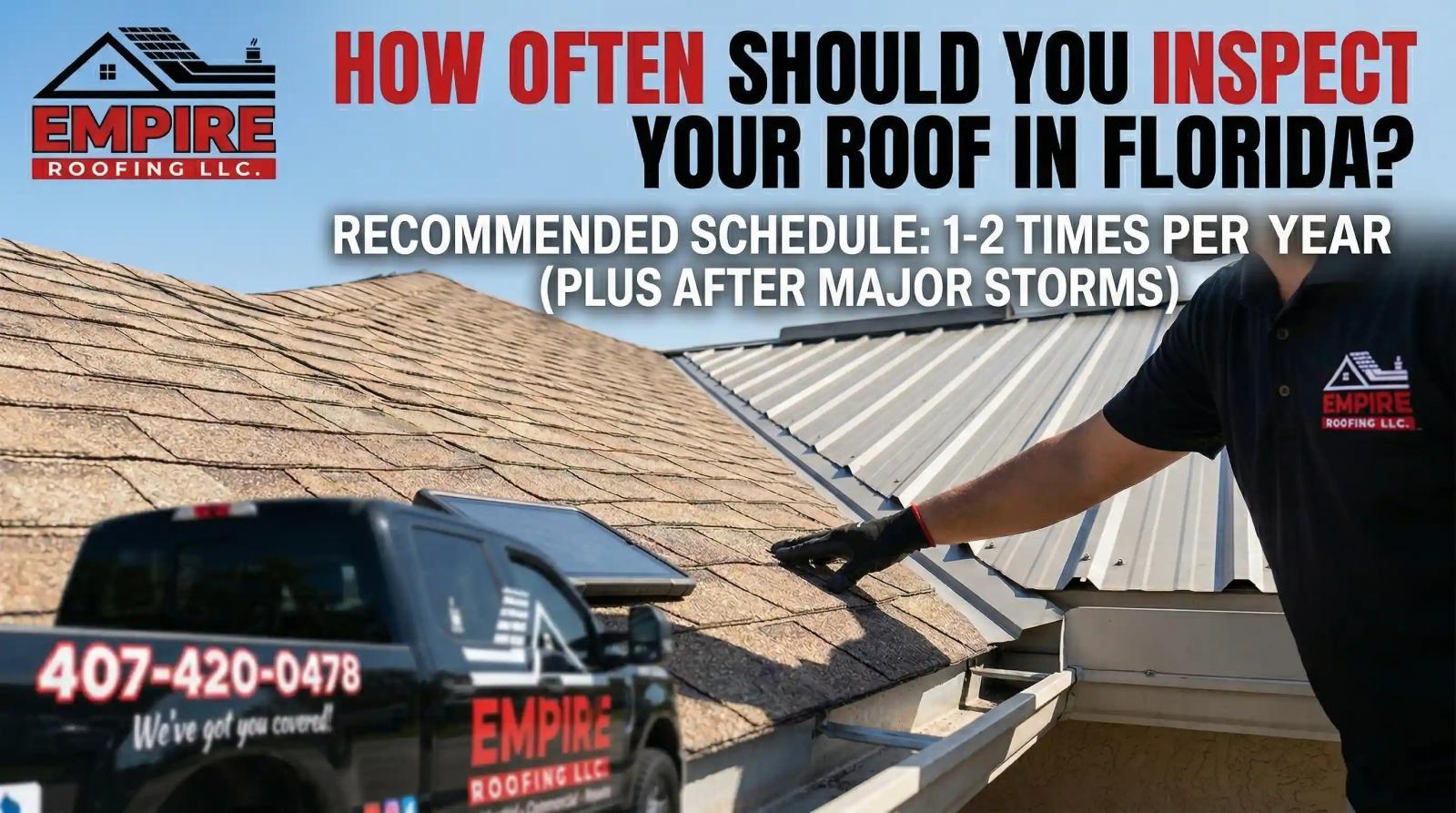
Because Florida weather can be unpredictable, most roofing professionals recommend having a roof inspected at least once or twice a year.
A common schedule includes:
This routine helps ensure that the roofing system remains strong throughout the year.
In addition to scheduled inspections, homeowners should consider having their roof checked after major storms. Strong winds, heavy rain, and flying debris can damage roofing materials even if the damage isn’t immediately visible.
While regular inspections are recommended annually, certain warning signs may indicate the need for immediate evaluation.
Some common signs include:
If homeowners notice any of these issues, contacting a professional contractor quickly can help prevent further damage.
A professional roof inspection involves much more than a quick glance at the shingles. Contractors follow a detailed process to evaluate the entire roofing system.
They typically check:
Inspectors may also check the attic to look for signs of moisture, poor ventilation, or water intrusion that may not yet be visible from the exterior.
By examining both the exterior and interior of the roofing system, contractors can provide a more accurate assessment of the roof’s condition.
Storm activity is one of the leading causes of roofing problems across Florida. High winds can loosen shingles, while debris may crack or puncture roofing materials.
Even if damage appears minor, small openings in the roofing system can allow water to enter. Over time, this moisture may lead to mold growth or structural deterioration.
Scheduling inspections after severe storms helps ensure that hidden damage is identified early and repaired before it spreads.
Routine inspections often lead to small maintenance tasks that help extend the life of the roof.
For example, contractors may recommend clearing debris from valleys, resealing flashing, or replacing damaged shingles. These minor repairs are far less expensive than large-scale replacements.
Maintenance also includes ensuring that gutters remain clean and functional. Proper drainage prevents water from backing up onto the roof and causing moisture damage.
By combining inspections with preventative care, homeowners can significantly increase the longevity of their roofing system.
Not all roofing systems age in the same way. The type of material used on a home can influence how frequently inspections are needed.
Asphalt shingles, which are commonly used on residential homes, should be inspected regularly because they may wear down faster under Florida’s intense sunlight.
Metal roofing systems are generally more durable but still require inspections to check for loose fasteners or corrosion.
Tile roofs are known for longevity, yet cracked or displaced tiles can still allow water to reach the underlayment beneath.
Commercial buildings with flat or membrane roofing systems also benefit from routine inspections because drainage problems or membrane wear can develop over time.
Understanding the specific needs of each roofing material helps contractors recommend appropriate maintenance schedules.
While homeowners can visually check their roof from the ground, professional inspections provide a more thorough evaluation.
Experienced contractors have the training and equipment needed to safely access the roof and examine areas that are difficult to see from below. They can identify subtle signs of wear that may go unnoticed during a casual inspection.
Professional inspections also provide documentation of the roof’s condition. This information can be helpful for insurance purposes, property sales, or planning future maintenance.
Florida’s weather conditions place constant stress on roofing systems, making regular inspections essential for maintaining a safe and reliable home. Most roofing professionals recommend inspecting a roof at least once or twice each year, along with additional evaluations after major storms.
Routine inspections allow contractors to identify small problems early, perform preventative maintenance, and extend the lifespan of the roof. They also help homeowners avoid unexpected repairs by keeping the roofing system in good condition year-round.
By scheduling regular inspections and addressing issues promptly, homeowners can ensure their roof continues protecting their property through Florida’s challenging weather conditions.