Notifications

8 minutes, 25 seconds
-47 Views 0 Comments 0 Likes 0 Reviews
If you want your air conditioner to work efficiently and keep the air in your home clean, changing the air filter regularly is very important. Many homeowners forget about this small task, but it can make a big difference in your comfort, energy bills, and the lifespan of your HVAC system.
In this guide, we’ll explain how often to change your air filter, why it matters, and how it helps your system run smoothly.
Your HVAC air filter has a simple but important job. It traps dust, pollen, pet hair, dirt, and other airborne particles before they enter your HVAC system and circulate through your home.
A clean air filter helps:
Improve indoor air quality
Keep your HVAC system running efficiently
Reduce dust in your home
Prevent system damage
Lower energy bills
When the filter becomes dirty or clogged, airflow becomes restricted. This forces your system to work harder than it should. Over time, this can lead to higher energy costs and even expensive repairs from an ac repair company.
For most homes, the general recommendation is to change the air filter every 1 to 3 months.
However, the exact timing can depend on several factors such as the type of filter, the size of your home, and your lifestyle.
Here’s a simple breakdown:
Every 30 days
Homes with pets
Homes with allergies or asthma sufferers
Homes with heavy AC usage
Every 60 days
Average households without pets
Moderate system usage
Every 90 days
Vacation homes
Homes with minimal HVAC usage
If you're unsure about the right schedule, a professional hvac company can inspect your system and recommend the best maintenance plan.
Sometimes the best indicator is simply checking the filter itself. But there are also a few signs that it may need replacement sooner than expected.
Look for these warning signs:
1. Increased Dust in Your Home
If you notice more dust on furniture or around vents, your filter may no longer be trapping particles effectively.
2. Weak Airflow
Clogged filters block airflow, which means your AC might not cool your home properly.
3. Higher Energy Bills
A dirty filter makes your system work harder, which can increase your electricity costs.
4. Allergy Symptoms
If people in your home start experiencing more allergy symptoms, your air filter may be full of dust and allergens.
5. Strange AC Performance
If your system runs longer than usual or struggles to reach the desired temperature, a clogged filter might be the cause. In some cases, you may need help from an ac repair company to diagnose the issue.
If you have pets, you’ll likely need to change your air filter more often.
Pet hair and dander can quickly clog filters and restrict airflow. Even homes with one or two pets should check filters at least once a month.
Pet owners should usually replace filters every 30 to 45 days to keep the HVAC system running efficiently.
Not all air filters are the same. Some last longer than others depending on their quality and design.
Here are common types:
Fiberglass Filters
These are the most basic and affordable filters. However, they typically need to be replaced every 30 days.
Pleated Filters
These are more effective at trapping dust and allergens. They usually last 60–90 days.
High-Efficiency Filters (HEPA)
These filters capture very small particles and are great for allergy sufferers. They can last longer but may require professional system compatibility checks by an hvac company.
Choosing the right filter can help improve both air quality and system performance.
Another factor that affects how often you should change your air filter is seasonal usage.
During summer and winter, your HVAC system usually runs more often. This means the air filter collects dust faster.
In these high-use seasons, checking your filter every 30–45 days is a good idea.
During milder months like spring and fall, filters may last longer since the system runs less frequently.
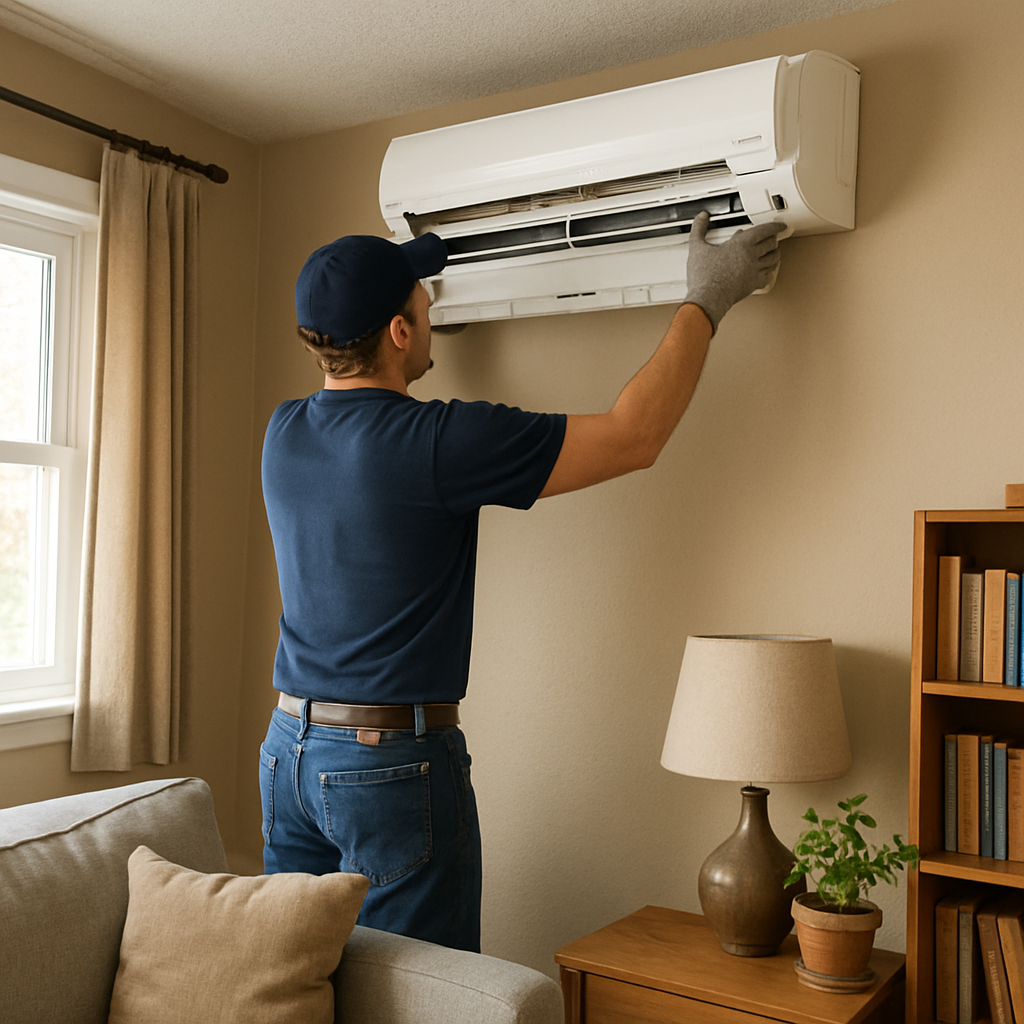
Checking your filter is quick and easy. Here’s a simple process:
Turn off your HVAC system.
Locate the air filter (usually near the return vent or inside the air handler).
Remove the filter.
Hold it up to the light.
If you cannot see light passing through the filter, it’s time to replace it.
This quick check can help you avoid unnecessary service calls from an ac repair company and keep your system running smoothly.
Replacing your air filter regularly offers several long-term benefits.
Better Energy Efficiency
A clean filter allows air to flow freely, helping your system run efficiently.
Longer HVAC Lifespan
Reduced strain on your HVAC system can extend its life.
Improved Indoor Air Quality
Clean filters trap allergens, dust, and pollutants.
Fewer Repairs
Routine maintenance helps prevent problems that could require costly repairs from an ac repair company.
While changing a filter is easy, sometimes HVAC issues go beyond a simple replacement.
You should contact a professional hvac company if:
Your AC is still not cooling properly after changing the filter
You hear unusual noises from the system
Your system cycles on and off frequently
Your energy bills suddenly increase
A qualified technician can inspect the system, identify problems, and recommend solutions before small issues turn into major repairs.
Changing your air filter may seem like a small task, but it plays a big role in maintaining your HVAC system and indoor comfort.
For most homes, replacing the air filter every 1 to 3 months is a good rule of thumb. However, factors like pets, allergies, filter type, and system usage may require more frequent changes.
By checking your filter regularly and keeping up with maintenance, you can improve air quality, reduce energy costs, and avoid unnecessary repairs. And if your system ever needs professional attention, a trusted hvac company or experienced ac repair company can help keep everything running smoothly.
A clean filter today can save you time, money, and frustration tomorrow.


