Notifications

9 minutes, 31 seconds
-44 Views 0 Comments 0 Likes 0 Reviews
Buying Cashew Nuts looks simple from the outside. You go to a shop, pick a pack, and that’s it. But the moment you open it and taste something bland or slightly stale, you realise it’s not that simple. This happens a lot. The problem is, most people don’t really know what to check. They just go by price or packaging, and that’s where things go wrong. But actually, good nuts are easy to spot, but only if you know a few basic things. Nothing complicated, just practical checks.
Start with the grade
You might have seen codes like W180 or W320 on packs and ignored them. But in the cashew business, this is basic information.
W180 is bigger and more premium
W240 is slightly smaller but still good
W320 is what most people buy regularly
W450 is smaller and cheaper
For normal use, W320 is perfectly fine. You don’t need to spend extra unless there’s a specific reason. Also, if someone is selling cashew nuts without mentioning the grade, that usually means the nuts are not of good quality, and you should avoid buying them.
Just look at them properly
You don’t need to be an expert to know if nuts are good. Just use your eyes and hands, and you’ll notice a lot. Here’s what I always check:
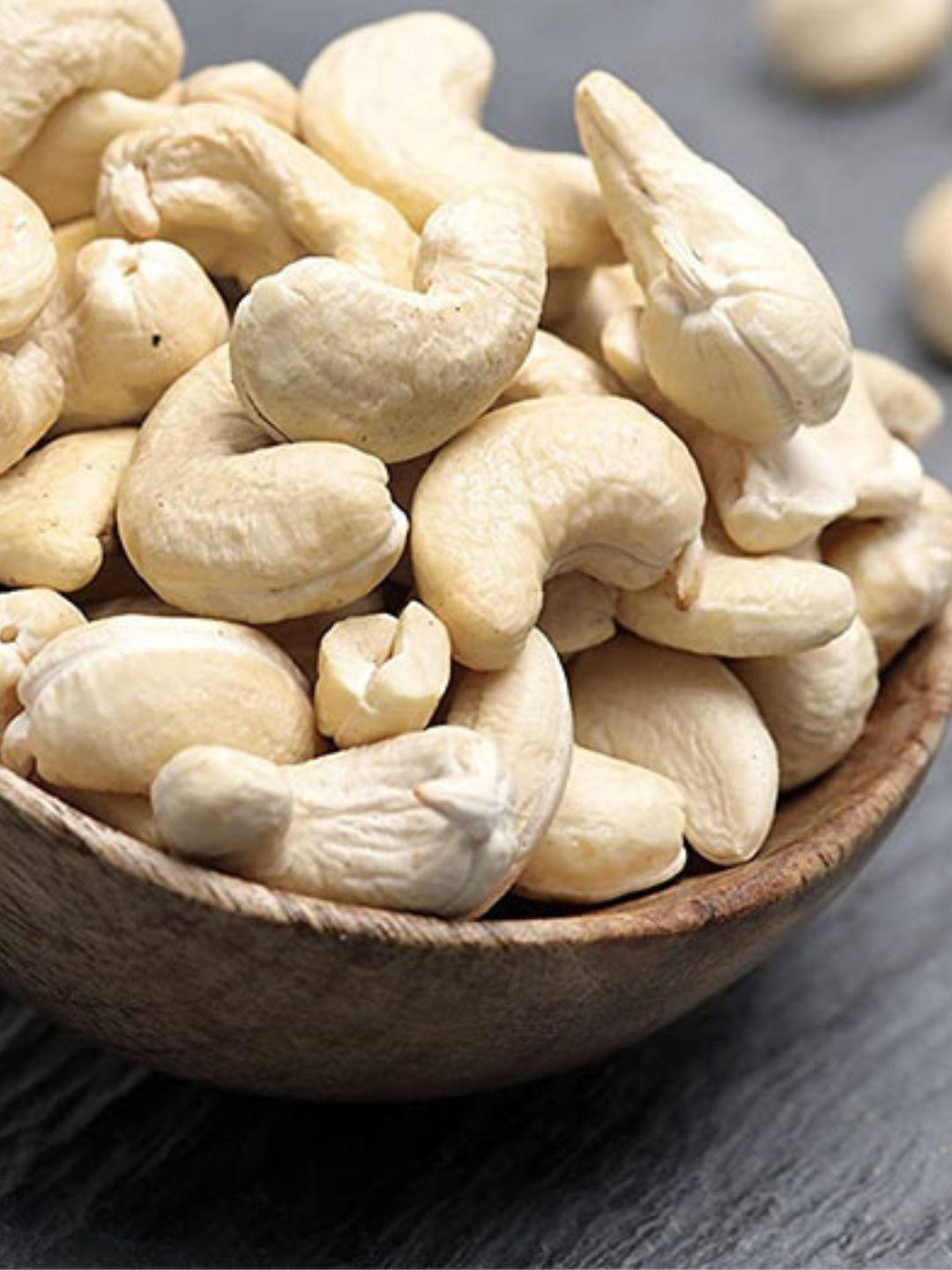
Color – Good nuts are pale cream or ivory. If they look yellowish or dark, they’re probably old or not stored well.
Cleanliness – They should look clean and tidy. Dust, spots, or tiny stains mean the nuts are not of good quality.
Whole pieces – Most of the nuts should be whole. A few broken ones are okay, but too many broken pieces usually mean lower quality.
Fresh look – Fresh nuts are firm, plump, and have a nice shine and texture. You can just tell by looking at them.
Texture – Give one a gentle squeeze. It should feel firm and crisp, not soft or rubbery. Soft nuts might have absorbed moisture.
By checking these simple things, you’ll almost always end up with fresh, crunchy cashew nuts that actually taste good.
Whole or broken, know what you’re paying for
This is where people get confused. Whole nuts cost more. Broken ones are cheaper and mostly used in cooking. There’s nothing wrong with broken pieces, but they shouldn’t be priced like premium ones. If you’re paying a higher price, you should be getting mostly whole nuts. Otherwise, it’s not worth it.
If you can, smell them
Not everyone does this, but it helps. Fresh nuts don’t have a strong smell. Just a light, slightly sweet, nutty smell. That’s it. If you notice anything sour or oily, skip it. That usually means the nuts are not fresh anymore.
Taste tells you everything
At the end of the day, this is what matters most. Good cashew nuts taste:
Mildly sweet
Slightly creamy
Crisp when you bite
If they taste flat, bitter, or feel chewy, something’s off. Once you’ve had good-quality nuts, you’ll notice the difference immediately.
Moisture is a silent problem
A lot of people miss this. If nuts are exposed to moisture, they lose their crunch and spoil faster. Just check this:
They should feel dry
They shouldn’t feel soft or rubbery
If they’re soft, they’re already going bad.
How cashew nuts are packed can tell you a lot about their quality. Here’s what to look for:
Airtight packs are best – Keeps nuts fresh, crunchy, and protected from moisture or dust.
Loose or open packs are risky – Nuts can become soft, stale, or contaminated if the packaging isn’t secure.
Good packaging shows care – Brands that pack nuts properly usually handle them carefully from processing to delivery.
Poor packaging is a red flag – Torn, flimsy, or cheap packs often mean the nuts inside may be old, broken, or low quality.
Quick check saves you trouble – A glance at the packaging can help you pick nuts that will taste fresh and last longer.
Be careful with very cheap options
Good nuts are not the cheapest thing in the market. If the price feels too low, there’s usually a reason:
Smaller size
Broken pieces
Old stock
It’s better to spend a little more and get decent cashew nuts than waste money on something you won’t enjoy.
Store them properly after buying
Even the best nuts can go bad if you don’t store them properly. Here’s how I always do it:
Keep them in an airtight container – This stops air and moisture from making the nuts soft or stale. A simple jar or sealed box works perfectly.
Avoid heat and sunlight – Don’t keep them near the stove or in direct sunlight. Heat can make the nuts lose their crunch and go bad faster.
Stay away from moisture – Make sure the container is dry before putting the nuts in. Humidity can make them soggy and ruin the flavor.
Divide big packs if needed – If you buy a large quantity, I like to split it into smaller containers. That way, I only open what I need, and the rest stays fresh longer.
Check occasionally – Every once in a while, I look at or sniff the nuts. If they still smell good and look firm, they’re fine.
Do this, and your cashew nuts will stay fresh, crunchy, and tasty for weeks, just like they were the day you bought them.
Conclusion
Choosing the right nuts doesn’t have to be confusing. At RK Agro Processing, we focus on quality you can see and taste, fresh, crunchy, and properly processed. Just a little attention to the color, smell, and size can make a big difference. Avoid rushing or picking only by price. When you choose carefully, you get cashew nuts that are truly worth it, full of natural flavor, and enjoyable every time you eat them.
FAQs
1. Which cashew nuts are best for daily use?
W320 is the most practical choice for regular use.
2. How can I check if nuts are fresh?
Look at the colour, smell them, and taste them if possible. Fresh nuts are light and slightly sweet.
3. Are broken nuts bad?
No, they’re just lower in grade and mostly used for cooking.
4. Why do some nuts taste bitter?
That usually means they are old or not stored properly.
5. How long can cashew nuts last?
If stored well, these nuts can stay good for a few months.


)
)