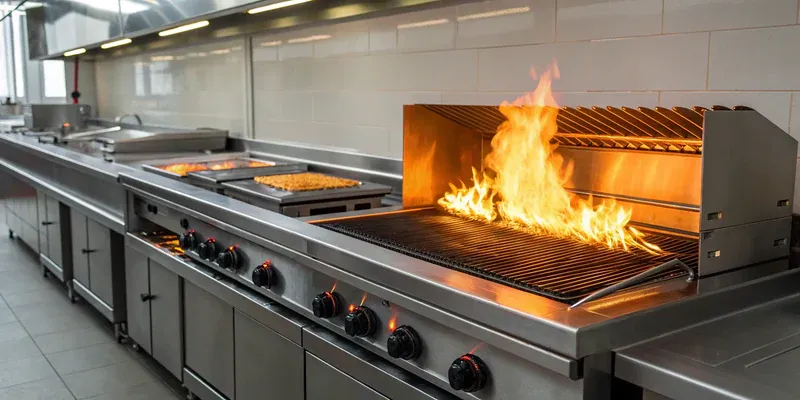
In a fast-moving commercial kitchen, timing and consistency shape every service. Tools that help cooks finish dishes quickly and with control make a real difference to daily operations. One such tool is the kitchen salamander, often used for browning, glazing, or gently reheating food just before it reaches the pass. Its value is not in showy performance but in how it quietly supports smooth service and dependable results during busy periods.
Supporting Efficient Workflow
When orders stack up and the pressure rises, the flow between preparation and plating needs to stay calm and predictable. A
kitchen salamander fits neatly into that rhythm. It allows chefs to apply direct heat to the surface of a dish without returning it to a full oven cycle. That small time saving, repeated across many plates, reduces bottlenecks and keeps food moving at a steady pace. In practical terms, this means fewer delays at the pass and less stress for staff trying to keep up with demand.
The device also encourages a more flexible approach to timing. Components can be prepared slightly ahead and finished at the last moment, helping kitchens respond to sudden surges in orders. This flexibility supports a smoother workflow and gives chefs more control over when and how dishes leave the kitchen.
Improving Consistency at Service Time
Consistency is one of the hardest things to maintain when a kitchen is under pressure. Finishing techniques, such as browning or melting, need to look and taste the same from the first plate to the last. A kitchen salamander offers a controlled heat source that helps achieve this uniformity. Applying heat from above allows cooks to focus on the surface of a dish without overcooking what lies beneath.
This kind of control reduces guesswork and lowers the risk of uneven results. Over a long service, that reliability builds confidence among staff and helps maintain a stable standard of presentation. Diners may never notice the tool itself, but they do notice when every plate arrives looking and tasting as expected.
Helping Manage Peak Periods
Peak periods test the limits of any kitchen. Space becomes tight, ovens fill up, and staff must juggle multiple tasks at once. Having a separate finishing station can ease some of that pressure. Instead of relying solely on main ovens or stovetops, cooks can complete final touches in a dedicated area. This division of labour keeps core cooking equipment free for other tasks and prevents congestion around a single heat source.
During these busy moments, small efficiencies add up. The ability to finish several plates in quick succession without interrupting other cooking processes supports a steadier pace of service and fewer mistakes.
Supporting Skill Development
Fast-paced kitchens are often training grounds for less experienced staff. Simple, controlled tools can help them learn finishing techniques with greater confidence. Using a salamander-style heat source teaches timing, visual cues, and attention to detail without the complexity of managing a full oven. This learning curve supports better habits and encourages a thoughtful approach to presentation.
As staff become more comfortable with these techniques, they contribute more effectively to the team. Over time, this shared competence strengthens overall kitchen performance.
Contributing to Kitchen Organisation
Organisation is not only about storage and layout; it is also about how tasks are distributed. A kitchen salamander can serve as a clear endpoint in the cooking process, creating a natural handover point between preparation and plating. This clarity reduces confusion about who is responsible for the final step of a dish and when it should be done.
In fast-paced kitchens, that kind of structure matters. It helps teams stay coordinated, limits unnecessary movement, and supports a calmer working environment, even during the busiest services.