Effective safety planning in urban and industrial environments relies on clear visual guidance. One essential strategy that enhances long-term safety is the use of line marking. By creating defined pathways, zones, and boundaries, line marking provides a framework that helps people navigate spaces safely and reduces the risk of accidents over time. In Melbourne, implementing strategic line marking contributes to safer environments across workplaces, public areas, and traffic systems.
Supporting Workplace Safety
In workplaces, clear demarcation of walkways, storage areas, and machinery zones is crucial.
Line marking Melbourne ensures that employees can move safely within busy or hazardous areas, avoiding collisions or interference with equipment. Over time, consistent use of line marking helps instil habitual awareness of designated zones, reinforcing safe behaviour. For organisations planning long-term safety measures, maintaining visible and well-defined markings is a proactive step towards reducing workplace incidents.
Enhancing Traffic and Pedestrian Movement
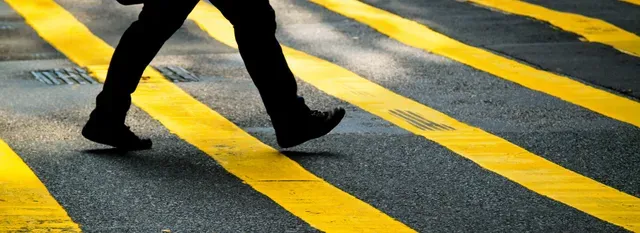
Urban traffic management benefits significantly from effective line marking. Roads, car parks, and pedestrian crossings require clearly defined lines to guide vehicles and people efficiently. Line marking Melbourne supports both drivers and pedestrians by indicating lanes, stopping points, and pedestrian pathways. These markings not only improve immediate safety but also contribute to long-term planning by reducing congestion, preventing confusion, and minimising the likelihood of accidents over the years of use.
Encouraging Compliance with Safety Standards
Compliance with safety standards and regulations is an ongoing requirement for many sectors. Well-maintained line marking helps organisations meet these obligations while providing a visible reminder of safety expectations. In industrial and commercial environments, adherence to regulatory guidelines is simplified when boundaries and pathways are clearly defined. By integrating line marking Melbourne into regular safety audits and planning, businesses can sustain a culture of compliance and safety awareness over time.
Improving Emergency Preparedness
In emergencies, quick and safe movement is critical. Clearly marked escape routes, assembly points, and access areas can make a decisive difference during evacuations or urgent situations. Line marking Melbourne plays a pivotal role in long-term emergency preparedness, ensuring that staff, visitors, and the public can follow visible guidance even in high-stress conditions. Regular maintenance of these markings ensures they remain legible and effective for years, supporting ongoing safety readiness.
Supporting Sustainable Safety Practices
Long-term safety planning also involves sustainability and adaptability. Durable line marking materials that withstand environmental conditions reduce the need for frequent replacements while maintaining clarity. This ensures that safety measures remain reliable over time, creating consistent guidance for daily operations. In Melbourne’s varied climate, investing in quality line marking contributes to both immediate safety and long-term resilience, reducing maintenance costs and enhancing confidence in safety protocols.
Line marking is a foundational element of comprehensive safety planning. By defining movement patterns, reinforcing compliance, and supporting emergency preparedness, line marking Melbourne contributes to safer environments that endure over time. Its role extends beyond simple visual cues, influencing behaviour, awareness, and organisational culture. Incorporating line marking into long-term safety strategies ensures that workplaces, public spaces, and traffic systems remain structured, navigable, and secure for years to come.