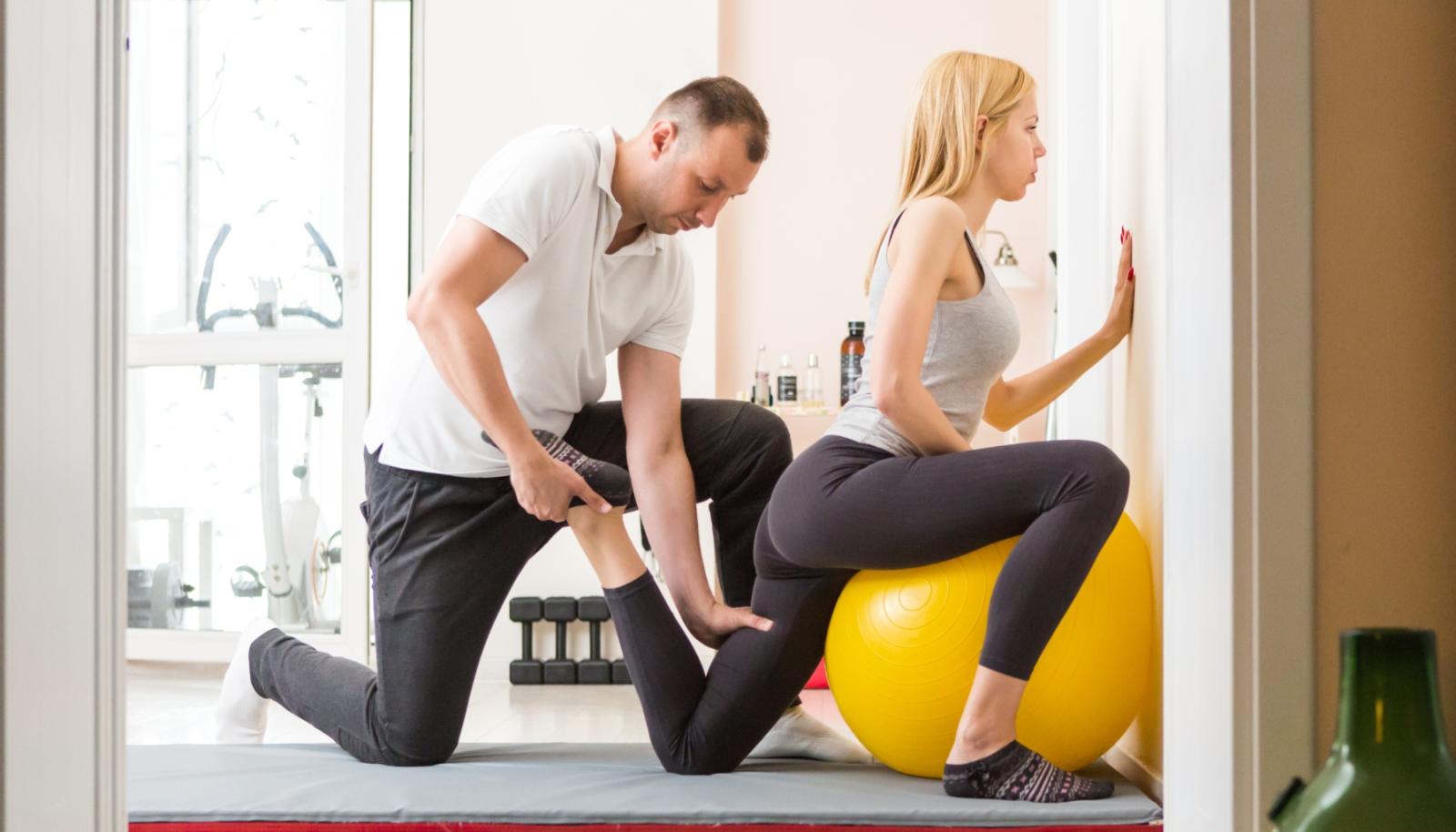
Postpartum recovery is a deeply personal experience that involves physical, emotional, and functional changes as the body adapts after pregnancy and childbirth. While much attention is often placed on newborn care, the recovery of the pelvic region is equally important for long-term comfort and movement confidence. Pelvic floor physiotherapy Edmonton focuses on how the muscles, connective tissues, and coordination patterns of the pelvic floor respond after delivery and how supportive physiotherapy guidance may help individuals navigate this stage of recovery with greater awareness.
During pregnancy, the pelvic floor supports increasing weight and pressure from the growing uterus while also adapting to hormonal changes that influence tissue flexibility. After childbirth, these muscles may feel weakened, overstretched, or tense depending on the type of delivery and individual healing response. Pelvic floor physiotherapy considers how strength, relaxation, and coordination must work together rather than focusing on a single aspect of muscle function. This balanced perspective is important because some individuals experience reduced support, while others develop increased tension that contributes to discomfort.
Bladder control changes are commonly discussed after childbirth, yet many individuals assume these changes are simply a normal part of recovery that must be tolerated. Leakage during coughing, sneezing, laughing, or physical activity may indicate altered pelvic floor coordination. Pelvic floor physical therapy Edmonton evaluates how timing, endurance, and muscle awareness influence bladder support during daily movement rather than viewing symptoms in isolation. Understanding these patterns may help guide gradual improvement in functional control.
Bowel function may also shift during the postpartum period. Constipation, straining, or a feeling of incomplete emptying may reflect coordination challenges within the pelvic floor and surrounding abdominal muscles. Pelvic floor physiotherapy Edmonton looks at how breathing mechanics, posture, and pressure management contribute to comfortable bowel movements, recognizing that these systems function together rather than separately.
Pelvic heaviness or pressure is another experience that may appear in the weeks or months following delivery. This sensation may become more noticeable during prolonged standing, walking, or lifting. Pelvic floor physiotherapy focuses on how load is transferred through the pelvis, hips, and core muscles, helping individuals understand how everyday activities influence pelvic support. Gentle retraining of movement patterns may play a role in improving comfort during routine tasks such as carrying an infant or returning to household activities.
Lower back, hip, or tailbone discomfort is also frequently connected to postpartum pelvic floor recovery. Because the pelvic floor works closely with the deep abdominal and spinal support muscles, changes in one area may influence the others. Pelvic floor physical therapy Edmonton considers whole-body coordination, exploring how posture, breathing, and muscle activation patterns interact during sitting, standing, and walking. This broader approach reflects the interconnected nature of postpartum healing.
Return to exercise is another area where guidance is often needed. Many individuals are eager to resume fitness routines but may be unsure how to progress safely. Pelvic floor physiotherapy Edmonton emphasizes gradual reintroduction of activity based on how the body responds rather than fixed timelines. Movements that increase abdominal pressure, such as running or lifting, may require preparation so the pelvic floor and core muscles can coordinate effectively during effort.
Emotional wellbeing is closely linked to physical recovery during the postpartum phase. Fatigue, sleep disruption, and the adjustment to new routines may increase muscle tension or reduce body awareness. Pelvic floor physiotherapy acknowledges how stress responses influence breathing and muscle activation, supporting gentle reconnection with movement in a way that respects both physical and emotional recovery.
Scar sensitivity following cesarean birth or perineal tearing may also influence pelvic comfort and movement. Tissue healing continues for months after delivery, and sensitivity or tightness may affect posture and muscle coordination. Pelvic floor physical therapy Edmonton considers how surrounding tissues move together and how gradual mobility strategies may support comfortable daily function without forcing change.
Education plays a meaningful role in postpartum physiotherapy care. Understanding what sensations are common, what changes may benefit from support, and how recovery typically progresses can reduce uncertainty. Pelvic floor physiotherapy Edmonton provides information that helps individuals interpret their body’s signals with greater confidence, encouraging active participation in recovery rather than passive waiting.