Notifications

10 minutes, 51 seconds
-83 Views 0 Comments 0 Likes 0 Reviews
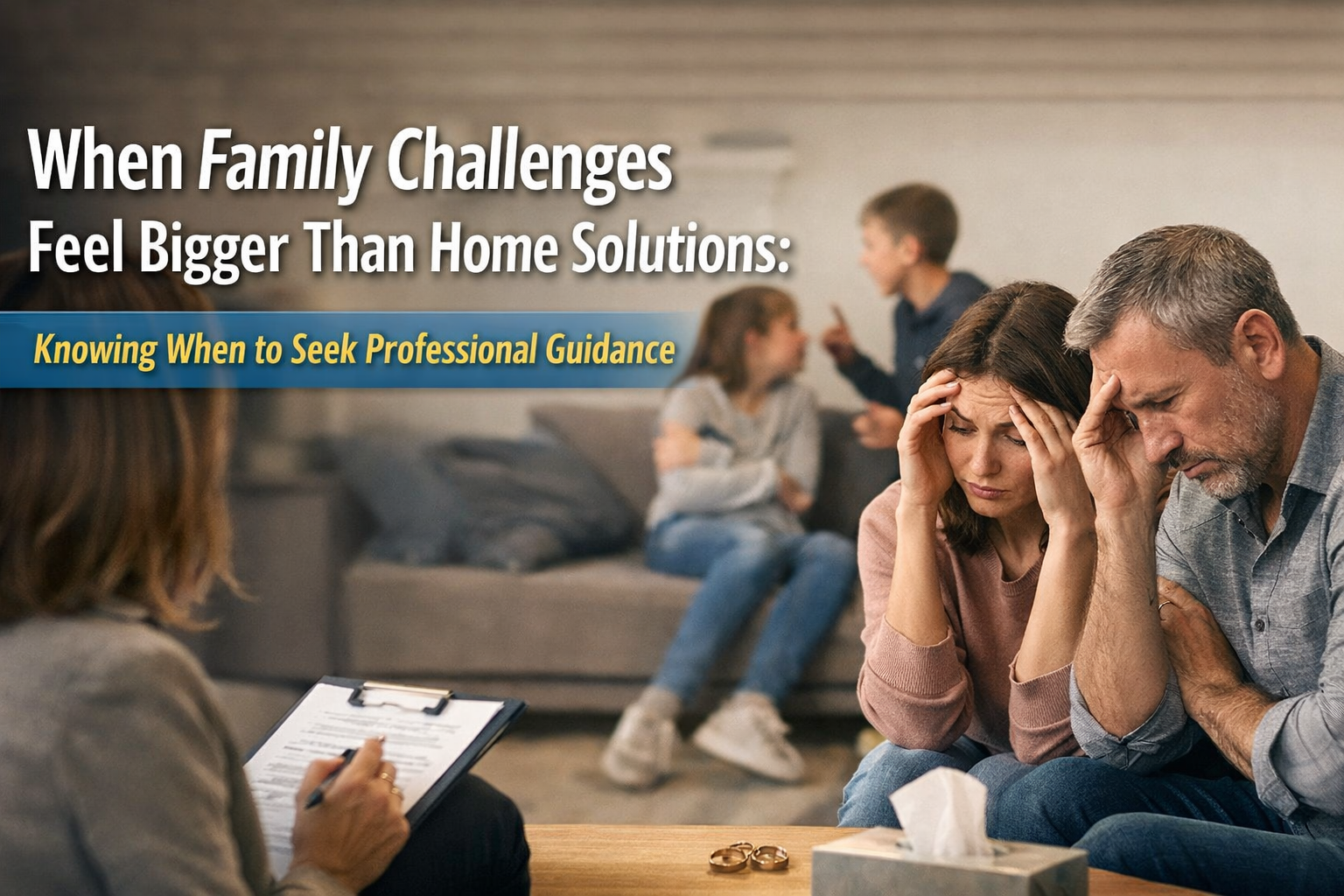
Family life can be deeply rewarding, but it can also become overwhelming when communication breaks down, conflict repeats, or emotional stress begins affecting daily routines. Many parents try to handle everything on their own, hoping things will improve with time. Sometimes they do. But in other cases, ongoing tension can quietly grow into patterns that impact the well-being of every family member.
Knowing when to ask for help is not a sign of failure. It is often a proactive and healthy step toward rebuilding trust, improving communication, and creating a more stable home environment. If you have been wondering whether now is the right time to seek professional support, understanding the signs can help you make an informed decision.
For families facing repeated stress, conflict, or emotional disconnection, options like family therapy for parents or working with a family psychologist in MN may provide the guidance needed to move forward with confidence.
Many parents delay seeking support because they assume family issues are temporary or simply part of raising children. While some disagreements and emotional ups and downs are normal, certain patterns can become more difficult to manage without outside guidance.
Common reasons families postpone getting help include:
Believing the issue will resolve on its own
Feeling unsure whether the problem is “serious enough”
Worrying about stigma around counseling
Thinking they should be able to fix it alone
Not recognizing early warning signs
The reality is that early support often leads to better outcomes. Addressing concerns before they escalate can reduce stress, improve relationships, and help families build healthier habits sooner rather than later.
Not every disagreement requires counseling, but repeated or escalating issues can signal that additional support may be helpful. Recognizing the signs early can make a significant difference.
One of the most common warning signs is a breakdown in family communication. If conversations often turn into arguments, misunderstandings, or emotional shutdowns, it may be time to explore professional support.
You may notice:
Family members interrupting or not listening
Frequent yelling or defensiveness
Avoidance of important conversations
Passive-aggressive behavior
Children withdrawing emotionally
Healthy communication is the foundation of strong relationships. When it starts to fail, other issues often become harder to manage.
Occasional tension between parents and children is normal, especially during developmental transitions. However, if conflict becomes constant, emotionally intense, or damaging to trust, it may indicate a need for support for parent-child relationship issues.
Examples include:
Repeated power struggles over rules or routines
Emotional outbursts that happen regularly
Ongoing resentment between parent and child
Difficulty setting boundaries without conflict
Increased distance or loss of connection
When conflict becomes the norm instead of the exception, families may benefit from learning healthier ways to communicate and respond.
Big transitions can place enormous stress on family systems. Even positive changes can create emotional disruption when they affect routines, security, or relationships.
Life changes that often trigger family strain include:
Divorce or separation
Remarriage or blended family adjustments
Moving to a new city or school
Loss of a loved one
Financial hardship
Illness or caregiving responsibilities
During these periods, emotional reactions may not always be obvious at first. Children may act out, become anxious, or withdraw, while parents may feel exhausted or disconnected. Professional guidance can help families adapt in healthier ways.
Sometimes the need for support is less about one major crisis and more about gradual disconnection. These family relationship counseling signs can be subtle but important.
Watch for patterns such as:
Increased emotional distance at home
Family members spending less quality time together
Recurring blame or criticism
Lack of trust between parents and children
Difficulty resolving even small disagreements
Feeling like the household is “walking on eggshells”
These patterns can affect both emotional safety and long-term relationship health. The sooner they are addressed, the easier it often is to shift the family dynamic in a positive direction.
Seeking guidance does not mean someone is to blame. It means your family is ready to learn better tools and build healthier patterns.
A structured counseling approach can help with:
Improving listening and emotional expression
Reducing conflict and reactive communication
Strengthening boundaries and family roles
Rebuilding trust after repeated tension
Supporting children through emotional or behavioral challenges
Creating practical strategies for everyday interactions
In many cases, parents discover that small shifts in communication style, consistency, and emotional awareness can lead to meaningful improvements across the whole household.
For those in Minnesota, connecting with a qualified family psychologist in MN can offer a personalized path forward based on your family’s unique needs and challenges.
Many people feel nervous before their first session because they do not know what the process looks like. In most cases, the first step is simply a conversation about what is happening at home and what changes you hope to see.
A typical process may include:
Initial Assessment
A therapist learns about the family dynamic, concerns, goals, and relationship history.
Identifying Core Challenges
This may include communication breakdowns, stress triggers, emotional patterns, or unresolved conflict.
Creating a Practical Plan
Families work on strategies tailored to their specific needs.
Building New Skills Over Time
Sessions often focus on communication tools, emotional regulation, boundary-setting, and conflict resolution.
Tracking Progress
As family interactions improve, the therapist helps reinforce what is working and adjust where needed.
This process is not about assigning blame. It is about helping every family member feel heard, supported, and better equipped to navigate challenges together.
Research consistently shows that early support can reduce the long-term impact of chronic family stress. According to the American Psychological Association, strong family relationships and healthy communication patterns are closely linked to better emotional resilience in both children and adults. When problems are addressed early, families are often able to prevent deeper emotional wounds and long-term disconnection.
Benefits of early support may include:
Faster conflict resolution
Improved emotional safety at home
Better coping skills for children
Reduced parental stress and burnout
Stronger trust and connection
More consistent and healthy family routines
In short, waiting for a “breaking point” is rarely the best strategy. Seeking help early can make healing more manageable and effective.
If your family is experiencing any of the following, it may be the right time to reach out:
Ongoing conflict that keeps repeating
Communication that feels tense or ineffective
Emotional withdrawal from children or partners
Stress from life changes that is affecting relationships
Behavioral concerns that are impacting home life
Feeling stuck despite trying your best
Asking for help is not about weakness. It is about protecting your family’s emotional health and investing in stronger relationships.
If you are looking for compassionate, professional support, Insights Psychology offers guidance for families navigating communication struggles, stress, and relationship challenges.
Every family faces difficult seasons, but not every family has to face them alone. When communication breaks down, conflict becomes routine, or emotional stress starts affecting daily life, professional guidance can provide clarity, structure, and hope.
Recognizing the signs early can help you move from frustration to progress. Whether your family is dealing with parent-child tension, life transitions, or ongoing disconnection, seeking support can be one of the most valuable steps you take.
If your home has been feeling more stressful than supportive, now may be the right time to explore your options. Visit Insights Psychology to learn more about how experienced professionals can help your family strengthen communication, rebuild trust, and move forward together.
family counseling family communication counseling for parents relationship guidance