Notifications

12 minutes, 52 seconds
-15 Views 0 Comments 0 Likes 0 Reviews
In an era where digital transformation is rapidly reshaping industries, security systems are no exception. Traditional on-premises access control solutions are becoming increasingly obsolete, as businesses seek more flexible, scalable, and cost-effective options. Enter cloud-based access control systems — a game-changer in the world of physical security. With the ability to centralize, streamline, and enhance security management, cloud-based solutions are setting the stage for the next generation of business protection. In this article, we explore why cloud-based access control is the future of security, focusing on its benefits for businesses of all sizes.
For decades, businesses relied on on-premises access control systems, which were typically comprised of local servers, hardware, and software that needed to be manually maintained, updated, and secured. While this approach worked in its time, it presented a range of challenges, particularly as organizations grew in size and complexity.
Cloud-based access control systems, however, have shifted the landscape of security. Instead of housing servers and control panels on-site, these systems store data remotely on secure cloud servers, which can be accessed and managed from anywhere with an internet connection. This evolution is driven by several key factors:
As businesses expand, their security needs often evolve. Whether adding new employees, opening additional office locations, or integrating advanced security technologies, scalability becomes a critical consideration. Traditional on-premises solutions require expensive hardware upgrades, complex integrations, and manual configuration each time the system grows. Cloud-based solutions, by contrast, are inherently scalable. They allow businesses to add users, doors, and locations with ease, all through a centralized platform. This flexibility reduces the need for costly infrastructure investments and makes it easier for businesses to adapt to changing security demands.
One of the primary reasons businesses are turning to cloud-based systems is cost efficiency. Traditional access control systems come with hefty upfront costs, including hardware, installation, maintenance, and software updates. In contrast, cloud-based access control eliminates the need for dedicated on-site hardware. The software is hosted in the cloud, with businesses paying only for the services they use, typically through a subscription-based model. This reduces capital expenditures and lowers the total cost of ownership (TCO), making it an appealing option for businesses of all sizes.
Managing a traditional access control system often requires a dedicated IT team to handle everything from hardware maintenance to software updates. With a cloud-based system, much of the maintenance and security is handled by the service provider. This includes system updates, software patches, and cybersecurity measures, which are automatically applied, reducing the workload on in-house IT staff. This hands-off approach allows businesses to focus on core operations while leaving the complex task of managing the access control infrastructure to experts.
One of the biggest concerns for businesses when it comes to physical security is ensuring that the system is always up-to-date and secure. Traditional access control systems are vulnerable to local cyberattacks, hardware malfunctions, or outdated software, which can compromise security. Cloud-based solutions, on the other hand, provide enhanced security features that can mitigate these risks.
One of the most significant advantages of cloud-based access control is the ability to monitor security data in real-time. Business owners and security teams can receive immediate alerts about suspicious activity, unauthorized access attempts, or system malfunctions, no matter where they are. This instant awareness allows for a quicker response, minimizing the risk of security breaches.
For example, if an employee attempts to access a restricted area, or if a door is propped open for too long, the system can send a notification via email or text, allowing security personnel to address the issue without delay. Real-time monitoring also facilitates the ability to audit security events and gain insights into patterns of behavior, enhancing overall decision-making.
Cloud-based access control systems are built with advanced security protocols, including end-to-end encryption and secure communication channels, to protect sensitive access data. Unlike on-premises systems, which may store data on local servers vulnerable to physical tampering or cyberattacks, cloud-based solutions leverage the latest cybersecurity technologies to safeguard data. Data is encrypted both in transit (when it’s sent across the network) and at rest (when it’s stored in the cloud), ensuring that only authorized users can access it.
Additionally, cloud providers often have dedicated cybersecurity teams that monitor and respond to potential threats 24/7, further enhancing security. This level of protection can be difficult for individual businesses to replicate with on-premises solutions.
Cybersecurity threats are constantly evolving, and businesses need to ensure that their security systems are always up to date. Cloud-based access control systems come with the benefit of automatic software updates and patches. Service providers continuously monitor the system for vulnerabilities and release updates to address emerging security risks. This proactive approach helps ensure that businesses are always using the latest and most secure version of the software, without requiring manual intervention.
The user experience of a cloud-based access control system is another key advantage that sets it apart from traditional solutions. These systems are often more intuitive and user-friendly, offering a range of features that improve accessibility and flexibility for both security teams and employees.
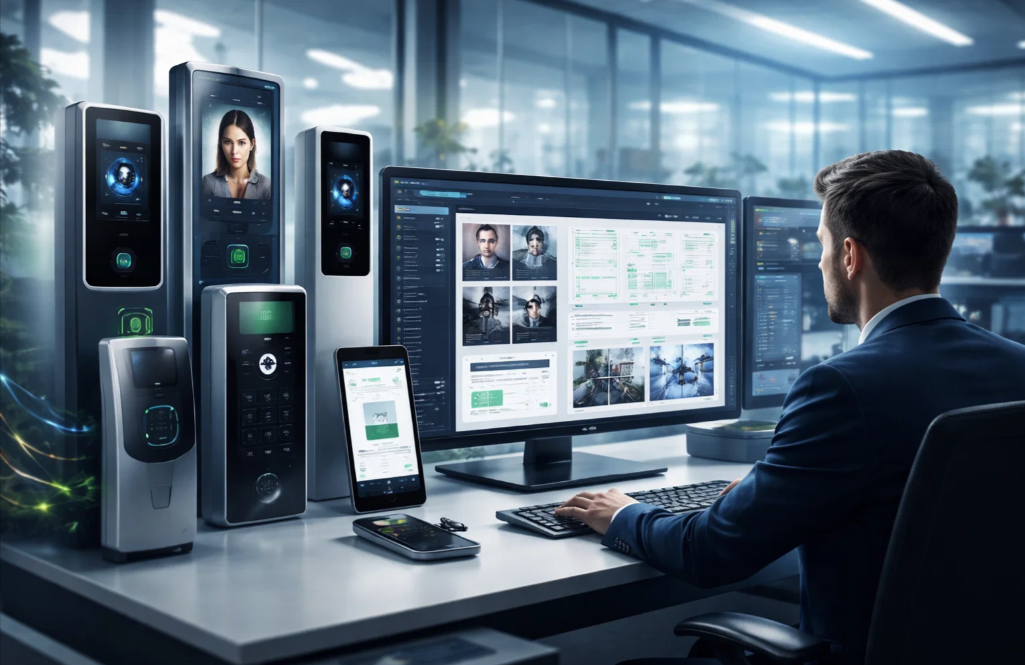
With a cloud-based system, businesses can manage all access points, users, and settings from a centralized dashboard. Whether your business has one location or multiple offices spread across different regions, cloud-based systems allow security administrators to configure and manage access remotely. Administrators can easily grant or revoke access permissions, monitor real-time activity, and generate reports — all from a single interface.
Cloud-based access control systems can be managed from any device with an internet connection, including smartphones, tablets, and laptops. This remote access capability is particularly valuable for business leaders, facility managers, or security teams who need to manage security on the go. For example, a business owner could review access logs, change permissions, or lock down a facility all from their mobile device.
Mobile access is not just limited to administrators — employees can also benefit from cloud-based systems. Many modern cloud access systems offer mobile credentialing, which allows employees to use their smartphones as digital keys to access secure areas. This eliminates the need for physical keycards, reducing the risk of lost or stolen credentials and simplifying the overall user experience.
One of the most compelling features of cloud-based access control systems is their ability to integrate with other security technologies. Traditional access control systems often operate in isolation, with limited ability to connect with other tools, such as video surveillance, alarm systems, or visitor management software. Cloud-based solutions, however, can be easily integrated with a wide range of other security systems, creating a holistic security ecosystem.
Cloud-based access control systems can seamlessly integrate with video surveillance solutions, allowing businesses to correlate access events with video footage. For example, if an employee enters a secure area, the system can trigger a video recording of the event, providing valuable context in the event of an incident. This integration enhances the overall security posture and helps businesses make more informed decisions in case of security breaches.
In addition to video surveillance, cloud-based systems can also integrate with third-party software and IoT (Internet of Things) devices. For example, businesses can connect access control systems to building management software, automating actions like locking doors during after-hours or adjusting HVAC systems based on access patterns. This level of integration streamlines security operations and enhances operational efficiency.
For businesses in regulated industries such as healthcare, finance, and government, compliance with industry standards and regulations is critical. Cloud-based access control systems offer robust reporting and audit capabilities that help businesses meet compliance requirements. These systems automatically log all access events, including timestamps, user IDs, and access points, which can be easily accessed for reporting and auditing purposes.
By offering real-time reports and activity logs, cloud-based access control systems enable businesses to demonstrate compliance with industry regulations, such as HIPAA for healthcare or PCI DSS for payment card industry standards. This reduces the administrative burden of compliance and ensures that businesses remain compliant with relevant laws and regulations.
As businesses continue to embrace cloud technology for various operations, security is no longer the exception — it's becoming the rule. Cloud-based access control systems represent a powerful solution that meets the modern needs of businesses by offering scalability, cost-effectiveness, real-time monitoring, and superior security. Whether you're a small business owner or managing a large enterprise, the flexibility and power of cloud-based security systems will help safeguard your physical assets and digital infrastructure for years to come.
In conclusion, cloud-based access control is not just a passing trend — it's the future of security. As businesses look for smarter, more efficient ways to protect their premises, the cloud offers unparalleled advantages in terms of scalability, security, user experience, and integration. For organizations seeking a secure, adaptable, and future-proof solution, cloud-based access control is the way forward.
security Access Control System Cloud-Based Access Control millennium


