Notifications

7 minutes, 6 seconds
-60 Views 0 Comments 0 Likes 0 Reviews
When it comes to creating safe, long-lasting, and visually appealing outdoor or indoor surfaces, poured in place rubber has quickly become the top choice for homeowners, schools, parks, and businesses. From playgrounds to walkways, fitness areas to pool decks, this innovative surfacing solution offers unmatched benefits compared to traditional flooring materials.
In this comprehensive guide, we’ll explain everything you need to know about poured in place rubber surfacing, why it’s so popular, and how it can transform your space with style and functionality.
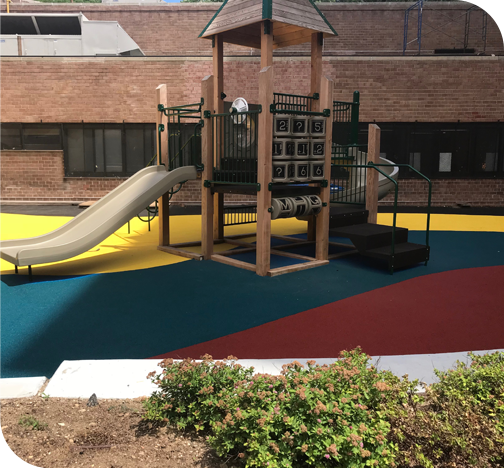
Poured in place rubber surfacing is a seamless flooring solution created by blending rubber granules with a liquid binder and applying it directly to the surface. Once cured, it forms a resilient, durable, and flexible layer that’s ideal for a wide range of applications.
Unlike traditional tiles or mats, pour in place rubber surfacing is installed on-site, allowing for custom shapes, thicknesses, and finishes. Because it’s poured and troweled into place, it eliminates gaps and seams where debris and moisture could accumulate.
One of the top reasons people choose poured in place rubber is its excellent shock-absorbing properties. The material provides a cushioned surface that helps reduce the risk of injuries from slips, trips, and falls. This makes it ideal for:
Children’s playgrounds
Outdoor parks
Gym and fitness areas
Pool surrounds
The soft but resilient surface helps minimize impact, which is especially important in areas with frequent activity.
Pour in place rubber stands up to heavy foot traffic, extreme weather, and daily wear and tear without cracking or breaking apart. Unlike concrete or asphalt, rubber surfacing won’t splinter or erode over time. Instead, it remains strong and vibrant for years, even in high-use areas.
Keeping poured in place rubber surfacing clean is easy. Regular sweeping and occasional rinsing with mild soap and water are typically all that’s needed to maintain its appearance. Because the surface is seamless, dirt and debris don’t get trapped in cracks or joints.
With a wide range of colors and design options, rubber surfacing can be tailored to fit your aesthetic vision. Whether you want vibrant colors for a school playground or elegant earth tones for a patio or walkway, poured rubber allows for creative expression without sacrificing performance. Logos, patterns, and themed designs are also easy to incorporate.
Many poured in place rubber products use recycled rubber, often harvested from post-consumer tires. This makes it an eco-friendly choice that reduces waste and minimizes environmental impact. Choosing rubber surfacing not only upgrades your space—it supports sustainable building practices.
The versatility of pour in place rubber surfacing means it’s suitable for almost any space where safety, durability, and aesthetics matter. Popular applications include:
Children’s play spaces benefit greatly from the shock-absorbing qualities of rubber surfacing. The surface provides protection against falls while offering a comfortable footing for running and playing.
Rubber absorbs impact from weights drops and high-intensity workouts better than wood or concrete, protecting both the floor and the equipment while reducing noise.
Pour in place rubber is slip-resistant, making it a smart choice for wet environments like pool decks and patios. It provides comfort underfoot and a safer, more secure surface for bare feet.
Long-lasting and weather-resistant, rubber surfacing is a great option for pedestrian walkways, public plazas, and commercial centers. Its adaptability allows curving paths and custom designs.
Installing poured in place rubber surfacing requires trained professionals who understand how to prepare the base, pour the rubber mix, and finish the surface smoothly. The process typically involves:
Site preparation: The ground is leveled and cleaned.
Base layer installation: A shock-absorbing underlay may be added for enhanced safety.
Rubber mix application: The rubber granules and binder are poured and troweled to achieve the desired thickness.
Curing: The surface is left to cure until it develops its final strength and texture.
Once cured, the finished surface is ready for use and can handle foot traffic immediately.
When selecting a contractor for poured in place rubber surfacing, look for experience, quality materials, and strong customer reviews. A reputable installer will guide you through color choices, thickness options, maintenance requirements, and expected lifespan. They should also ensure compliance with safety standards for your intended use, especially in playgrounds and public facilities.
Whether you’re designing a new playground, renovating a fitness space, or upgrading your outdoor living area, pour in place rubber surfacing offers unmatched performance, beauty, and safety. Its seamless design, durability, and design flexibility make it one of the most versatile surfacing solutions available today.
Rubber surfacing isn’t just functional—it’s an investment in safety, comfort, and long-term value for your property.


