Notifications

11 minutes, 25 seconds
-382 Views 0 Comments 0 Likes 0 Reviews
In the hospitality industry, reputation is everything. A single pest sighting can quickly turn a five-star experience into a nightmare for guests, leading to negative reviews, health code violations, and lasting damage to your brand. Whether you manage a boutique hotel, fine dining restaurant, resort, or café, maintaining a pest-free environment isn't just about cleanliness it's essential for business survival.
Pests like rodents, cockroaches, flies, and bed bugs pose serious threats to hygiene standards, guest satisfaction, and regulatory compliance. The good news? With the right hospitality pest control tips and proactive strategies, you can protect your property, guests, and bottom line.
Pests are more than a nuisance they're vectors for disease. Rodents can contaminate food supplies with salmonella and hantavirus. Cockroaches spread E. coli and trigger allergies. Flies transfer pathogens from waste to food preparation areas. In an industry where hygiene is paramount, any pest presence can lead to foodborne illness outbreaks and serious health department citations.
Today's travelers share their experiences instantly through review platforms and social media. A single photo of a cockroach or bed bug can go viral, causing irreparable damage to your establishment's reputation. Studies show that potential guests actively avoid hotels and restaurants with pest-related complaints, directly impacting occupancy rates and revenue.
Health departments enforce strict sanitation standards across the hospitality sector. Pest infestations can result in failed inspections, fines, temporary closures, or even permanent license revocation. Maintaining proper commercial pest control measures ensures you meet local and federal regulations while protecting your operating license.
The foundation of effective pest prevention strategies begins with impeccable cleanliness. Establish rigorous daily, weekly, and monthly cleaning schedules that address all areas of your property.
In food service areas, clean spills immediately, store food in sealed containers, and ensure garbage is removed regularly throughout the day. Kitchen staff should deep clean cooking equipment, drain lines, and hard-to-reach areas where grease and food particles accumulate. Dining areas require constant attention during service hours, with tables, floors, and beverage stations maintained spotlessly.
Guest rooms need thorough cleaning between stays, with particular attention to areas where bed bugs hide mattress seams, headboards, and furniture joints. Housekeeping staff should be trained to recognize early signs of pest activity during routine cleaning.
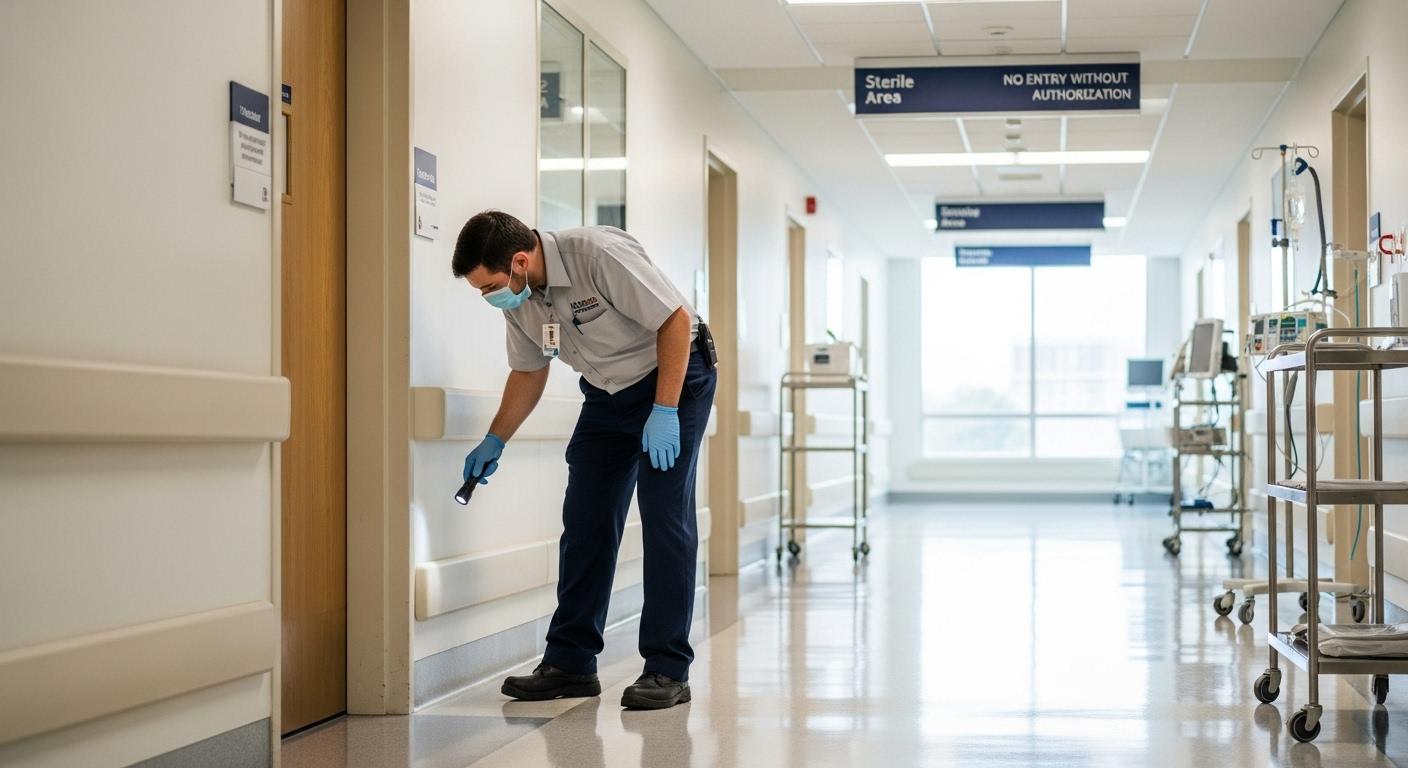
Routine inspections help identify pest problems before they escalate into full-blown infestations. Designate staff members to perform weekly walk-throughs of all areas, including kitchens, storage rooms, laundry facilities, guest rooms, and outdoor spaces.
Look for telltale signs like droppings, gnaw marks, grease trails, shed skins, or unusual odors. Pay special attention to entry points where pests commonly infiltrate buildings gaps around pipes, cracks in foundations, damaged door sweeps, and broken window screens. Early detection allows for swift intervention, preventing minor issues from becoming costly disasters.
Pests can squeeze through surprisingly small openings. Mice can enter through holes the size of a dime, while cockroaches slip through cracks as thin as a credit card.
Conduct a thorough exterior inspection of your building, sealing cracks in walls, foundations, and around utility penetrations with appropriate materials like steel wool, caulk, or concrete. Install door sweeps on all exterior doors and ensure they close tightly. Repair damaged screens on windows and vents. Check loading dock areas, which often provide easy access for pests, and install air curtains or dock seals to create barriers.
Improper garbage handling is one of the primary attractants for pests in hospitality settings. Establish strict waste management protocols that minimize pest access to food sources.
Use heavy-duty, sealed trash containers both indoors and outdoors. Empty indoor bins frequently never allowing them to overflow and clean them regularly to eliminate odors and residue. Position outdoor dumpsters away from building entrances on paved surfaces that can be easily cleaned. Ensure lids remain closed and schedule frequent pickups to prevent accumulation.
Implement a recycling program that includes rinsing containers before disposal. In kitchens, dispose of organic waste properly and consider composting programs with sealed, pest-proof containers.
The grounds surrounding your property can either deter pests or invite them inside. Maintain landscaping to eliminate harborage areas and reduce pest populations near your building.
Keep grass trimmed and vegetation pruned back from building foundations, maintaining at least an 18-inch clearance. Remove standing water from planters, birdbaths, and drainage areas where mosquitoes breed. Store firewood, mulch, and landscaping materials away from the building. Trim tree branches that provide rodent highways to roofs and upper floors.
Ensure outdoor lighting doesn't attract flying insects by using yellow or sodium vapor bulbs instead of standard white lights near entrances.
Your employees are your first line of defense against pest problems. Invest in comprehensive training programs that educate staff across all departments about pest identification, prevention, and reporting protocols.
Kitchen and food service staff should understand proper food storage, waste disposal, and cleaning procedures. Housekeeping teams need training on recognizing bed bug evidence and reporting procedures. Front desk personnel should know how to handle guest complaints about pests professionally and discreetly. Maintenance staff should be equipped to identify and repair structural vulnerabilities.
Create a clear reporting system where employees can quickly alert management to any pest sightings without fear of blame, enabling rapid response.
While preventive measures are crucial, partnering with licensed professional pest management services provides an essential additional layer of protection. Experienced commercial pest control providers bring specialized knowledge, advanced tools, and integrated approaches that in-house efforts alone cannot match.
Professional technicians conduct thorough initial inspections to identify current infestations, potential vulnerabilities, and conducive conditions. They develop customized treatment plans tailored to your specific property type, pest pressures, and operational needs. Regular scheduled visits ensure ongoing monitoring and prevention, with treatments adjusted seasonally as pest activity changes.
Modern professional pest management emphasizes Integrated Pest Management (IPM) principles, which minimize chemical usage while maximizing effectiveness through sanitation improvements, exclusion techniques, and targeted treatments only when necessary. This approach aligns with guest safety expectations and environmental sustainability goals.
Professional services also provide detailed documentation of all inspections and treatments critical records for health department compliance and due diligence in the event of guest complaints or legal issues.
Compliance with health regulations requires documented pest control programs that demonstrate proactive management rather than reactive responses to problems. Work with your pest control provider to establish comprehensive documentation systems.
Maintain detailed logs of all pest control activities, including inspection dates, findings, treatment locations, and products used. Keep Material Safety Data Sheets (MSDS) for all pest control products on-site and ensure staff know proper emergency procedures. Schedule treatments during low-occupancy periods when possible, and communicate clearly with guests when necessary about any pest control activities.
Stay current with local health department requirements, which may mandate specific treatment intervals, record-keeping formats, or reporting procedures for certain pest issues.
Investing in comprehensive hospitality pest control tips and professional services delivers returns far beyond avoiding negative reviews. A pest-free environment enhances overall guest satisfaction, leading to repeat bookings and positive word-of-mouth marketing.
Properties with documented pest management programs often qualify for lower insurance premiums and face fewer liability risks. Preventing infestations protects your physical assets from the structural damage rodents and wood-destroying insects can cause, preserving long-term property value.
Perhaps most importantly, maintaining rigorous pest control standards demonstrates your commitment to guest wellbeing and operational excellence core values that differentiate successful hospitality businesses in competitive markets.
Pest control in the hospitality industry requires constant vigilance, comprehensive strategies, and professional expertise. By implementing thorough sanitation protocols, conducting regular inspections, eliminating entry points, and partnering with qualified pest management professionals, you create an environment where guests feel safe, comfortable, and confident in your establishment's standards.
Remember that pest prevention is always more cost-effective than remediation. The investment you make in proactive pest control protects your reputation, ensures regulatory compliance, and ultimately contributes to the success and longevity of your hospitality business.
Pest Control Professional pest management Commercial pest control service


