Notifications

10 minutes, 2 seconds
-439 Views 0 Comments 0 Likes 0 Reviews
Creating beautiful and functional outdoor spaces is a priority for homeowners, businesses, and property developers. Traditional lawns, while attractive, often require significant time, water, and maintenance to keep them lush and healthy. For modern landscaping projects, artificial grass offers a practical, cost-effective, and visually appealing alternative. With advances in materials and design, artificial grass can now closely mimic the look and feel of natural lawns while providing long-lasting durability and low maintenance.
Choosing the best artificial grass for landscaping allows property owners to transform outdoor spaces into inviting, safe, and visually stunning areas. This article explores the benefits, types, applications, and key considerations for selecting artificial grass to enhance residential and commercial landscapes.
Artificial grass provides multiple advantages over natural lawns, making it a preferred choice for transforming outdoor areas:
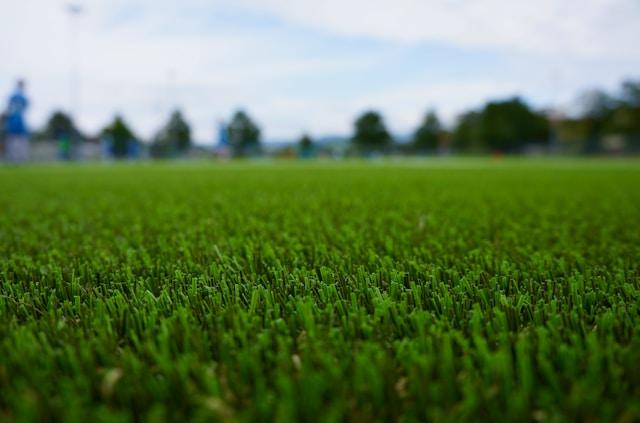
One of the most significant benefits of artificial grass is its ability to maintain a lush, green appearance throughout the year. Unlike natural grass, it does not brown during droughts, require reseeding, or struggle in shaded areas. The uniform look enhances curb appeal and creates a visually pleasing landscape.
Artificial grass significantly reduces the effort needed to maintain an outdoor space. There is no need for regular mowing, fertilizing, or pest control. Occasional brushing and rinsing are typically enough to keep it looking fresh and vibrant.
High-quality artificial grass is designed to withstand heavy foot traffic, pet activity, and outdoor wear and tear. Many types of turf can last 10–15 years with proper care, making them a long-term investment for both residential and commercial properties.
Artificial grass eliminates the need for constant watering, helping property owners save on water bills while supporting environmentally responsible landscaping. It also reduces long-term maintenance costs, including lawn care equipment and chemical treatments.
Artificial turf is safe for children and pets. Many modern options include antimicrobial and non-toxic features, and its soft surface provides a comfortable area for play and recreation. It also minimizes mud and dirt in the yard, making outdoor spaces cleaner.
Artificial grass comes in various styles, each suited to specific landscaping needs. Understanding the differences can help you choose the best option for your property.
Residential turf is designed to replicate the look and feel of a natural lawn. It typically features medium-length blades with a combination of green and brown fibers for realism. This type of artificial grass is perfect for backyards, front lawns, and garden spaces where aesthetics are a priority.
High-traffic turf is engineered for areas that experience frequent foot traffic or heavy usage. It has shorter, stronger blades and reinforced backing to maintain shape and durability over time. Ideal for play areas, patios, or commercial spaces, this turf ensures long-lasting performance.
Luxury turf is designed for visual impact, offering longer blades, higher density, and rich color variations. It is perfect for premium landscapes, rooftop gardens, pool surrounds, and decorative outdoor areas where style and elegance are key.
Pet-friendly turf is engineered to withstand frequent use and easy cleaning. It features effective drainage and antimicrobial properties, making it ideal for households with pets or commercial areas with pet zones.
Sports turf provides durability and resilience for recreational areas such as playgrounds, sports fields, and activity zones. While it emphasizes performance, modern sports turf also maintains a visually appealing finish suitable for landscaped environments.
Selecting the best artificial grass involves more than just choosing a green turf. Here are the key factors to consider:
The length and shape of the grass blades impact both aesthetics and functionality. Shorter blades are suitable for high-use areas and create a neat, manicured look. Longer blades give a lush, natural feel for lawns and decorative spaces. Textured blades that mimic the shape and flexibility of real grass add realism and comfort underfoot.
High-density turf with a higher stitch rate looks fuller and maintains its structure longer. Dense artificial grass provides better resilience against flattening and heavy foot traffic, making it ideal for areas that are frequently used.
Artificial grass is typically made from polyethylene, nylon, or polypropylene. Polyethylene is soft and realistic, nylon offers extreme durability for high-use areas, and polypropylene is more budget-friendly but less resilient. Choosing the right material ensures both comfort and longevity.
Proper drainage is crucial to prevent water accumulation and maintain usability after rain. Look for turf with a perforated backing system that allows water to flow through efficiently. This feature is especially important for commercial landscapes or areas with heavy rainfall.
UV-stabilized artificial grass prevents fading under prolonged sun exposure, keeping your lawn vibrant year-round. Weather-resistant turf performs well in all climates, from hot, sunny regions to areas with heavy rain or frost.
Artificial grass is incredibly versatile and can enhance a wide range of outdoor areas:
Artificial grass transforms traditional lawns into low-maintenance, attractive green spaces. It allows homeowners to enjoy a lush outdoor area for entertaining, relaxing, and recreation without the effort of caring for natural grass.
Play areas benefit from durable and safe turf that withstands active use. Gardens and decorative spaces gain visual consistency and beauty throughout the year.
Around pools and patios, artificial grass provides a non-slip, water-resistant surface. Its clean look complements outdoor living spaces while remaining practical and safe.
Artificial turf can be installed in areas where natural grass cannot grow, such as rooftops and balconies. Lightweight and versatile, it creates a green oasis in compact urban spaces.
Commercial properties, including office buildings, schools, hotels, and public parks, benefit from artificial grass’s durability and low maintenance. It creates professional and visually appealing landscapes while reducing upkeep costs.Installation and Maintenance Tips
Professional installation ensures that artificial grass performs well and looks natural. Proper site preparation, base leveling, edging, and drainage installation are essential for long-term success.
Maintenance is minimal but important for longevity. Routine brushing keeps the blades upright, debris removal prevents buildup, and occasional rinsing maintains cleanliness. Unlike natural lawns, artificial grass requires no mowing, fertilizing, or irrigation.
Artificial grass contributes to sustainable landscaping by conserving water and eliminating chemical treatments. Over time, savings on irrigation, fertilizers, pesticides, and lawn equipment offset the initial installation cost. Its long lifespan and low maintenance make it an environmentally responsible and cost-effective choice.
Artificial grass offers a practical, attractive, and long-lasting solution for transforming outdoor spaces. By choosing the best artificial grass for lawns for your property, you can create lush, safe, and functional lawns, gardens, patios, or commercial landscapes without the challenges of traditional lawn care.
With proper selection, professional installation, and minimal maintenance, artificial grass enhances both residential and commercial properties, providing year-round beauty, durability, and peace of mind. Transform your outdoor spaces today and enjoy green, vibrant landscapes that remain beautiful in every season.