Notifications

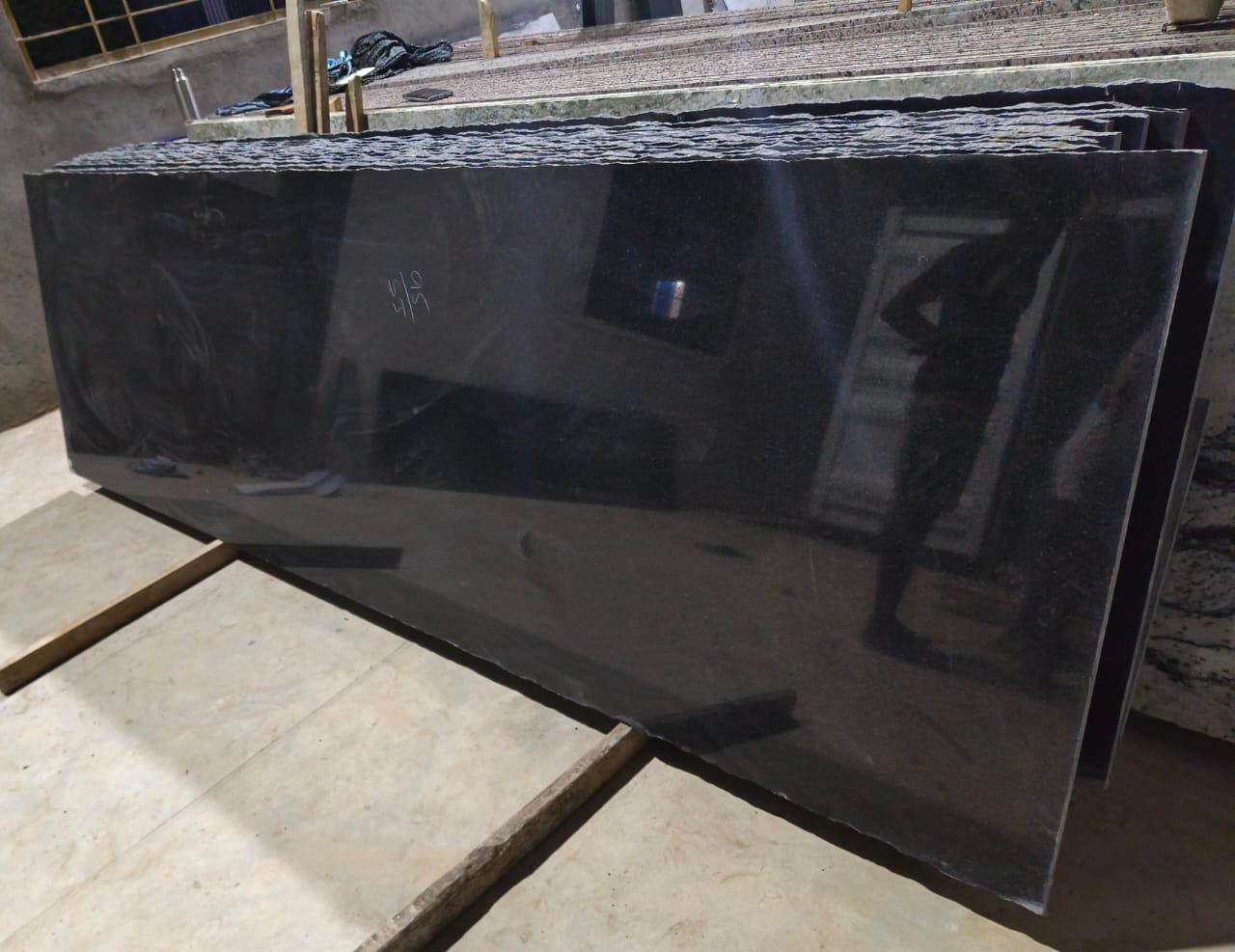
G20 Bengal Black Granite is one of those stones that looks simple at first glance but carries a complex supply story behind it. Buyers see a deep black surface, fine grain structure and strong durability. What they do not always see is the chain of factors that decide whether this stone will remain available at consistent quality year after year. Long term supply stability is not accidental. It is shaped by geology, quarry control processing discipline and exporter reliability.
This article looks closely at what actually controls the long term supply stability of G20 Bengal Black Granite. Not from a brochure angle but from a ground level industry view that buyers, project managers and importers care about.
Everything begins with geology. G20 Bengal Black Granite comes from specific quarry belts in eastern India where the mineral composition produces a dense black appearance with minimal variation. The depth of the black tone and the tight grain structure depend heavily on the block layer being extracted.
Long term supply stability depends on whether the quarry has enough consistent layers left. Some quarries produce excellent stone for a few years and then quality drops as extraction goes deeper. Buyers who understand this ask questions about remaining reserves and block planning.
An export quality granite slab supplier with strong quarry relationships usually knows which layers are stable and which are risky. They plan extraction accordingly. Without this planning supply becomes unpredictable.
One of the biggest threats to long term supply is legal uncertainty. Granite quarries operate under government leases that need regular renewal. If a quarry faces regulatory issues or land disputes supply can stop overnight.
Stable supply of G20 Bengal Black Granite depends on quarries that operate legally with clear ownership and compliance records. Professional marble & granite supplier and exporter companies avoid sourcing from questionable sites even if prices look attractive.
Buyers rarely ask directly about quarry licenses but experienced exporters factor this into their sourcing decisions because one legal shutdown can disrupt multiple export orders.
Not all block extraction is equal. Some quarries focus on volume instead of block integrity. This leads to cracked blocks, internal stress and lower recovery rates.
Long term supply stability improves when quarry operators follow controlled cutting methods, proper spacing and planned block sizes. This protects the stone structure and reduces waste. Higher recovery means more usable G20 Bengal Black Granite blocks from the same quarry area.
When blocks are damaged during extraction it reduces future availability because usable layers are wasted unnecessarily. Over time this affects supply consistency.
Quarrying alone does not guarantee supply. Processing capacity matters just as much. Slabs need to be cut, polished and finished consistently to meet export standards.
An export quality granite slab supplier invests in modern gang saws resin lines and polishing equipment. This ensures that even when raw block quality varies slightly the finished slabs remain within acceptable standards.
Suppliers relying on outdated machinery often struggle to maintain slab thickness, polish uniformity and finish quality. Over time buyers lose confidence and move to more stable suppliers.
Granite processing is not fully automated. Skilled operators play a major role in cutting, polishing and finishing slabs. Labor shortages or high turnover can quietly damage supply stability.
Regions producing G20 Bengal Black Granite depend on experienced workers who understand stone behavior. When labor availability drops production slows and quality becomes inconsistent.
Reliable marble & granite supplier and exporter companies invest in worker retention training and safety. This may not show on invoices but it shows in long term delivery reliability.
Granite processing consumes large amounts of water and power. Interruptions in either directly affect output.
Supply stability depends on whether processing units have reliable water sources, power backups and infrastructure planning. Seasonal water shortages or power cuts can delay shipments and reduce production volume.
Exporters who plan long term often invest in water recycling systems and backup generators. These investments protect supply during regional disruptions.
High demand can be as risky as low demand. When G20 Bengal Black Granite becomes popular in a particular market suppliers sometimes overbook orders beyond safe capacity.
This leads to rushed production, inconsistent quality and missed delivery timelines. Long term supply stability depends on disciplined order acceptance. Professional exporters manage demand carefully instead of chasing every order.
An export quality granite slab supplier who limits bookings to realistic capacity maintains buyer trust and supply consistency.
Consistency over time requires strict quality control. Slabs produced today should match slabs shipped six months later within acceptable variation.
This requires lot wise inspection documentation and reference records. Suppliers maintaining slab libraries and shade references perform better in repeat orders.
Without quality control records supply technically exists but buyers hesitate to place long term contracts due to uncertainty.
Even when stone is ready supply can fail due to logistics issues. Inland transport delays, port congestion and container shortages all affect granite exports.
Long term supply stability depends on exporters with strong logistics planning and buffer timelines. Those who understand shipping cycles avoid last minute chaos.
A marble & granite supplier and exporter experienced in global trade builds relationships with transporters, freight forwarders and port agents. This reduces disruptions across years.
Environmental rules around quarrying are becoming stricter. Water usage, dust control and land rehabilitation requirements affect production pace.
Suppliers who proactively adapt to environmental standards maintain stable operations. Those who ignore regulations face shutdown risks, fines and negative publicity.
Stable supply of G20 Bengal Black Granite increasingly depends on sustainable quarry and processing practices even if buyers do not always see it directly.
Supply stability also depends on basic financial discipline. Exporters operating on thin margins or heavy debt often cut corners.
This results in skipped maintenance, delayed labor payments and inconsistent production. Buyers may not notice initially but problems surface over time.
An export quality granite slab supplier with stable finances invests steadily instead of reacting to short term market swings.
No single quarry or factory controls all supply. Stable exporters build sourcing networks across multiple quarries and processors.
This reduces dependency on one site and protects supply during local disruptions. Buyers working with such suppliers experience fewer interruptions even during regional issues.
A professional marble & granite supplier and exporter sees sourcing as a long term strategy not a short term purchase decision.
Buyers themselves influence supply stability. When buyers share forecasts and project timelines suppliers plan production better.
Last minute bulk orders create pressure and instability. Long term supply improves when buyers and suppliers communicate openly.
Stable partnerships reduce risk on both sides and allow G20 Bengal Black Granite to remain available at consistent quality.
Short term price fluctuations mean little if supply collapses mid project. Buyers who focus only on cost often face delays, shade mismatch and re-sourcing expenses later.
Long term supply stability protects project schedules, budgets and reputations. That is why experienced buyers evaluate suppliers beyond price lists.
G20 Bengal Black Granite remains a strong material choice because of its durability appearance and wide acceptance. But its long term availability is controlled by many interconnected factors.
Geology quarry discipline processing investment labor stability infrastructure compliance logistics and supplier integrity all play a role. When these elements align supply remains steady. When they do not, even popular stones become unreliable.
Buyers who understand these controls make smarter sourcing decisions. Suppliers who respect them build lasting export businesses. In the end long term supply stability is not luck. It is planning discipline and experience working together over time.


