Notifications

14 minutes, 20 seconds
-40 Views 0 Comments 0 Likes 0 Reviews
A fireplace used to mean one thing, a traditional brick or stone box sitting in the center of a wall, framed with a thick mantel and burning either wood or gas. That picture is no longer the only option. The linear fireplace has become one of the most requested design features in modern home construction and renovation, and it looks nothing like the fireplace most people grew up with.
For homeowners who want a fireplace that fits a contemporary interior clean walls, open floor plans, and minimal clutter, a linear model paired with a direct vent gas fireplace system is one of the most practical and visually striking choices available today. This article explains exactly what a linear fireplace is, how it works, what to look for when buying one, and whether it genuinely suits a modern home.
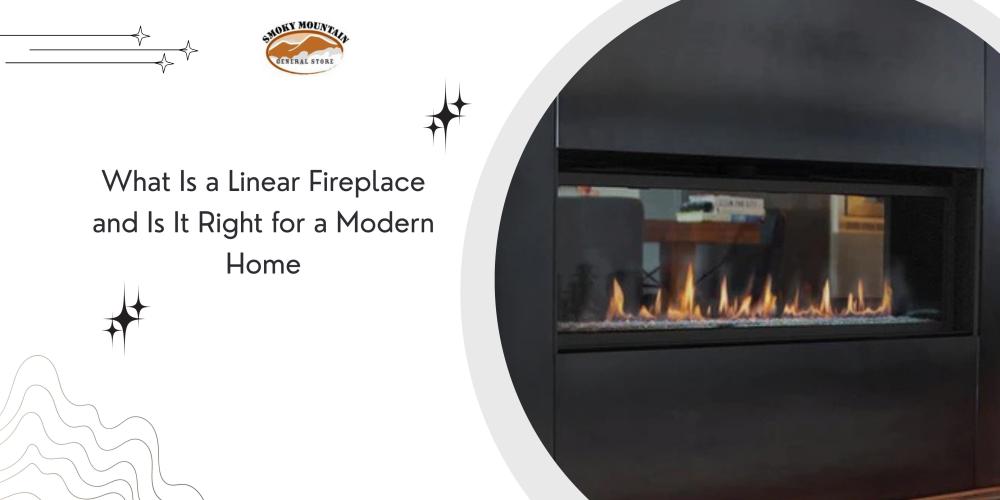
The term linear refers to the shape of the firebox opening. Instead of a square or tall arched opening, a linear fireplace has a wide, horizontal viewing window much longer than it is tall. This wide, low-profile design creates a ribbon of flame that stretches across the wall rather than rising up in a single column.
Linear fireplaces are available in a wide range of widths. Smaller models start around 35 inches wide and are suitable for compact rooms or bedroom walls. Larger models extend to 60, 72, and even 84 inches wide, making them an architectural statement in open-plan living areas. A direct vent fireplace in a linear format uses a sealed combustion system, which means outside air feeds the burner and all exhaust exits through a dedicated pipe keeping indoor air quality completely unaffected.
A direct vent gas fireplace operates through a coaxial venting system a pipe within a pipe. The outer pipe draws fresh air in from outside. The inner pipe exhausts all combustion gases back outside. The result is a completely sealed system where your home's indoor air never interacts with the combustion process.
This makes the direct vent fireplace format particularly well suited to modern homes, which are often built to be airtight for energy efficiency. In a tightly sealed home, a traditional wood-burning fireplace or even a B-vent gas fireplace can struggle with proper drafting. A sealed direct vent system sidesteps this problem entirely because it creates its own independent airflow loop.
Key operational features of a linear direct vent gas fireplace include:
• Sealed combustion chamber: No indoor air is consumed during operation, which protects both air quality and heating efficiency.
• Flexible venting routes: Venting can run horizontally through an exterior wall or vertically through the roof, giving installers flexibility in placement.
• Electronic or millivolt ignition: Most modern linear models use electronic ignition for easy startup. Millivolt systems offer backup functionality during power outages.
• Blower fan included: Many models include a built-in blower that circulates warm air into the room more effectively than radiant heat alone.
• Remote control operation: Full-function remotes allow homeowners to adjust flame height, fan speed, and lighting from across the room.
Modern interior design favors clean lines, open space, and minimal ornamentation. A linear fireplace complements this aesthetic in ways a traditional square firebox simply cannot. Below are the specific design characteristics that make linear models a natural fit for contemporary homes.
Linear fireplaces are designed to sit flush with or recessed into the wall surface. This eliminates the need for a projecting mantel and creates a seamless appearance where the fireplace feels like part of the wall itself rather than a piece of furniture added to it.
Many premium linear models feature a clean face design meaning there is no visible framing around the glass. The flame appears to float directly within the wall, which creates a dramatic visual effect that works particularly well in rooms with neutral color palettes and flat-finish wall surfaces.
While traditional fireplaces use ceramic gas logs to mimic a wood fire, most linear models use glass media crushed glass, river rock, or reflective crystals arranged on the floor of the firebox. The wide horizontal format allows the flame to spread across the entire glass bed, creating a continuous band of fire that looks striking from across a large room.
Selecting the right width is one of the most important decisions when buying a linear fireplace. A model that is too narrow for the wall looks out of place. A model that is too wide can overwhelm a smaller room. The following size ranges provide a practical starting point.
• 35 to 45 inches: Suitable for bedrooms, home offices, dining rooms, and smaller living areas. These compact linear models heat efficiently and provide strong visual impact without dominating the wall.
• 48 to 60 inches: Ideal for standard living rooms and open-plan spaces up to approximately 400 square feet. This mid-range size is the most commonly installed in residential new construction.
• 72 to 84 inches: Best suited for large open-plan living areas, great rooms, and luxury master bedrooms. These statement-sized fireplaces function as the architectural centerpiece of the entire room.
Homeowners with an existing fireplace opening have the option of upgrading with Direct Vent Fireplace Inserts Gas units, which slide into the existing firebox and convert it to a sealed gas system. A Direct Vent Fireplace Insert is a cost-effective route for older homes where a full rebuild is not practical.
A purpose-built linear direct vent unit, on the other hand, is installed during construction or renovation into a purpose-framed wall cavity. It is the preferred choice for new builds and full renovations because it allows the fireplace to be positioned anywhere in the home, not just where a chimney already exists. Direct Vent Fireplace Inserts and built-in linear units both use the same sealed combustion technology, but the installation process and placement flexibility are quite different.
A linear fireplace is a strong choice for specific situations. It is not the right fit for every home. The following points help clarify when a linear model makes the most sense.
• Your home has a contemporary or minimalist interior design with flat walls, neutral colors, and clean architectural lines.
• You are building a new home or undertaking a major renovation that includes wall framing and rough-in work.
• Your living area is open-plan and you need a fireplace that can serve as a visual anchor from multiple seating positions.
• You want glass media rather than traditional gas logs as the decorative focal point inside the firebox.
• You prefer the flame to spread horizontally across a wide surface rather than rise vertically.
• Your home has a traditional, farmhouse, or transitional interior style where a rectangular firebox with a mantel feels more appropriate.
• You want the visual warmth of gas logs rather than glass media inside the firebox.
• You are working with an existing fireplace opening and prefer a Direct Vent Fireplace Insert over a full rebuild.
• Your wall space is limited and a tall opening provides better visual proportion than a wide horizontal format.
Selecting the Best Direct Vent Gas Fireplace in a linear format requires attention to several practical details beyond visual appearance. The following checklist covers the key factors to evaluate before purchasing.
• BTU output and room size match: Confirm the fireplace's heat output is appropriate for the square footage of the room where it will be installed. Undersized units heat poorly; oversized units create uncomfortable temperature spikes.
• Venting configuration compatibility: Determine whether horizontal wall venting or vertical roof venting suits your home's layout before selecting a model. Some longer vent runs require a Power Vent Kit.
• Glass media options: Most linear models allow you to choose between different glass media colors and textures. Confirm the available media options before purchasing to ensure they match your interior.
• Ignition system type: Electronic ignition is convenient under normal conditions. Millivolt ignition is the reliable choice for homes in areas where power outages are common.
• Floor lighting features: Some premium linear models include floor lighting that illuminates the glass media from below, creating a more dramatic flame appearance in dimly lit rooms.
• See-through option availability: Certain linear models can be configured as see-through units, visible from two adjoining rooms simultaneously. This is a valuable feature for open-plan layouts with a shared wall between a kitchen and living area.
A linear fireplace is not a trend. It is a practical, well-engineered heating solution that genuinely suits the way modern homes are designed and lived in. The wide horizontal format, flush wall installation, glass media interior, and sealed direct vent gas fireplace technology combine to produce a product that is both visually impressive and functionally reliable. Whether you are furnishing a compact bedroom with a 35-inch model or anchoring a large open-plan living area with an 84-inch statement unit, the linear format delivers heat and design in equal measure.
For homeowners who already have a traditional firebox and want to upgrade without a full rebuild, a Direct Vent Fireplace Insert offers a sealed gas conversion that improves both safety and efficiency immediately. For those starting fresh, a purpose-built linear direct vent fireplace gives the most flexibility in placement, sizing, and design.
Smoky Mountain General Store carries a full selection of linear direct vent gas fireplace models from Superior and Majestic, ranging from compact 35-inch units to the impressive 84-inch DRL6084. The collection also includes Direct Vent Fireplace Inserts Gas options for homeowners looking to upgrade existing openings. Every model in the collection is in stock, ships via free freight on qualifying orders, and is backed by manufacturer warranties making it a reliable starting point for any modern fireplace project.
direct vent gas fireplace Best Direct Vent Gas Fireplace Direct Vent Fireplace Insert