

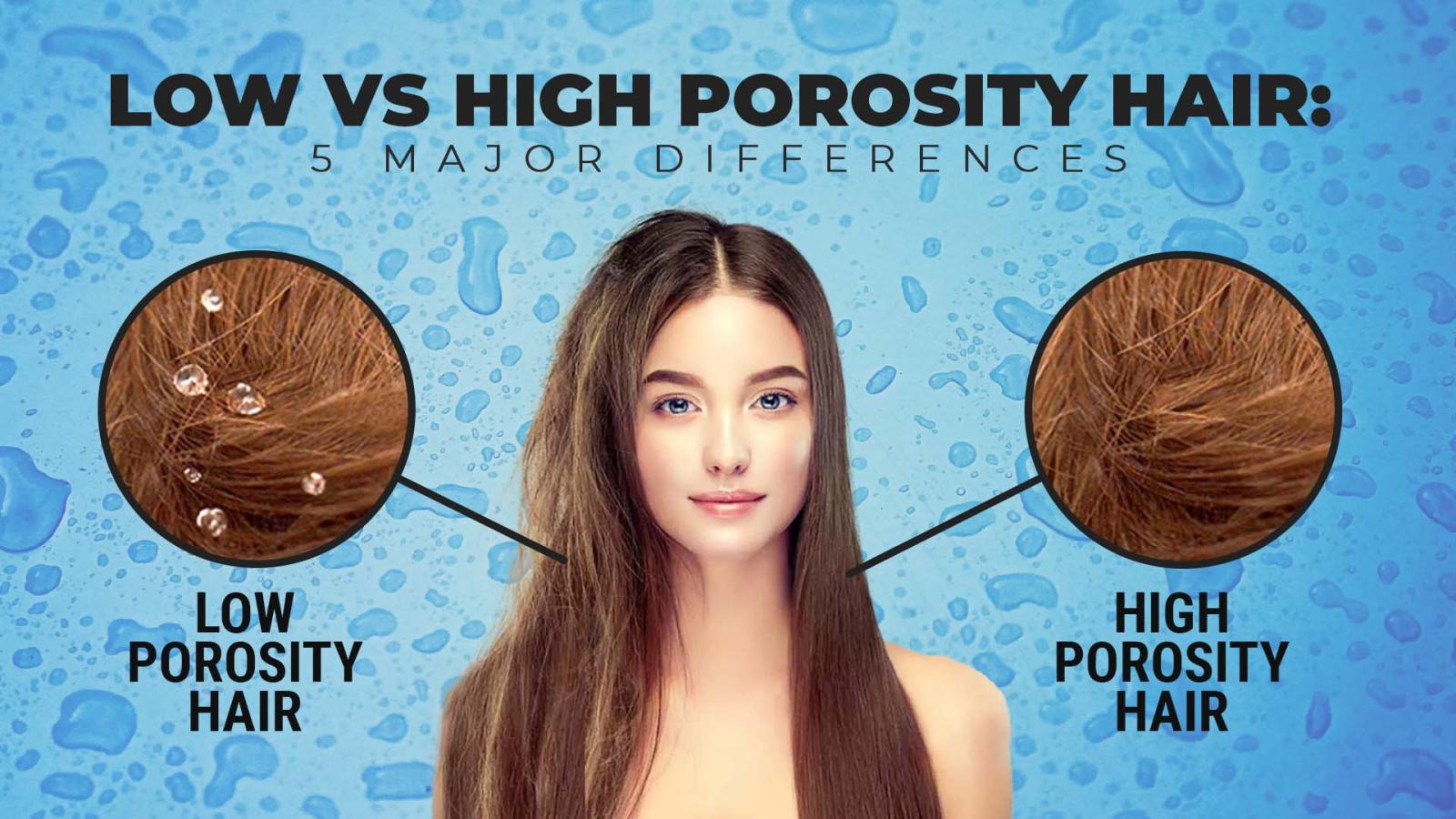
Hair structure plays an important role in determining how well it retains moisture and responds to styling or treatments. High porosity hair refers to hair that has raised or widely spaced cuticles, which allows moisture to enter easily but also escape quickly. Because of this structure, people with high porosity hair often notice that their hair absorbs water or products rapidly but becomes dry again within a short time.
Understanding high porosity hair is essential for creating a healthy hair care routine. When the cuticle layer is open or damaged, the hair becomes more vulnerable to environmental stress, heat styling, and chemical treatments. Learning how high porosity hair behaves helps individuals choose the right products and habits that support long-term hair strength and overall hair care within the broader perspective of health and wellness.
Understanding High Porosity Hair and Its Characteristics
High porosity hair is typically characterized by its ability to absorb moisture quickly due to gaps or lifted areas in the cuticle layer. This structure may occur naturally due to genetics, but it can also develop over time as a result of chemical processing or heat damage. When hair has these open cuticles, moisture and oils move in and out of the strands more easily than in other hair types.
People with high porosity hair may notice certain signs such as frequent dryness, tangling, or frizz. These characteristics happen because the hair strand struggles to hold onto hydration. Many individuals exploring better hair routines as part of a health and wellness lifestyle learn that understanding hair porosity can help them build a routine that protects and strengthens their hair over time.
Signs That Indicate This Hair Type
One of the most common signs of high porosity hair is how quickly it becomes wet and how fast it dries. When hair absorbs water rapidly during washing but dries almost immediately afterward, it may indicate that the cuticle layer is not tightly sealed. This rapid moisture cycle often leads to dryness, especially in climates with low humidity.
Another noticeable sign is a tendency toward frizz and tangling. Because the cuticles are raised, strands may rub against each other more easily. People with high porosity hair often find that their hair responds well to deep conditioning treatments that help smooth the cuticle and support better moisture balance.
How Porosity Affects Moisture Retention
Moisture retention is one of the biggest challenges associated with high porosity hair. While the hair initially absorbs water and conditioning products quickly, it also loses that moisture just as fast. This can leave the hair feeling dry or brittle even after conditioning.
Maintaining proper hydration becomes a key goal for those with this hair type. Hair care routines that support moisture retention can improve texture, shine, and strength. In many discussions about beauty routines connected to health and wellness, maintaining hydrated hair is considered an important aspect of overall personal care.
Common Causes of Hair Porosity
Several factors contribute to the development of high porosity hair. One major factor is repeated chemical processing such as bleaching, coloring, or relaxing treatments. These processes can weaken the cuticle layer and create openings that allow moisture to pass through the strand more easily.
Environmental exposure can also affect hair structure over time. Sun exposure, pollution, and harsh weather conditions can gradually damage the outer layer of the hair. As the cuticle becomes worn, high porosity hair becomes more likely to develop.
Effects of Heat Styling and Chemical Treatments
Frequent heat styling tools such as flat irons, curling irons, and blow dryers can gradually weaken the hair’s protective layer. Excessive heat causes the cuticle to lift, which contributes to the development of high porosity hair.
Chemical treatments often accelerate this process. Bleaching and coloring can break down the natural proteins in hair strands, leaving them more porous. Over time, this damage makes it harder for hair to retain moisture and maintain a smooth texture.
Genetic and Environmental Factors
Some individuals naturally have high porosity hair due to genetic factors. Hair texture, density, and cuticle structure are often inherited traits that influence how hair behaves. In these cases, the hair may have a naturally raised cuticle pattern even without significant damage.
Environmental conditions also play a role in hair health. Exposure to wind, sun, and humidity changes can weaken the hair structure over time. Adopting protective hair care habits as part of a health and wellness routine can help minimize the effects of these external factors.
How to Care for High Porosity Hair
Caring for high porosity hair requires a routine that focuses on moisture retention and cuticle protection. Using products designed to seal moisture into the hair shaft can help maintain hydration for longer periods. Leave-in conditioners and nourishing oils are often recommended because they create a barrier that slows moisture loss.
Consistent hair care habits also make a significant difference. Regular deep conditioning treatments and gentle handling can help maintain strength and flexibility. Individuals who focus on healthy beauty routines within health and wellness practices often find that consistent care leads to noticeable improvements in hair quality.
Best Products and Ingredients to Use
Choosing the right ingredients can make managing high porosity hair easier. Products containing proteins, natural oils, and moisturizing ingredients can help strengthen the hair shaft while improving moisture balance. Ingredients such as shea butter, coconut oil, and aloe vera are commonly used in hair care routines for porous hair.
Deep conditioners and masks also provide benefits by smoothing the cuticle layer. When used regularly, these treatments can reduce frizz and improve overall hair texture. Proper product selection helps protect hair strands and maintain hydration.
Daily Habits That Support Healthy Hair
Daily habits play a crucial role in maintaining strong hair. Gentle detangling, protective styling, and reducing heat exposure can help prevent further cuticle damage. People with high porosity hair often benefit from air drying their hair instead of using excessive heat.
Protecting the hair at night can also support long-term health. Using silk or satin pillowcases helps reduce friction and prevent moisture loss. Small adjustments like these can help maintain smoother and more manageable hair over time.
Final Thoughts
Understanding hair porosity is an important step toward building an effective hair care routine. When people recognize the characteristics of their hair type, they can choose treatments and habits that support better hydration and protection. High porosity hair requires consistent care, but the right routine can significantly improve its strength and appearance.
Conclusion
High porosity hair occurs when the cuticle layer of the hair strand becomes raised or damaged, allowing moisture to move in and out quickly. While this hair type may require additional care, proper hydration, protective styling, and thoughtful product choices can help maintain healthy and manageable hair. By incorporating these strategies into a broader approach to health and wellness, individuals can support both hair strength and overall personal care for long-term results.


