Losing precious photos due to accidental deletion, system crashes, or corrupted storage devices can be a stressful experience. Fortunately, photo recovery software offers a practical solution, helping users restore lost images efficiently. Understanding what makes this software effective can help individuals make informed decisions and increase the likelihood of successful recovery.
User-Friendly Interface
One of the key factors that makes
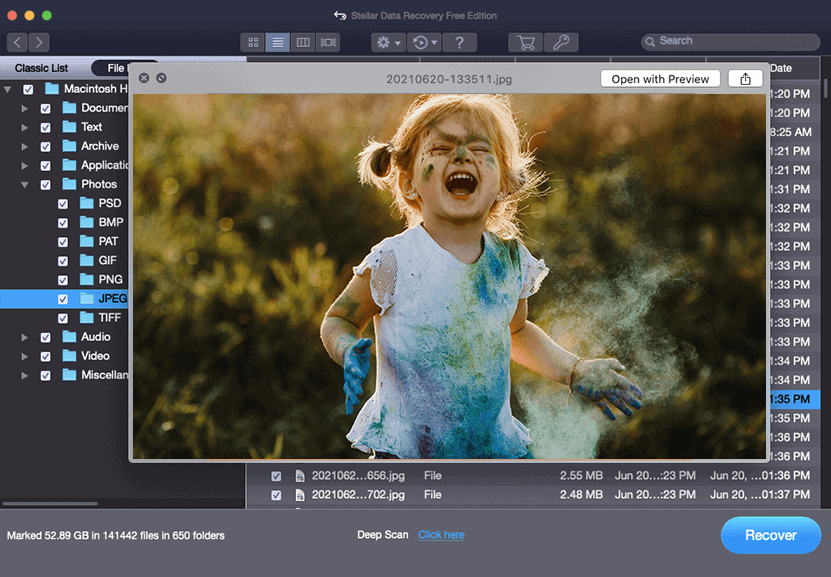
photo recovery software effective is a user-friendly interface. Software that is intuitive allows even those with limited technical knowledge to navigate the recovery process without confusion. Clear instructions, simple menus, and step-by-step guidance reduce errors and help users locate and restore their images quickly. The easier the software is to use, the less time is wasted, and the higher the chances of recovering all desired files.
Compatibility Across Systems
Effective photo recovery software is compatible with multiple operating systems and storage devices. Whether photos are stored on a computer, external hard drive, USB flash drive, or memory card, recovery software should be able to scan and retrieve files reliably. Additionally, cross-platform compatibility ensures that users on Windows, Mac, or other operating systems can access the same recovery tools without encountering limitations. This flexibility is crucial in today’s environment, where images are often stored in diverse locations.
Advanced Scanning Capabilities
The ability to perform deep and comprehensive scans is another hallmark of effective photo recovery software. Simple or surface-level scans may miss files that have been partially overwritten or lost due to complex system issues. Advanced scanning techniques examine the storage device at multiple levels, locating recoverable photos even in challenging situations. Software that can detect a wide variety of image formats also increases recovery success, as users often work with multiple types of media files.
Efficient Recovery Process
Speed and reliability are important when restoring lost photos. Effective photo recovery software strikes a balance between thorough scanning and fast processing. Slow software may frustrate users and reduce the likelihood of complete recovery, especially when handling large photo libraries. Efficient software completes the restoration process in a reasonable timeframe without compromising accuracy, allowing users to regain access to their memories promptly.
Data Safety and Integrity
An often-overlooked aspect of photo recovery software is its approach to data safety. Good recovery software ensures that the process does not damage existing files or overwrite recoverable data. Maintaining the integrity of photos during recovery is crucial, as partially restored or corrupted files can defeat the purpose of using the software in the first place. By prioritizing safe handling of storage devices, software provides a reliable solution for sensitive or irreplaceable images.
Support and Guidance
While ease of use is important, access to guidance and support can enhance the effectiveness of photo recovery software. Documentation, tutorials, and responsive customer support help users navigate complex recovery scenarios and troubleshoot potential issues. This ensures that even in challenging cases, users have resources to maximize the software’s potential.
Photo recovery software is most effective when it combines simplicity, compatibility, advanced scanning, speed, data integrity, and adequate support. By understanding these elements, users can approach photo recovery with confidence, knowing that lost images have a strong chance of being restored. As digital memories continue to hold personal and professional value, choosing software that meets these standards helps ensure that valuable photos are not permanently lost.



 900-1996: Beginner to Pro Trading Guide (2026 Edition))
 Email Password)


