Notifications

6 minutes, 17 seconds
-59 Views 0 Comments 0 Likes 0 Reviews
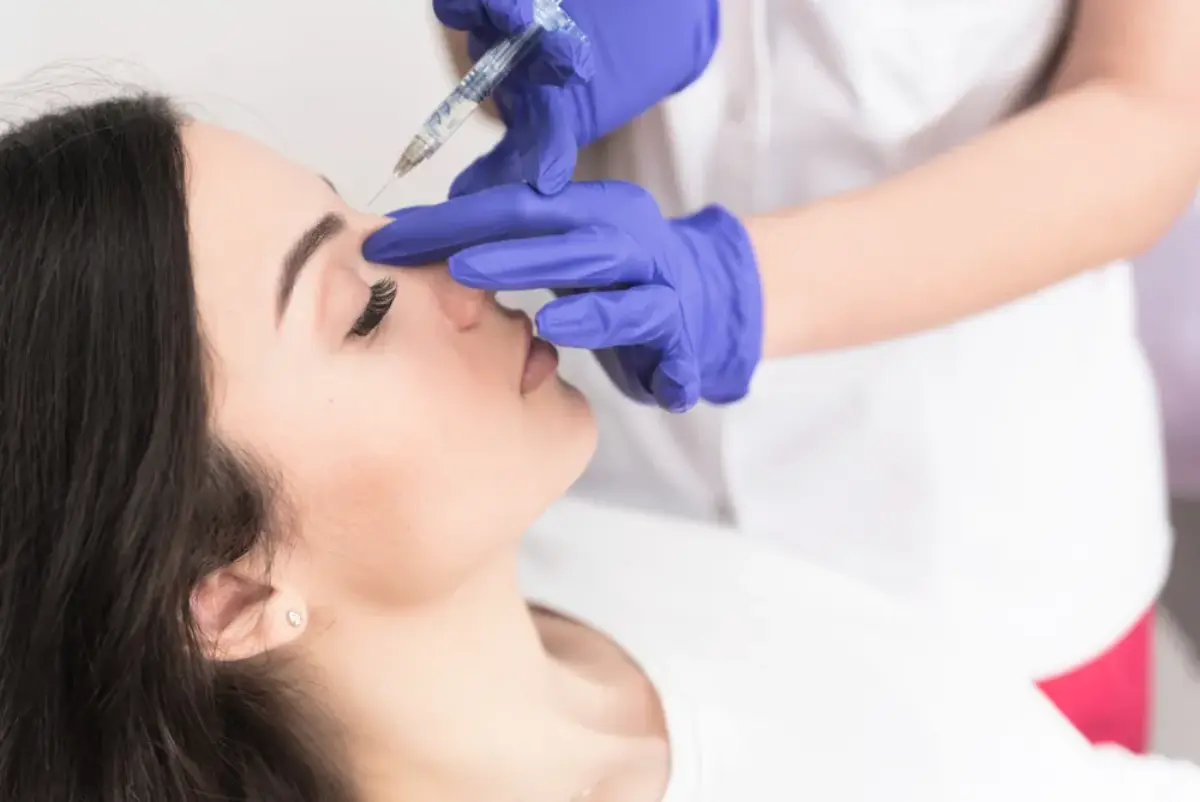
For individuals looking to enhance their nasal appearance without surgery, non surgical rhinoplasty filler has become a popular option. Liquid rhinoplasty, also called a liquid nose job, allows patients to reshape, lift, or smooth the nose using injectable fillers. While it is minimally invasive and provides immediate results, not everyone is an ideal candidate. Understanding the characteristics of a suitable patient, as well as the procedure’s limitations, is crucial for achieving safe and satisfying outcomes.
Liquid rhinoplasty works best for certain cosmetic objectives. Key points include:
Smoothing minor bumps along the nasal bridge
Lifting a drooping nasal tip to improve facial profile
Correcting mild asymmetries for a balanced appearance
Enhancing nasal contours without altering bone structure
Creating a more harmonious proportion between the nose and other facial features
Patients with subtle concerns often see the most natural-looking results with non surgical rhinoplasty filler.
Certain age and skin factors influence candidacy. Considerations include:
Adults with fully developed facial structures are the best candidates
Skin elasticity affects how well fillers integrate and maintain shape
Younger adults may benefit from temporary, reversible enhancements
Older adults with thinner or less elastic skin may require specialized techniques for optimal results
Evaluating age and skin quality helps providers predict results and minimize complications.
A patient’s overall health plays a key role in eligibility. Key points include:
Good general health with no active infections or chronic illnesses in the treatment area
No history of severe allergies to filler ingredients
Absence of bleeding disorders or medications that increase bruising risk
Open communication about previous cosmetic procedures or nasal surgeries
A thorough medical history ensures that non surgical rhinoplasty filler can be administered safely.
Candidates must have clear and achievable goals. Considerations include:
Understanding that liquid rhinoplasty cannot reduce bone or dramatically alter nasal structure
Recognizing that results are temporary, typically lasting 6–18 months
Accepting subtle changes rather than drastic transformations
Willingness to schedule maintenance treatments if desired
Patients with realistic expectations are more likely to be satisfied with the procedure.
Past nasal surgeries can affect candidacy. Key points include:
Patients with minor revisions or healed surgical sites may still be suitable
Scarring or structural changes may influence filler placement and results
Experienced providers can evaluate surgical history and adjust treatment plans accordingly
Clear discussion of prior procedures helps ensure safe and effective injections
Assessing surgical history allows for tailored approaches and minimizes risk.
Emotional and psychological factors contribute to success. Considerations include:
Patients should seek the procedure for personal satisfaction, not external pressure
Comfort with minor swelling or temporary asymmetry is necessary
Understanding the reversible nature of filler provides peace of mind
Open communication with the provider ensures expectations align with achievable results
Psychologically prepared patients are more likely to appreciate subtle aesthetic improvements.
Certain nasal concerns respond best to non surgical rhinoplasty filler. Key points include:
Dorsal bridge irregularities and small bumps
Slightly drooping nasal tip elevation
Mild asymmetry correction or contour refinement
Minor volume adjustments to balance facial proportions
Targeting appropriate areas ensures natural, harmonious results without surgical intervention.
Not every patient is a candidate due to procedure limitations. Considerations include:
Major structural issues or significant bone irregularities require surgical rhinoplasty
Severe functional concerns, like breathing difficulties, may not be resolved with filler alone
Patients seeking permanent, dramatic changes are better suited for surgery
History of severe filler reactions or compromised nasal tissue may preclude treatment
Acknowledging limitations prevents dissatisfaction and prioritizes patient safety.
A professional evaluation is critical to determining suitability. Key points include:
Consultation with a board-certified or experienced provider to assess anatomy and goals
Discussion of filler types, procedure technique, risks, and recovery
Customized treatment plan based on nasal shape, skin type, and desired outcome
Opportunity to ask questions and set realistic expectations before proceeding
Professional guidance ensures that candidates meet criteria for a safe and effective liquid rhinoplasty experience.
Liquid rhinoplasty using non surgical rhinoplasty filler is ideal for individuals seeking subtle, reversible nasal enhancements without the downtime or risks of surgery. Good candidates typically have minor cosmetic concerns, healthy skin, realistic expectations, and no contraindicating medical conditions. Assessing facial goals, medical history, and psychological readiness allows providers to deliver natural-looking results safely. With careful consultation and professional administration, liquid rhinoplasty can offer a convenient, minimally invasive option for improving nasal contours and enhancing overall facial harmony.
Liquid Rhinoplasty Non-surgical rhinoplasty Non-surgical nose job Nose filler Dermal filler nose job Non-surgical nose reshaping Injectable rhinoplasty Non-surgical nose enhancement Liquid nose job Non-surgical nose lift


