Notifications

10 minutes, 1 second
-52 Views 0 Comments 0 Likes 0 Reviews
Maya stood in the skincare aisle, holding two nearly identical bottles. Both promised clear, radiant skin. Both claimed to suit “all skin types.” Yet her past purchases told a different story redness, breakouts, and wasted money. She sighed, placed one bottle back, and realized she needed a better way to choose what her skin actually needed.
Her experience reflects a common problem. Many people buy products based on trends, packaging, or recommendations that do not match their skin. The right approach begins with clarity about your own skin and a careful selection process. When you choose products that match your skin type, you not only improve results but also prevent long-term damage.
Maya returned home and stood in front of the mirror. She washed her face with a gentle cleanser and waited for 30 minutes without applying anything. This simple step revealed more than any advertisement ever could.
Her cheeks felt tight, while her forehead looked slightly shiny. She realized she had combination skin dry in some areas and oily in others.
You can follow the same method. Cleanse your face and observe how it behaves without products. Skin types generally fall into five categories:
When you identify your skin type, you set a strong foundation for choosing the right products.
Maya had combination skin, but she also noticed occasional breakouts and dullness. Skin type alone does not tell the whole story. You also need to consider specific concerns such as acne, pigmentation, fine lines, or sensitivity.
For example, someone with oily skin may still need hydration, while someone with dry skin may also deal with acne. The key lies in selecting products that address both your type and your concerns.
Maya wrote down her priorities: control oil in her T-zone, hydrate dry areas, and prevent breakouts. This clarity helped her avoid unnecessary purchases.
On her next visit to the store, Maya no longer looked at brand names first. She turned each bottle around and read the ingredients.
Ingredients tell you what a product can actually do. For oily skin, look for lightweight, non-comedogenic formulas. Ingredients like salicylic acid or niacinamide help control oil and prevent clogged pores. For dry skin, ingredients like hyaluronic acid and glycerin provide hydration.
Maya learned to avoid alcohol-heavy products that dried out her cheeks. She also skipped thick creams on her forehead.
Reading labels requires patience, but it protects your skin from irritation and wasted effort.
In the past, Maya often bought full-size products and regretted them later. This time, she chose sample sizes and performed patch tests.
She applied a small amount of product behind her ear and waited 24 hours. When no irritation appeared, she tested it on her face.
Patch testing prevents reactions and gives you confidence in your choices. Even products labeled for your skin type may not suit you personally.
Maya once followed a complicated routine with ten different products. It left her skin confused and irritated. This time, she took a different approach.
She started with three basics:
These form the backbone of any effective routine. Once her skin adjusted, she added a treatment serum for breakouts.
A simple routine allows you to track how each product affects your skin. When you introduce too many products at once, you lose control over the results.
A few months later, winter arrived. Maya noticed her skin felt drier than usual. The products that worked in summer no longer felt sufficient.
Skin changes with weather, humidity, and lifestyle. You need to adjust your routine accordingly. In colder months, richer moisturizers help protect the skin barrier. In warmer weather, lightweight formulas work better.
Maya replaced her gel moisturizer with a cream-based one during winter. Her skin responded well, and she avoided the dryness she once struggled with.
Maya’s friends often talked about viral skincare products. Some swore by strong exfoliants, while others recommended oils.
In the past, she followed these trends without thinking. This time, she paused and asked a simple question: “Does this suit my skin?”
Not every popular product will work for you. Strong exfoliants may damage sensitive skin. Heavy oils may clog pores for oily skin types.
Trends change quickly, but your skin requires consistency and care. Stay focused on what works for you.
After months of trial and improvement, Maya still struggled with occasional acne. She decided to consult a dermatologist.
The doctor examined her skin and recommended specific treatments tailored to her condition. This step gave her clarity and saved time.
Professional advice becomes important when over-the-counter products fail or when you deal with persistent issues. A dermatologist can guide you toward solutions that match your skin’s needs.
Maya once expected instant results. When a product did not work within a week, she replaced it. This habit caused more harm than good.
Skincare requires consistency. Most products take several weeks to show visible results. When you switch too often, your skin cannot adjust.
Maya committed to using her routine for at least six weeks before making changes. This patience brought noticeable improvement.
As Maya’s skin improved, she realized something important. No single product works for everyone. Each person’s skin has unique needs shaped by genetics, environment, and lifestyle.
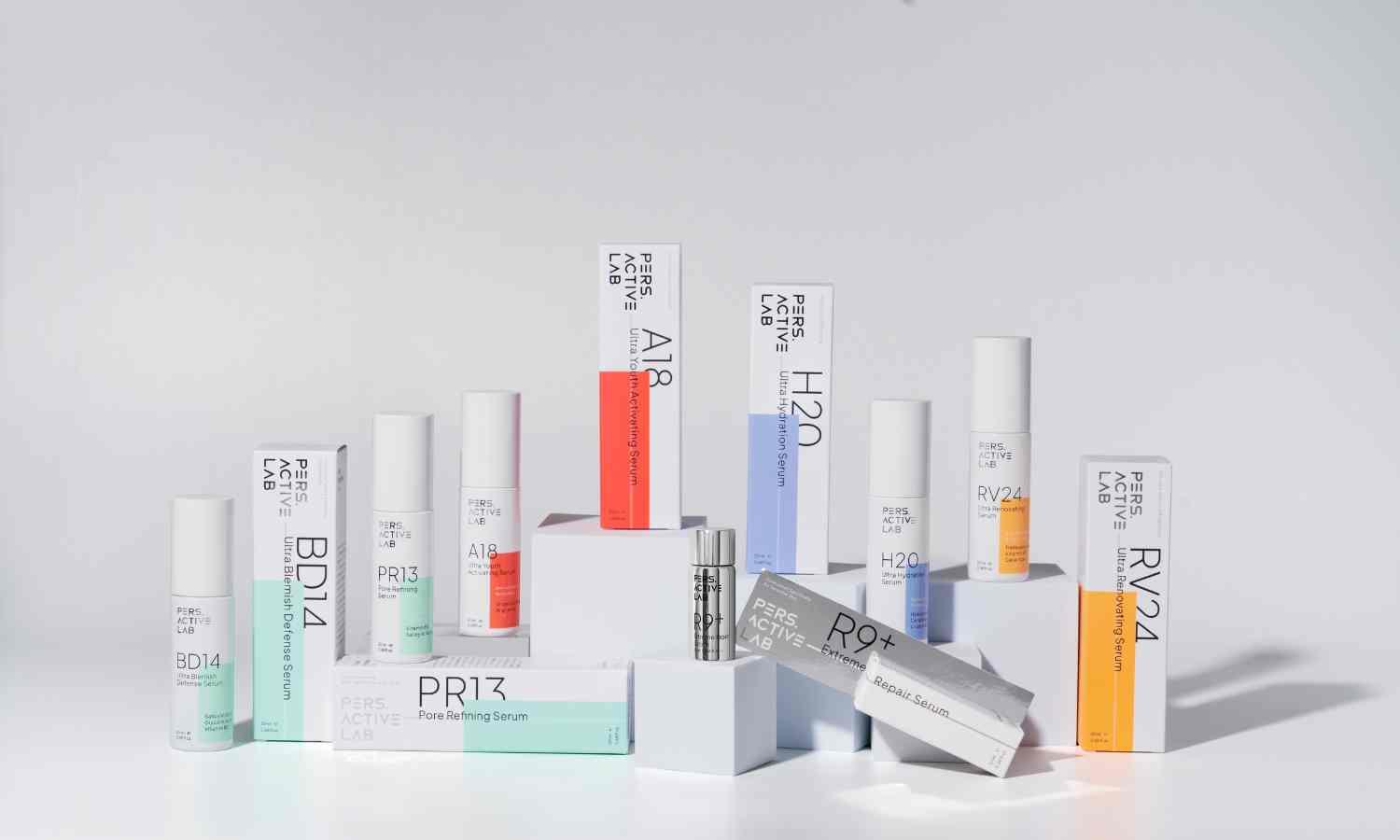
This realization led her to focus on personalized skin care products rather than generic solutions. These products align with individual skin profiles and deliver better results.
Over time, she built a routine that felt reliable and effective. Her confidence grew, not because of expensive brands, but because she made informed choices.
One evening, Maya noticed slight irritation after trying a new serum. Instead of ignoring it, she stopped using the product immediately.
Your skin communicates through changes—redness, dryness, or breakouts. When you listen and respond quickly, you prevent bigger problems.
Maya replaced the serum with a gentler option. Within days, her skin returned to normal.
Maya’s journey from confusion to clarity did not happen overnight. She learned through observation, patience, and informed decisions. Her story shows that finding the right skincare products does not require luck. It requires attention and care.
When you identify your skin type, address your concerns, read labels, and stay consistent, you create a routine that works. Avoid shortcuts and focus on what suits your skin.
In the end, the shift toward personalized skin care products made the biggest difference for Maya. It allowed her to move away from guesswork and toward results that truly matched her needs.
The next time you stand in front of a shelf full of options, remember Maya’s approach. Look beyond promises and choose what your skin actually needs.