Notifications

11 minutes, 13 seconds
-46 Views 0 Comments 0 Likes 0 Reviews
It usually happens at the worst possible moment. You’re halfway through prepping a Sunday roast, or you’ve just stumbled into the kitchen at 6:00 AM desperate for a caffeine hit, and your appliance decides to call it quits. There’s a sputter, a sad mechanical groan, and then silence. For many, the immediate reaction is a mix of frustration and a strange sense of resignation. We’ve been conditioned to think that when a modern gadget fails, it’s destined for the bin.
The "throwaway culture" is a real problem, and not just for the environment. It’s a drain on your bank account. We often assume that because a toaster or a blender costs less than a few hundred dollars, it’s not worth the effort to save. But that’s a trap. Most high-quality kitchen appliances—the ones from brands that actually have a reputation to protect—are designed to be maintained. They aren’t disposable toys. They’re tools. And like any tool, they need a bit of looking after to keep them from ending up in a landfill in Victoria.
Why do we jump so quickly to buying a replacement? Part of it is the lure of the "new." Manufacturers spend millions on marketing to make us believe the latest model with the extra LED screen will somehow make our toast better or our smoothies smoother. But the truth is, the internal mechanics of a high-end mixer or coffee machine haven't changed that much in decades. A well-built motor is a well-built motor.
If your machine has served you well for five years, it has already proven its worth. Buying a cheap replacement often leads to a cycle of failure every eighteen months. You’re far better off sticking with a piece of equipment that has "good bones." Often, the "broken" appliance isn't actually broken in the catastrophic sense. It’s usually just a single component—a worn-out seal, a blown thermal fuse, or a cracked plastic gear—that has reached the end of its natural life.
We’re all guilty of it. We use our coffee machines every single day, multiple times a day, but we only think about descaling them when the "warning" light starts flashing (or when the coffee starts tasting like burnt rubber). Neglect is the primary killer of kitchen tech. In Australia, depending on where you live, the mineral content in the water can be quite high. This "hard water" creates scale buildup inside the boilers and pipes of espresso machines. Eventually, that scale breaks off and clogs the tiny valves.
It’s the same with food processors and mixers. We overload the bowl, strain the motor, and then wonder why the gears start stripping. A little bit of mindfulness goes a long way. This isn't about being obsessed with cleaning; it’s about understanding that these machines have limits. If you hear the motor straining, back off. If it’s been six months since you cleaned the filters in your vacuum, give them a wash. These five-minute tasks can add years to the lifespan of your gear.
When something does go wrong, the first step is a proper diagnosis. Don't just bin it because it won't turn on. Check the basics. Is the plug fuse okay? Is there a reset button on the bottom? Sometimes, modern appliances have safety cut-offs that trigger if the unit overheats. Giving it an hour to cool down might be all it needs.
If it’s a mechanical failure, that’s when you need to look at parts. This is where people often get nervous. There’s a fear that opening up a machine will lead to a mess of springs and screws that can never be put back together. While some DIY is fine—like replacing a carafe, a filter basket, or a detachable blade—anything involving the electrical internal wiring should be handled by someone who knows what they’re doing. According to Sustainability Victoria, repairing products instead of replacing them is one of the most effective ways to reduce your personal environmental footprint. It’s worth the effort.
There is a massive market for "compatible" or "third-party" parts online. They look the same in the photos, and they’re often half the price. But there’s a reason for that price gap. Cheap knock-offs often use inferior plastics that can’t handle the heat of a kitchen environment or metals that corrode quickly.
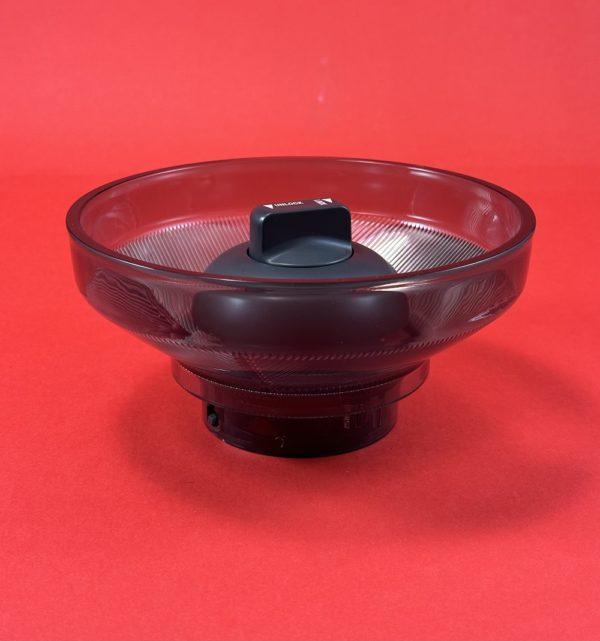
If you own a Breville, for example, you know those machines are built to high specifications. They use specific pressures and temperatures to get that perfect crema. Using a generic pump or a low-grade silicone seal might save you $20 today, but if it leaks and shorts out the main PCB, you’ve just turned a minor repair into a total loss. To ensure your machine performs the way the engineers intended, you really should insist on using genuine Breville spare parts whenever possible. It’s about more than just fitment; it’s about the integrity of the materials.
Genuine parts are manufactured to the same tolerances as the originals. They’ve been tested for food safety and heat resistance. When you swap in a factory-spec part, you aren't just patching the machine; you’re restoring it to its original factory condition.
There’s a certain pride in fixing things yourself, but you have to be realistic about your skills. Messing around with a microwave or the high-voltage side of a coffee machine is genuinely dangerous. 240V isn't something to play with on a Saturday afternoon if you aren't sure what you're doing.
That’s where an authorised service agent comes in. A good repair centre doesn't just swap parts; they look for the root cause of the failure. Maybe that seal failed because the pressure stats are set too high, or perhaps a cooling fan isn't working correctly. An experienced technician (someone who has spent decades looking at these specific brands) will spot those issues instantly.
When looking for a repairer, experience is everything. You want a team that has seen the evolution of these machines over the years. A shop that has been around since the 70s, for instance, has a depth of knowledge that a "jack-of-all-trades" handyman simply won't have. They’ll have the specialised tools and direct access to manufacturer databases. CHOICE Australia often highlights that while professional repairs have a cost, the reliability and safety of the result far outweigh the risk of a botched DIY job.
At the end of the day, being a "smart consumer" isn't about finding the cheapest deal. It’s about value over time. If you buy a high-quality Sunbeam or KitchenAid appliance and maintain it properly, it could easily last you fifteen or twenty years. That’s a much better investment than buying three or four cheap versions over the same period.
We’ve moved into an era where "new" is often a distraction from "good." There is something incredibly satisfying about a piece of equipment that has been with you through a decade of morning coffees and family dinners. It becomes part of the furniture. By choosing to maintain, using the correct components, and trusting professionals for the heavy lifting, you’re making a choice that’s better for your wallet and the planet.
Next time your favourite kitchen gadget stops working, take a breath. It’s likely just a minor setback, not the end of the road. Investigate the cause, find the right parts, and give that machine a second chance at life.