Notifications

7 minutes, 16 seconds
-46 Views 0 Comments 0 Likes 0 Reviews
Beadboard wainscoting panels bring a subtle yet striking texture to walls, evoking the charm of old-world craftsmanship while fitting seamlessly into modern homes. These panels feature vertical grooves or "beads" that create a rhythmic, shadowed pattern, adding depth without overwhelming a space. Originating from 18th-century New England homes where they protected plaster walls from chair backs and scuffs, beadboard has evolved into a versatile design staple. Today, it's available in materials like PVC, MDF, or solid wood, making it accessible for DIY enthusiasts and pros alike. Whether you're refreshing a tired dining room or cozying up a bathroom, beadboard's understated elegance delivers enduring appeal that never dates.
Origins in Colonial Craftsmanship
Beadboard wainscoting traces its roots to colonial America, where skilled woodworkers crafted thin pine panels with a beaded edge using simple hand planes. This technique not only hid imperfections in rough-cut lumber but also trapped moisture to prevent warping in humid climates. By the Victorian era, it graced grand parlors and kitchens across Europe and the U.S., symbolizing refined simplicity. Unlike ornate moldings, beadboard's clean lines appealed to everyday families, blending functionality with subtle beauty. Its timeless survival through design trends speaks to a human love for tactile, story-rich surfaces that whisper of history.
Materials That Shape Modern Versatility
Contemporary beadboard panels come in an array of materials tailored for today's lifestyles, from moisture-resistant PVC ideal for steamy bathrooms to paint-grade MDF for budget-friendly installs. Solid pine or poplar offers authentic warmth, while primed composites mimic wood grain without the upkeep. Each choice affects durability—PVC laughs off humidity, while wood breathes in dry rooms. Innovations like tongue-and-groove edges ensure tight fits, and prefinished options save hours on sanding. Selecting the right material means balancing aesthetics, environment, and maintenance, turning a simple wall treatment into a smart, long-lasting upgrade.
Installation Made Approachable for DIYers
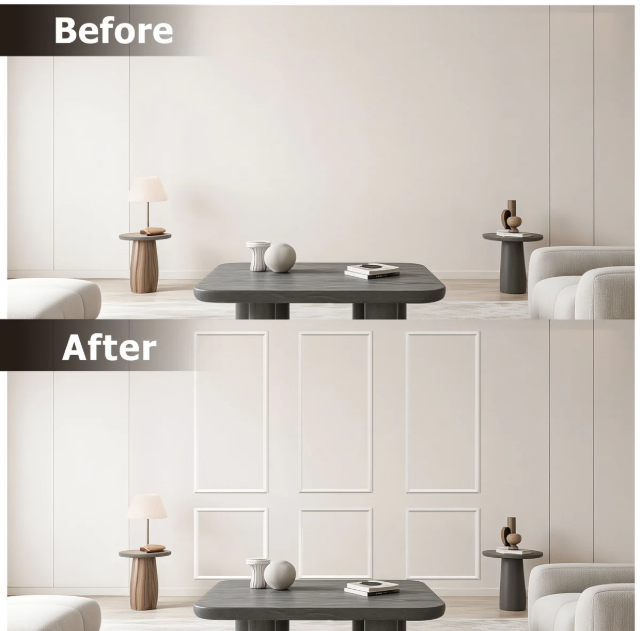
Installing beadboard wainscoting feels rewarding, even for novices, starting with precise measurements and a level base. Prep by clearing the wall, then mark your chair-rail height—typically 36 to 48 inches—and secure furring strips for support. Snap chalk lines as guides, apply construction adhesive, and nail panels into place, staggering seams like brickwork for strength. Cap with crown molding for polish, caulk gaps, and paint to match your vibe. Tools are basic: a miter saw, nail gun, and laser level. In a weekend, you transform bland walls, gaining confidence and a pro-level finish without calling in experts.
Elevating Traditional Interiors with Warmth
In classic spaces like farmhouses or period homes, beadboard wainscoting amplifies coziness, its vertical lines drawing the eye upward to balance low ceilings. Picture a buttery yellow kitchen where white panels contrast soft cabinetry, reflecting light to make meals feel intimate. Paired with shiplap accents or vintage pendants, it grounds bold patterns overhead. The texture softens harsh angles, inviting touch—kids lean against it during storytime, adults linger over coffee. This humble paneling weaves nostalgia into daily life, proving that true style lies in details that comfort the soul.
Modern Twists for Sleek Contemporary Spaces
beadboard wainscoting shines in minimalist designs too, where flat-painted panels in charcoal or navy add subtle intrigue without clutter. In urban lofts, slim PVC versions clad media walls, their grooves hiding cords while echoing industrial vibes. Bold hues like deep teal turn hallways into artful corridors, and matte finishes pair with concrete floors for edgy contrast. Architects love its scalability—full-wall applications create cocooned nooks in open plans. Far from fussy, modern beadboard proves versatile, bridging clean lines with organic texture for homes that feel both fresh and lived-in.
Practical Boosts to Everyday Functionality
Beyond looks, beadboard wainscoting excels at real-world resilience, shielding walls from dings in high-traffic zones like mudrooms or playrooms. Its raised beads deflect splashes and smudges, easing wipe-downs with mild soap. Sound-absorbing qualities dampen echoes in small spaces, fostering quieter conversations. In humid Pakistan summers, moisture-proof panels prevent mold, extending wall life without pricey overhauls. Affordable at $2-5 per square foot, it delivers high ROI by increasing perceived home value—buyers adore that crisp, protected base layer. It's smart design that works harder than it shows.
Creative Applications Across Home Zones
Experiment with beadboard beyond living areas: line a powder room ceiling for a nautical escape, or craft a headboard in the bedroom for plush texture. Outdoor porches gain farmhouse flair with weatherproof panels, while built-in benches in entryways double as storage. Kids' rooms sparkle with pastel-painted versions, hiding marker scribbles effortlessly. Even commercial spots like cafes use it for instant character. The key? Scale to the room—short panels for petite baths, full heights for dramatic entries. These ideas spark personalization, making beadboard a canvas for your unique story.
Caring for Longevity and Lasting Beauty
Maintaining beadboard wainscoting keeps its charm vibrant for decades; dust weekly with a soft cloth, and spot-clean stains promptly to avoid seepage. Wood varieties thrive with occasional waxing, while PVC needs no fuss beyond soap and water. Refresh paint every 5-7 years, feathering edges for seamless touch-ups. Watch for humidity warps in unprimed panels—ventilate well. Professional steam-cleaning revives dulled grooves yearly. With minimal effort, it ages gracefully, patina adding character like a well-loved heirloom. Invest here, and your walls stay timelessly textured.


