Notifications

9 minutes, 17 seconds
-11 Views 0 Comments 0 Likes 0 Reviews
Color plays a powerful role in home design. The right colors can make a home feel warm, spacious, and welcoming, while the wrong colors can make even a beautiful house feel uncomfortable. In Pakistani homes, color choices are even more important because our interior design often combines modern aesthetics with traditional elements like wooden furniture, textured fabrics, and decorative artwork.
Many homeowners ask interior designers a common question: what colors are best for Pakistani home decor? The answer is not limited to one color. Instead, professional designers recommend balanced color palettes that combine neutral tones with rich accent colors.
In this guide, we will explore the best colors for Pakistani home interiors, how to use them effectively, and why certain color combinations work better than others.
Color is one of the first things people notice when they enter a home. It influences the mood, the perceived size of a room, and the overall design harmony.
For example, lighter colors such as cream, white, and light grey can make small rooms appear larger and brighter. On the other hand, deeper tones like navy blue or emerald green can add elegance and depth when used carefully.
Pakistani homes often include wooden furniture, carved décor pieces, and patterned textiles. Because of this, designers usually choose colors that complement these elements rather than overpower them.
Think of color as the background music of your home. When the tones are balanced, the entire space feels calm and inviting.
Neutral colors are among the most popular choices for Pakistani home decor because they create a clean and elegant base.
Common neutral colors include:
These colors work well in almost every room because they reflect light and make spaces feel more open.
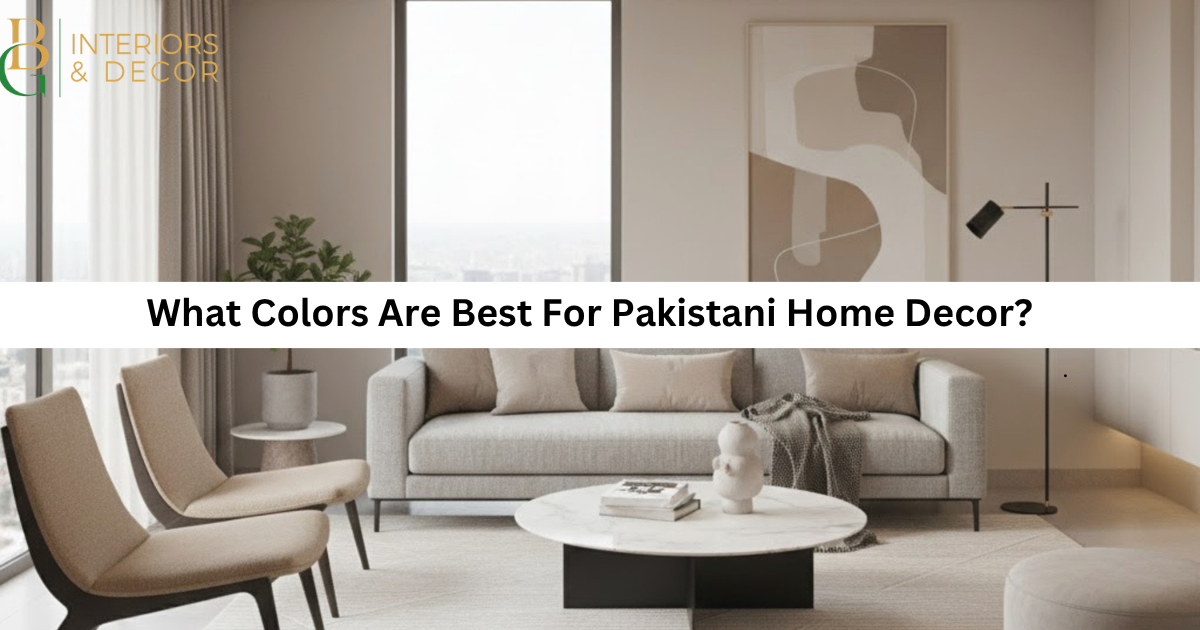
For example, a cream-colored living room wall paired with wooden furniture and soft lighting instantly creates a warm and sophisticated environment.
Interior designers often start with neutral tones because they allow other design elements such as furniture, rugs, and artwork to stand out naturally.
Once a neutral base is established, designers add accent colors to give the space personality and depth.
Popular accent colors in Pakistani home decor include:
These colors are usually added through cushions, curtains, rugs, or decorative accessories.
For example, a beige living room can look far more luxurious when combined with navy blue cushions and gold lighting fixtures.
Accent colors act like spices in cooking — a small amount can transform the entire experience.
Many modern Pakistani homes are now adopting soft pastel colors because they create a calm and contemporary atmosphere.
Popular pastel shades include:
These colors are especially popular for bedrooms and family lounges because they create a relaxing environment.
For example, a bedroom with light grey walls and soft pastel blue bedding can feel peaceful and comfortable, making it easier to relax after a long day.
While modern interiors often favor lighter tones, traditional Pakistani decor still celebrates bold and rich colors.
Classic traditional colors include:
These colors are commonly seen in carpets, cushions, curtains, and traditional textiles.
When used carefully, these shades can add warmth and cultural character to a home without making the space feel heavy.
Interior designers often combine traditional colors with neutral walls to maintain balance.
The living room is usually the most important space in a home because it is where guests are entertained.
For Pakistani living rooms, designers often recommend combinations such as:
These combinations create a sophisticated yet welcoming atmosphere.
Lighting also plays an important role. Warm lighting can enhance neutral colors and make the room feel more comfortable.
Bedrooms should feel calm, relaxing, and comfortable.
Interior designers usually recommend soft and neutral tones for bedrooms, including:
These colors help create a peaceful environment that promotes relaxation and sleep.
Adding soft textures such as plush rugs, comfortable bedding, and layered lighting can further enhance the feeling of comfort.
Professional interior designers follow several principles when selecting colors for Pakistani homes.
First, they ensure the colors complement the natural lighting of the room. A room with plenty of sunlight can handle deeper shades, while darker rooms benefit from lighter tones.
Second, they maintain color balance. Too many bold colors can overwhelm the space, so designers often combine strong colors with neutral backgrounds.
Third, they consider the furniture and décor style before choosing wall colors. Wooden furniture, for example, works beautifully with warm neutrals.
These small design decisions can make a big difference in the final appearance of a home.
Choosing the best colors for Pakistani home decor is not about following strict rules. Instead, it is about creating harmony between walls, furniture, lighting, and decorative elements.
Neutral tones such as cream, beige, and grey create a strong foundation for most interiors. Accent colors like navy blue, emerald green, and gold add richness and personality. Meanwhile, pastel shades help create modern and relaxing spaces.
The key is balance. When colors work together naturally, a home feels elegant, welcoming, and comfortable.
With the right color palette, even a simple room can be transformed into a beautiful and stylish living space.
Neutral colors like cream, beige, warm white, and light grey are commonly used because they create a clean and elegant base for interior decoration.
Light colors such as white, cream, and soft grey can make a living room appear larger and brighter.
Yes, bold colors such as navy blue, emerald green, and maroon can work well when used as accent colors.
Soft colors like pastel blue, light grey, and beige are ideal because they create a relaxing and peaceful environment.
Yes, traditional colors such as mustard, royal blue, and turquoise can be used through textiles and décor items while keeping the walls neutral.


