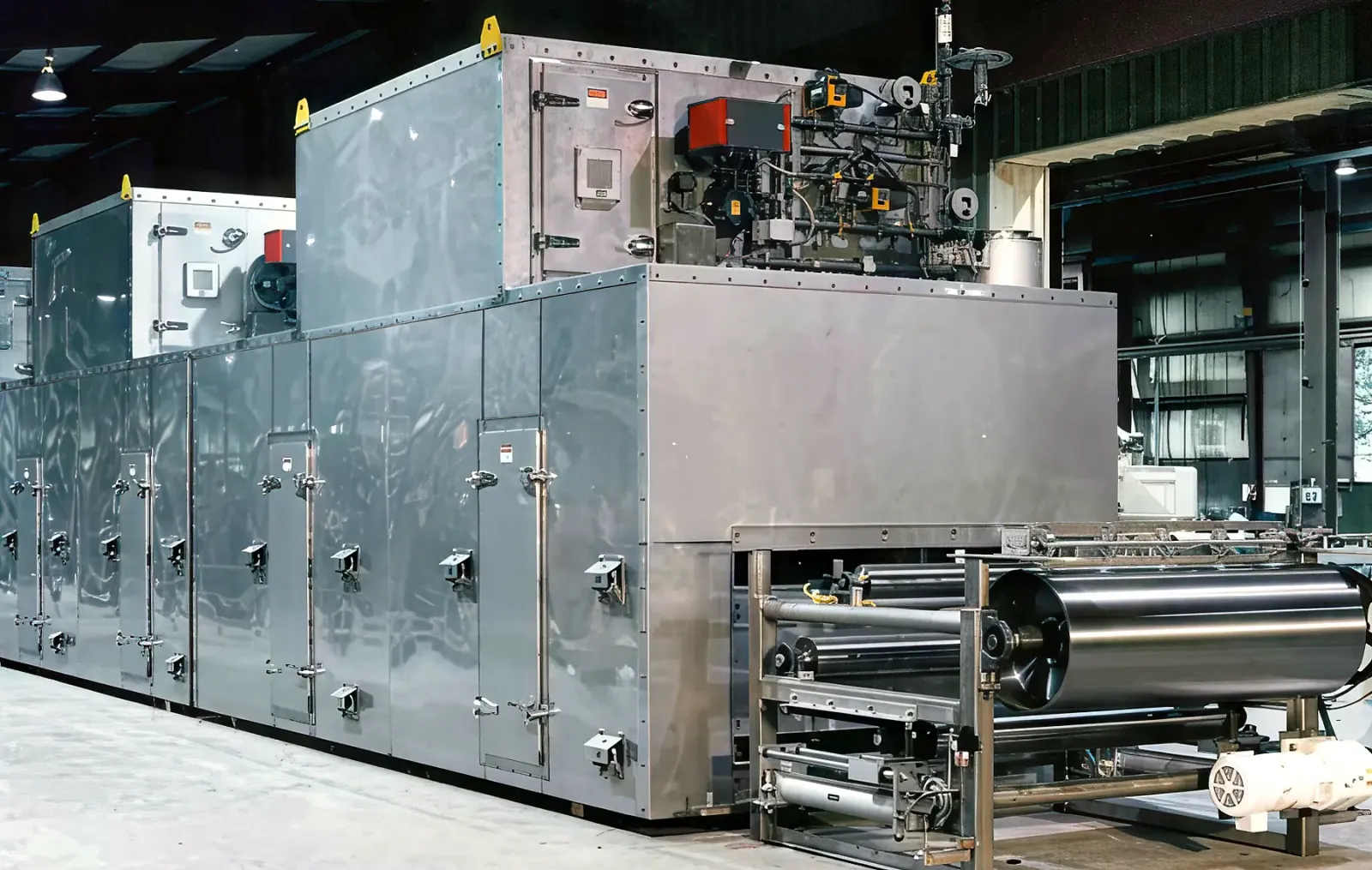
Upgrading industrial equipment is a major decision for any manufacturing or commercial operation, and industrial ovens in Australia are no exception. Companies often weigh the cost of new machinery against potential improvements in efficiency, safety, and production quality. Understanding how a modern industrial oven can impact operations helps in making an informed choice.
Enhancing Efficiency in the Workplace
One of the primary reasons businesses consider upgrading their
industrial ovens Australia is the potential for increased efficiency. Newer ovens often incorporate advanced heating systems and better temperature controls, which can reduce cooking or curing times. For operations where time directly affects productivity, even small improvements can translate into significant cost savings over months or years. Faster processing also means that production lines can handle larger volumes without increasing staff or operational hours.
Efficiency improvements go beyond speed alone. Modern ovens tend to have more precise temperature consistency, which reduces the risk of product wastage due to uneven heating. This not only improves the quality of the finished product but also minimises the environmental impact by lowering energy consumption and reducing material waste. For businesses mindful of sustainability and operational costs, these factors make the case for an upgrade stronger.
Safety and Regulatory Compliance
Another important consideration when evaluating industrial ovens in Australia is safety. Older ovens may not meet current safety standards or regulations, which can pose risks to staff and create liabilities for businesses. Newer models are designed with safety features such as automatic shut-off systems, improved insulation, and emergency controls. These features can reduce workplace accidents and ensure compliance with national safety regulations.
Compliance isn’t limited to safety alone. Many modern ovens meet stricter environmental standards, particularly concerning energy efficiency and emissions. Upgrading can therefore support broader corporate sustainability goals, while also ensuring that operations remain legally compliant without costly retrofits or penalties.
Long-Term Financial Benefits
While the initial investment in industrial ovens in Australia can be significant, the long-term financial benefits often outweigh upfront costs. Reduced energy use, lower maintenance requirements, and improved product consistency can collectively lead to substantial savings. In many cases, businesses find that the payback period for a new oven is shorter than expected, thanks to operational efficiencies and fewer disruptions caused by older, unreliable equipment.
Additionally, investing in upgraded equipment can enhance a company’s reputation. Clients and partners often appreciate businesses that prioritise quality, consistency, and sustainable practices. By upgrading industrial ovens, companies can demonstrate commitment to high standards, which can support growth and customer trust.
Making the Decision
Deciding whether to upgrade industrial ovens in Australia depends on evaluating operational needs, current equipment performance, and long-term business goals. Companies should consider efficiency gains, safety improvements, compliance with regulations, and potential financial returns. While the decision involves upfront expenditure, the advantages in productivity, safety, and quality make the upgrade a practical consideration for many operations.
Overall, modern industrial ovens offer tangible benefits that go beyond simple equipment replacement. From improving efficiency and safety to supporting sustainability and financial goals, they provide a meaningful investment in the future of industrial operations. Businesses that weigh these factors carefully often find that upgrading is not just worthwhile, it can be essential for maintaining competitiveness and operational excellence.