Notifications

8 minutes, 55 seconds
-19 Views 0 Comments 0 Likes 0 Reviews
A modern data platform is essential for organizations, as it helps them leverage their data effectively to transform it into valuable insights, which in turn leads to better decisions. This article analyzes modern data platforms, exploring their key components, advantages, and transformative impact on business operations.
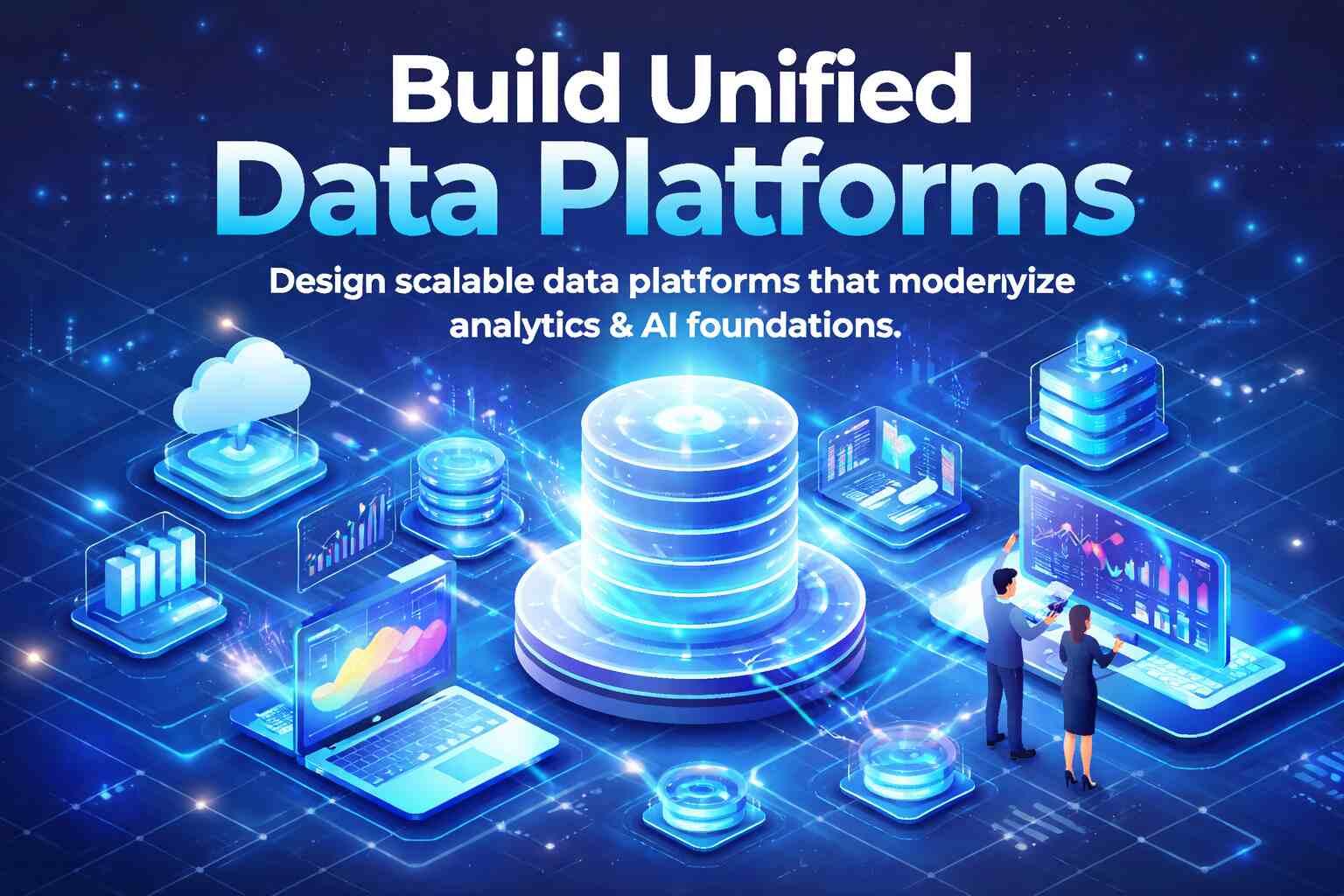
A modern data platform is an integrated, scalable, and highly flexible ecosystem designed to manage the growing volume, speed, and variety of data generated in today’s digital-first world. Instead of working with siloed systems, businesses get a unified platform capable of collecting, storing, processing, analyzing, and visualizing data—whether it comes from applications, social channels, sensors, or enterprise systems.
Think of it as the foundation that enables organizations to turn data into insights, insights into decisions, and decisions into measurable business value.
A modern data platform brings together several essential capabilities that work seamlessly from the moment data enters the system to the moment it’s transformed into insights. These components include:
Data Ingestion: This is where all the incoming data—whether from websites, IoT devices, business applications, or third-party tools—is collected. Modern platforms handle both real-time streaming and batch ingestion, ensuring data flows continuously and reliably.
Data Storage: Data is stored in scalable environments such as cloud storage, NoSQL databases, or data lakes. This setup supports structured, semi-structured, and unstructured data while preparing organizations for future growth.
Data Processing: Technologies such as Apache Spark or Hadoop help process large datasets efficiently. Whether it’s real-time analytics or scheduled batch pipelines, the processing layer ensures businesses receive timely and accurate insights.
Data Integration: Data rarely arrives clean or in a consistent format. Integration tools help cleanse, transform, and enrich it so all teams—from marketing to operations—work with high-quality, trustworthy information.
Analytics and Reporting: Using tools like Power BI, Tableau, and machine learning models, organizations can turn complex datasets into dashboards, predictions, or automated insights. This includes everything from traditional analytics to advanced AI and predictive modeling.
When a modern data platform solution is implemented successfully, it brings significant value to the business. Some of the key benefits include:
A modern data platform isn’t a single product—it’s a collection of technologies working together. Some of the core technologies include:
Cloud Computing:
Platforms like AWS, Microsoft Azure, and Google Cloud offer the infrastructure for storage, computing, and analytics. They provide high availability, disaster recovery options, and global accessibility.
Big Data Frameworks:
Tools such as Apache Spark and Hadoop handle processing at scale, enabling organizations to perform distributed computing and analyze massive datasets in parallel.
Data Lakes:
Data lakes allow businesses to store raw data in its original format. This long-term, scalable storage supports future analytics, machine learning programs, and exploratory data work.
Machine Learning:
By adding predictive models and ML algorithms, organizations can identify patterns, anticipate outcomes, detect anomalies, and offer personalized recommendations—all powered by the data in their modern data platform.
Despite its many benefits, implementing a modern data platform involves overcoming several hurdles:
Data Integration Complexity:
Organizations often work with a mix of legacy systems, scattered databases, and third-party tools. Ensuring data flows smoothly across all these environments is challenging and requires careful planning.
Data Quality Issues:
Without proper validation and cleansing, inconsistent or inaccurate data can undermine analytics. Maintaining high data quality is a continuous, often resource-intensive process.
Security and Privacy Concerns:
With regulations becoming stricter and cyberthreats growing more sophisticated, protecting data is non-negotiable. Businesses must constantly update their security practices to stay compliant.
Skill Gaps:
Modern platforms require expertise in cloud computing, data engineering, analytics, and AI. Many organizations struggle to find or upskill professionals who can manage these systems.
Modern data platforms are reshaping industries by enabling faster decisions, better predictions, and operational efficiency. Here are some examples:
1. Healthcare:
Hospitals can analyze patient records, treatment histories, and research data to improve diagnosis, detect disease patterns early, and deliver personalized care.
2. Finance:
Banks and financial institutions rely on real-time data analytics to detect fraud instantly, assess risk accurately, and understand customer behavior for personalized financial products.
3. Retail:
Retailers use data to optimize supply chains, track consumer trends, manage inventory, and power personalized marketing campaigns that improve customer engagement.
4. Manufacturing:
Manufacturers analyze sensor and machine data for predictive maintenance, quality checks, and identifying production bottlenecks.
A modern data platform is no longer a nice-to-have—it's a strategic necessity for companies aiming to stay competitive. By unifying data sources, enabling real-time insights, and supporting advanced analytics, these platforms empower businesses to make smarter, data-driven decisions.
Although implementing such a platform comes with challenges, the long-term value—scalability, cost savings, flexibility, and innovation—makes it a worthwhile investment. As technology continues to evolve, the power and potential of modern data platforms will only grow, helping organizations unlock new opportunities and drive meaningful transformation.
Modern Data Platforms Unified Data Platforms Modern Data Platform Services



 for Better Online Reputation)


