Notifications

10 minutes, 6 seconds
-29 Views 0 Comments 0 Likes 0 Reviews
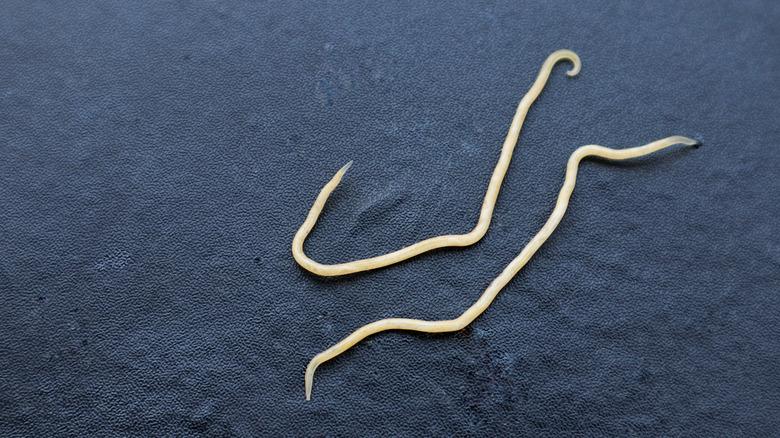
Worm infections are common health problems that can affect people of all ages, especially in areas where hygiene and sanitation conditions are not ideal. These infections occur when parasitic worms enter the human body and live in the intestines or other tissues. Many individuals may not realize they have a worm infection because symptoms can sometimes be mild or appear gradually.
However, untreated infections can lead to discomfort and health complications over time. Recognizing the symptoms early and seeking proper treatment can help individuals recover quickly and prevent further spread. Health discussions across various online communities, including those found on platforms like Genericvilla, often highlight the importance of awareness and hygiene when managing parasitic infections.
Understanding how worm infections occur and how they can be treated effectively helps individuals maintain better digestive health and overall well-being.
A worm infection happens when parasitic worms enter the human body and survive by feeding on nutrients from their host. These parasites usually live in the intestines, but some types may affect other organs or tissues.
Common types of worms that infect humans include roundworms, hookworms, tapeworms, and pinworms. These parasites reproduce inside the body and may spread through contaminated food, water, or soil.
Many infections occur when people accidentally swallow parasite eggs or larvae. Poor sanitation, unclean drinking water, and inadequate food hygiene can increase the risk of infection.
Worm infections are treatable in most cases, but early diagnosis helps prevent complications and discomfort.
Understanding how worm infections spread is important for both treatment and prevention. These infections usually occur due to exposure to contaminated environments or poor hygiene practices.
Several common causes include:
Consuming contaminated food or water
Walking barefoot on infected soil
Poor handwashing habits
Eating undercooked meat or fish
Children are particularly vulnerable because they often play outdoors and may not always follow strict hygiene practices. Adults can also become infected through travel, contact with contaminated surfaces, or exposure to infected animals.
By identifying these risk factors, individuals can take preventive measures to protect their health.
Symptoms of worm infections can vary depending on the type of parasite and the severity of the infection. Some individuals may experience only mild discomfort, while others may develop more noticeable symptoms.
Common symptoms include stomach pain, diarrhea, nausea, fatigue, and unexplained weight loss. Some people may also experience itching around the anal area, especially at night, which is often associated with pinworm infections.
Other symptoms may include digestive disturbances, bloating, or decreased appetite. In severe cases, prolonged infections can affect nutrient absorption, leading to weakness or anemia.
Recognizing these signs early allows individuals to seek appropriate treatment before the infection worsens.
The most effective way to treat worm infections is through prescribed antiparasitic medications. These medicines are designed to kill or disable the parasites so they can be eliminated from the body naturally.
Doctors usually recommend medications based on the specific type of worm causing the infection. Treatment often involves a short course of medication, although some infections may require repeated doses to ensure all parasites are eliminated.
Following medical instructions carefully is essential. Completing the full course of treatment helps prevent reinfection and ensures that parasite eggs do not survive in the body.
Regular follow-up with a healthcare provider may be necessary in certain cases to confirm that the infection has been fully treated.
Hygiene plays a critical role in both treating and preventing worm infections. Even after medication begins to eliminate parasites, poor hygiene can lead to reinfection.
Washing hands thoroughly with soap and water is one of the most effective preventive measures. Hands should be cleaned before eating, after using the restroom, and after handling soil or animals.
Other important hygiene practices include keeping fingernails short and clean, washing bedding regularly, and maintaining a clean living environment. These steps help remove parasite eggs that may remain on surfaces or clothing.
Maintaining strict hygiene habits during treatment supports faster recovery and prevents the infection from spreading to others.
While medical treatment is essential for eliminating parasites, certain lifestyle habits can support recovery and digestive health. Eating nutritious foods helps strengthen the immune system and improve the body’s ability to recover from infections.
Foods rich in fiber may support digestive function and help the body remove waste more efficiently. Drinking adequate water also promotes healthy digestion and helps maintain hydration.
Some traditional remedies are sometimes used as supportive practices, but they should never replace medical treatment. Individuals should always consult healthcare professionals before trying alternative methods.
Balanced nutrition and healthy lifestyle habits work together with medical treatment to support overall health.
Preventing worm infections requires consistent attention to hygiene and food safety. Many infections occur due to avoidable environmental factors, so improving daily habits can significantly reduce risk.
Important preventive measures include:
Washing fruits and vegetables thoroughly before eating
Cooking meat and seafood properly
Drinking clean and safe water
Wearing footwear in areas where soil contamination may occur
Parents should also encourage children to wash their hands frequently and avoid putting unclean objects in their mouths. Teaching these habits early helps reduce the risk of infections throughout life.
Preventive practices are especially important in communities where sanitation systems may be limited.
Public awareness plays a significant role in controlling parasitic infections. When individuals understand how these infections spread, they are more likely to follow preventive practices.
Educational resources and health discussions can provide valuable guidance about symptoms, treatment options, and hygiene practices. Informational communities where health topics are shared, including discussions that appear on platforms such as Genericvilla, often emphasize the importance of early diagnosis and proper medical care.
Access to reliable health information empowers individuals to make informed decisions about their health and protect their families from preventable infections.
Although many worm infections can be treated easily, professional medical advice is important when symptoms persist or worsen. Individuals should consult a healthcare provider if they experience severe abdominal pain, persistent digestive issues, or signs of nutritional deficiency.
Medical consultation is also recommended for young children, pregnant women, or individuals with weakened immune systems. Doctors may perform stool tests or other examinations to confirm the type of parasite and determine the most appropriate treatment.
Early medical evaluation ensures accurate diagnosis and helps prevent complications associated with untreated infections.
Worm infections are common but manageable health conditions that affect many people worldwide. These infections occur when parasitic worms enter the body through contaminated food, water, or soil. Although symptoms may vary, early recognition and treatment help prevent complications and discomfort.
Medical antiparasitic treatments remain the most effective way to eliminate these infections. At the same time, maintaining good hygiene practices and safe food handling habits plays a vital role in preventing reinfection.
Education and awareness also contribute significantly to controlling the spread of parasitic diseases. When individuals understand how infections occur and how they can be prevented, they are better prepared to protect their health and that of their families.
By combining proper treatment, hygiene practices, and reliable health knowledge, individuals can successfully treat worm infections and maintain long-term digestive health.


