Notifications

8 minutes, 16 seconds
-23 Views 0 Comments 0 Likes 0 Reviews
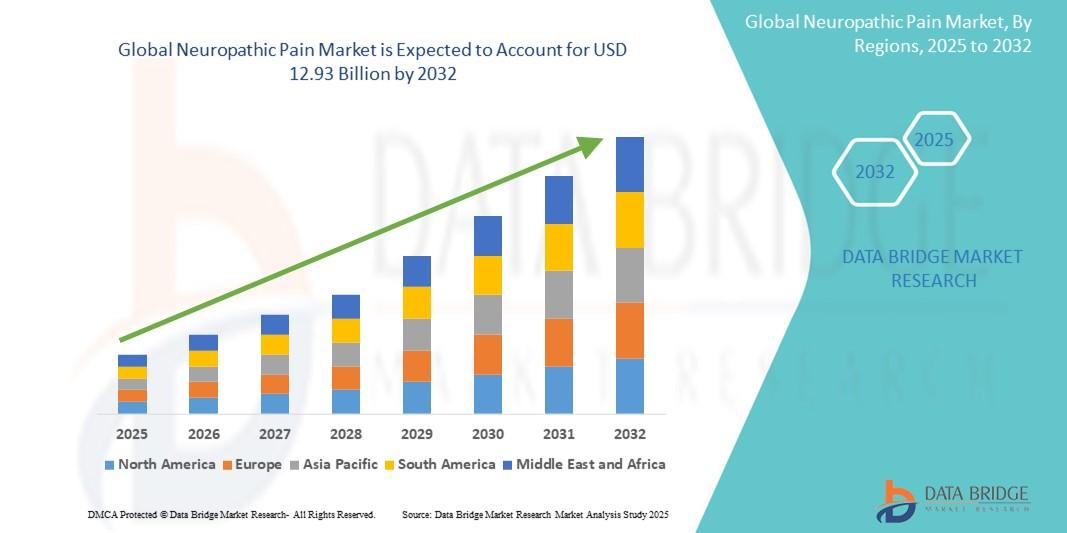
The Neuropathic Pain Market is witnessing steady expansion as neurological disorders, chronic diseases, and age-related nerve damage continue to rise worldwide. Neuropathic pain, caused by damage or dysfunction of the nervous system, differs significantly from nociceptive pain and remains one of the most complex pain conditions to diagnose and manage. Increasing awareness, advancements in pharmacological therapies, and growing investments in pain management research are collectively shaping the global market landscape.
Neuropathic pain conditions are commonly associated with diabetes, cancer, spinal cord injuries, stroke, multiple sclerosis, and post-herpetic neuralgia. As healthcare systems place greater emphasis on improving quality of life for patients with chronic pain, the demand for effective neuropathic pain therapies is expected to accelerate over the forecast period.
The global neuropathic pain market encompasses a wide range of treatment options, including antidepressants, anticonvulsants, opioids, topical agents, and emerging biologics. The market is driven by increasing disease prevalence, improved diagnostic capabilities, and the growing geriatric population, which is more susceptible to nerve-related disorders.
Despite the availability of multiple treatment classes, neuropathic pain remains under-treated in many regions, creating significant opportunities for novel drug development and improved therapeutic strategies. Pharmaceutical companies are focusing on developing safer, more targeted treatments with fewer side effects to address unmet clinical needs.
One of the primary drivers of the neuropathic pain market is the increasing prevalence of chronic diseases such as diabetes, cancer, and autoimmune disorders. Diabetic neuropathy, in particular, represents a major contributor to neuropathic pain cases globally. As lifestyle-related disorders continue to rise, the patient pool requiring long-term pain management is expanding rapidly.
The aging global population plays a critical role in market growth. Older adults are more prone to nerve degeneration, spinal disorders, and post-surgical neuropathic pain. With increasing life expectancy across developed and developing regions, demand for neuropathic pain treatments is expected to grow substantially.
Continuous advancements in neuroscience and pharmacology are enabling the development of more effective neuropathic pain medications. Innovations such as selective ion channel blockers, novel antidepressants, and non-opioid pain therapies are improving treatment outcomes while reducing dependency risks.
Improved awareness among healthcare professionals and patients has led to earlier diagnosis and treatment initiation. Educational initiatives and clinical guidelines have helped differentiate neuropathic pain from other pain types, driving appropriate therapy adoption and boosting market growth.
Despite multiple available drugs, many patients experience inadequate pain relief or intolerable side effects. This limitation often results in treatment discontinuation or trial-and-error therapy approaches, restraining overall market effectiveness.
Common neuropathic pain medications are associated with side effects such as dizziness, sedation, nausea, and dependency risks, particularly with opioids. These safety concerns may limit long-term use and reduce patient compliance.
Newer and innovative treatments often come with high costs, making them less accessible in low- and middle-income countries. Limited reimbursement coverage in certain regions further restricts market penetration.
The neuropathic pain market is segmented into antidepressants, anticonvulsants, opioids, topical treatments, and others. Antidepressants and anticonvulsants dominate the market due to their proven efficacy and widespread clinical use. However, growing concerns around opioid misuse are shifting focus toward non-opioid alternatives.
Based on indication, the market includes diabetic neuropathy, post-herpetic neuralgia, trigeminal neuralgia, chemotherapy-induced neuropathy, and others. Diabetic neuropathy holds the largest market share, driven by the global diabetes epidemic.
Hospital pharmacies, retail pharmacies, and online pharmacies form the major distribution channels. Retail pharmacies account for a significant share due to easy accessibility and long-term prescription refills, while online pharmacies are gaining traction with increasing digital healthcare adoption.
North America dominates the neuropathic pain market due to advanced healthcare infrastructure, high disease awareness, and strong pharmaceutical research activity. Favorable reimbursement policies and early adoption of novel therapies further support regional growth.
Europe represents a mature market with strong government support for chronic pain management and widespread access to healthcare services. Increasing focus on non-opioid pain treatments is influencing prescribing patterns across the region.
The Asia-Pacific region is expected to witness the fastest growth during the forecast period. Rising diabetes prevalence, improving healthcare access, and increasing healthcare expenditure in countries such as China and India are driving market expansion.
These regions are gradually emerging due to improving healthcare infrastructure and increasing awareness of chronic pain conditions. However, limited access to advanced therapies and affordability challenges may restrain growth.
The neuropathic pain market is moderately competitive, with global pharmaceutical companies focusing on product innovation, clinical trials, and strategic collaborations. Companies are investing heavily in research and development to create targeted therapies that address specific neuropathic pain pathways. Patent expirations of major drugs are also opening opportunities for generic manufacturers, increasing market competition.
The future of the neuropathic pain market looks promising, driven by advancements in precision medicine, growing focus on personalized pain management, and the development of non-addictive therapies. Emerging technologies such as gene therapy, neuromodulation, and digital pain management tools are expected to redefine treatment approaches.
As regulatory bodies encourage safer pain management alternatives and healthcare providers adopt multidisciplinary treatment strategies, the market is poised for sustained growth. Continued investment in research, improved patient education, and enhanced access to therapies will be key factors shaping the long-term trajectory of the neuropathic pain market.
https://www.databridgemarketresearch.com/reports/global-neuropathic-pain-market
The neuropathic pain market is evolving rapidly, supported by increasing disease burden, aging populations, and ongoing pharmaceutical innovation. While challenges such as limited efficacy and safety concerns persist, emerging therapies and improved diagnostic practices present significant growth opportunities. Companies that prioritize patient-centric solutions and innovative drug development are well-positioned to succeed in this competitive and expanding market.


