Notifications

5 minutes, 32 seconds
-50 Views 0 Comments 0 Likes 0 Reviews
Email marketing remains one of the most effective digital marketing strategies for businesses. However, sending large volumes of emails from a new or inactive domain can lead to poor deliverability, spam placement, or even domain blocking. This is where email warmup tools become essential. Email warmup helps build trust with email service providers and improves the reputation of your sending domain or IP address.
In this article, we’ll explore what email warmup is, why it matters, and how it can improve your email marketing performance.
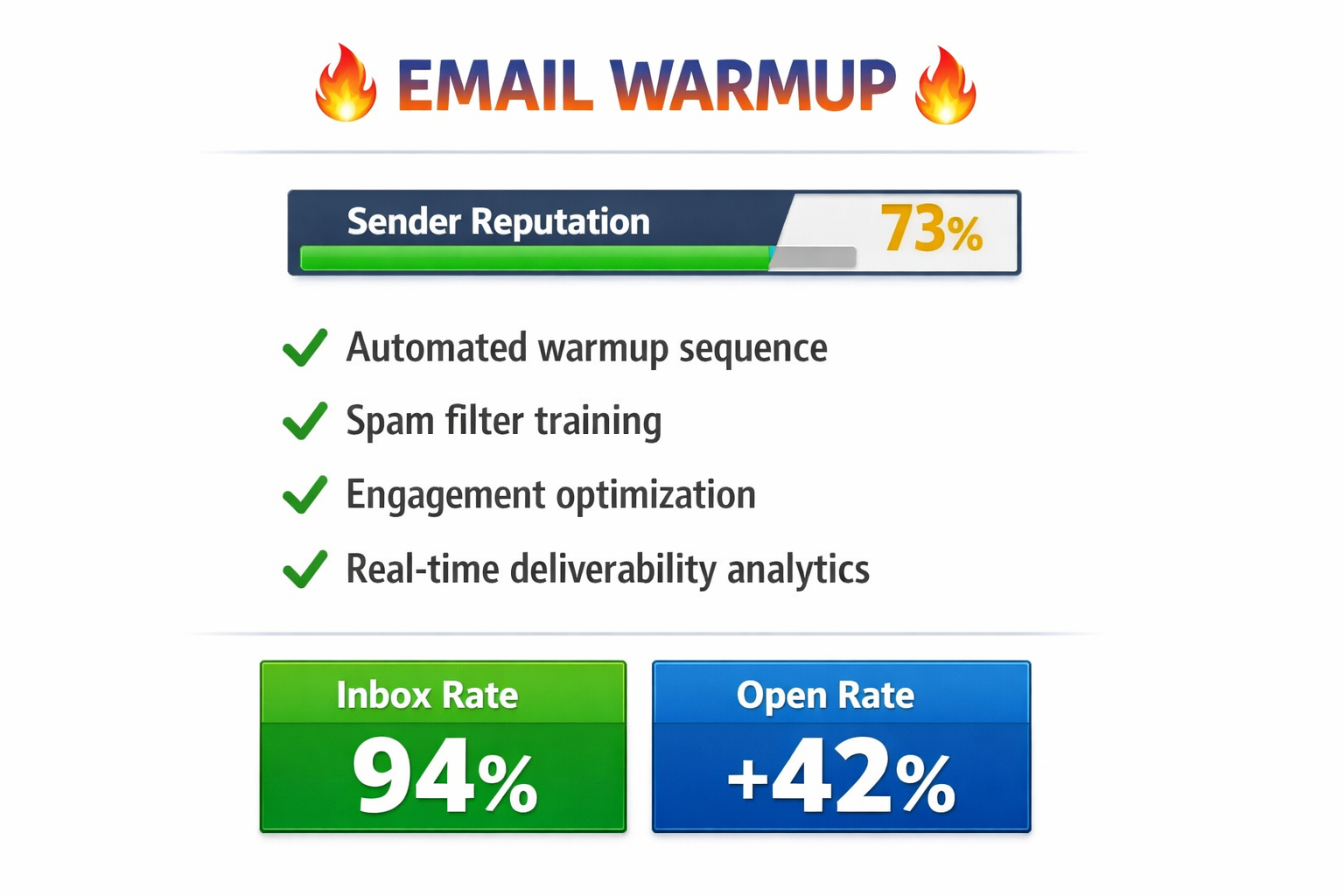
Email warmup is the process of gradually increasing the number of emails sent from a new email account or domain over time. Instead of sending thousands of emails immediately, the sending volume starts small and increases slowly each day.
During this process, emails are sent to real or automated inboxes that interact with them by opening, replying, or marking them as important. These positive engagement signals tell email providers such as Gmail, Outlook, and Yahoo that the sender is legitimate and trustworthy.
As a result, your domain develops a good reputation, which helps your emails land in the inbox instead of the spam folder.
Many businesses underestimate the importance of warming up their email accounts before launching campaigns. Without proper warmup, email service providers may treat your emails as suspicious or spam.
Here are some key reasons why email warmup is crucial.
Deliverability refers to whether your emails reach the recipient’s inbox or not. A properly warmed-up email account builds a positive sending reputation, which significantly improves inbox placement.
Without warming up your email account, large sending volumes may trigger spam filters and reduce the chances of your emails being delivered successfully.
Email providers monitor sender behavior closely. They analyze factors such as sending frequency, bounce rates, and engagement levels.
Email warmup gradually builds a strong sender reputation by demonstrating consistent and trustworthy email activity. A positive reputation makes it easier for your future campaigns to reach inboxes.
Spam complaints occur when recipients mark your emails as spam. If many users report your emails, your domain reputation can drop quickly.
A warmup process helps establish credibility with email providers and reduces the risk of your emails being flagged as spam.
Sending a high number of emails from a new domain without warming up can lead to temporary blocks or blacklisting by email providers.
Email warmup helps avoid these issues by gradually increasing the sending volume and proving that your email account behaves like a normal user.
Email warmup typically follows a structured process:
Many marketers use specialized email warmup tools that automate this process by sending and interacting with emails within a network of real inboxes.
To get the best results from email warmup, consider following these best practices:
Following these practices will help maintain a healthy sending reputation and improve long-term email performance.
Email warmup plays a critical role in ensuring successful email marketing campaigns. By gradually building trust with email service providers, businesses can improve inbox placement, protect their domain reputation, and avoid spam filters.
If you plan to send cold emails, outreach messages, or marketing campaigns, starting with a proper email warmup strategy can make a significant difference in your results. It ensures that your messages reach the right audience and helps maintain a reliable email communication channel for your business.