Notifications


Flutter is widely recognized for enabling rapid mobile app development. With a single codebase supporting both iOS and Android, it allows teams to launch products faster, experiment cheaply, and maintain visual consistency across platforms.
But while launching a Flutter app is relatively easy, keeping it reliable as the product matures is where most teams struggle.
Many Flutter apps don’t fail loudly. They fail quietly.
They become harder to change.
They require more effort to fix simple issues.
They slow down development without obvious technical errors.
Eventually, teams start to feel that something is “off,” even if the app still works.
This article explains why Flutter apps often lose reliability over time, what actually changes as apps mature, and how production-focused teams design Flutter applications that remain dependable through years of growth.
Businesses that work with an experienced Flutter app development company avoid these issues by engineering Flutter apps as long-term products rather than short-lived projects.
The first version of a Flutter app usually lives in a controlled environment:
limited features
known user flows
small development teams
short feedback loops
Under these conditions, even loosely structured apps feel stable.
Reliability problems begin when:
new features interact with old ones
users behave in unexpected ways
network conditions vary
teams start modifying existing logic
Reliability is not about whether an app works today.
It’s about whether it behaves predictably as change accumulates.
That’s why companies investing in Flutter app development services focus on long-term behavior, not just initial delivery.
Most reliability issues don’t come from obvious mistakes.
They come from reasonable early decisions that were never revisited.
Examples include:
placing logic inside widgets to move faster
keeping state close to UI for simplicity
skipping error handling to meet deadlines
deferring structure until “later”
Each decision makes sense in isolation.
Together, they create fragile systems.
Production-ready teams revisit early decisions intentionally, restructuring Flutter apps as products evolve — a standard practice in custom Flutter app development.
One of the biggest threats to reliability in Flutter apps is UI-led logic.
This happens when:
widgets initiate business processes
navigation controls application flow
UI lifecycle events trigger critical logic
Flutter makes this pattern easy — but easy doesn’t mean safe.
As features grow:
UI rebuilds trigger unintended side effects
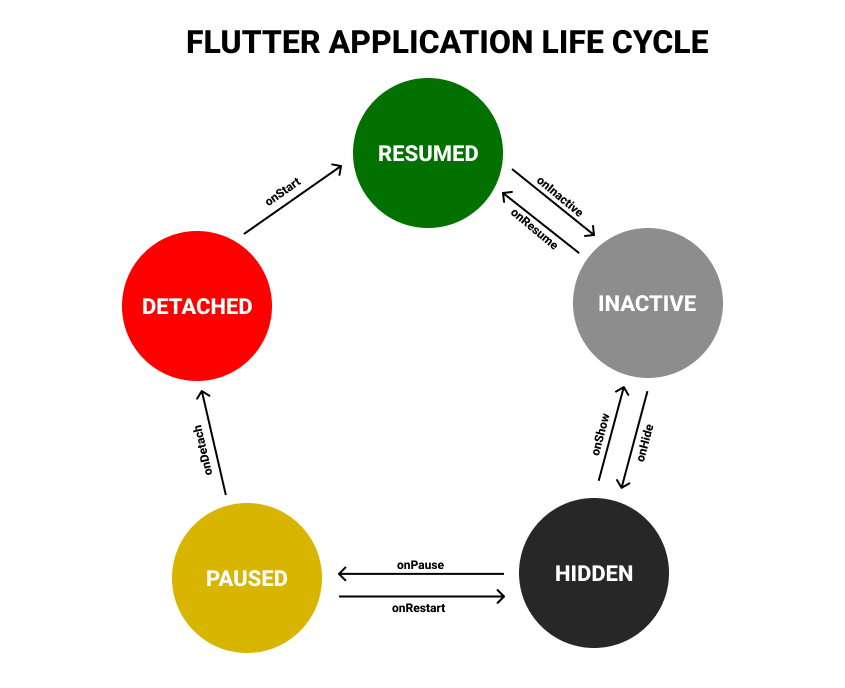
backgrounding the app interrupts workflows
partial user actions leave state inconsistent
Real users don’t follow clean, linear paths.
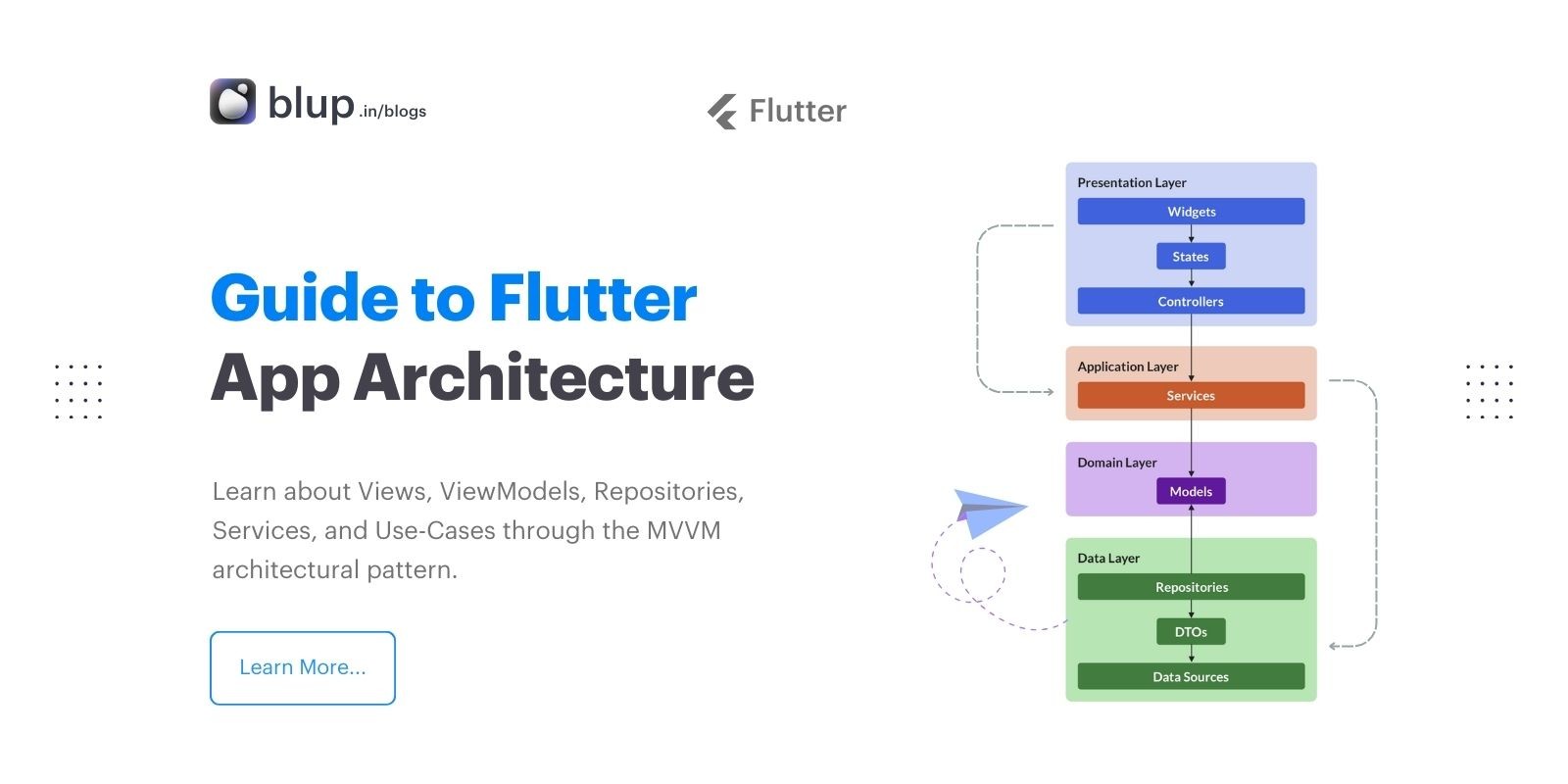
Production-grade Flutter apps separate what the app does from how it looks, a core principle followed by teams delivering professional Flutter app development.
State is the memory of your app.
When state design is weak, reliability suffers.
Common long-term state issues include:
duplicated data across features
unclear ownership of state
state tied to screen lifecycle instead of user intent
temporary UI state leaking into global logic
These problems rarely appear during early testing.
They emerge when:
users pause and resume tasks
network requests fail mid-flow
multiple features interact simultaneously
Teams experienced in enterprise Flutter app development design state around behavior and lifecycle, making outcomes predictable even in edge cases.
Early Flutter apps often feel stable because features are isolated by accident.
As the product grows:
shared utilities multiply
global state expands
small changes ripple unexpectedly
Reliability decreases when:
features rely on shared mutable data
assumptions are undocumented
boundaries between modules are unclear
Production-ready Flutter apps define explicit boundaries so features can evolve independently — a core benefit of scalable Flutter app development.
Teams often describe reliability problems as “lots of bugs.”
In reality, many of these issues are:
inconsistent state transitions
race conditions
lifecycle mismanagement
unclear responsibilities
Fixing individual bugs doesn’t solve systemic unpredictability.
Production-focused teams improve reliability by reducing ambiguity, not just patching symptoms — a mindset common in reliable app development company workflows.
When Flutter apps feel slower over time, teams often treat it as a performance issue.
But performance degradation often signals reliability problems underneath.
Typical causes include:
excessive widget rebuilds caused by poor state scoping
repeated network calls due to unclear data ownership
background tasks tied to UI lifecycle
Without architectural clarity, performance fixes become temporary.
Teams providing Flutter performance optimization services focus on structural fixes that improve both performance and reliability.
Many Flutter apps lack insight into real-world behavior.
Without observability:
bugs can’t be reproduced
reliability issues feel random
fixes rely on assumptions
Production-ready Flutter apps include:
structured logging
contextual error reporting
visibility into user flows
monitoring of critical state changes
This allows teams to measure reliability instead of guessing — a standard practice for any top mobile app development company.
A Flutter app built by a small team often relies on shared understanding.
As teams grow:
implicit assumptions disappear
undocumented patterns spread
inconsistencies increase
Reliability declines when:
multiple developers modify shared logic
conventions drift
code ownership is unclear
Production-grade Flutter architecture supports collaboration by making behavior explicit — one reason companies prefer a top Flutter app development company for long-term products.
Not all reliability problems come from simplicity.
Some Flutter apps become unreliable because they’re too complex.
Common causes:
premature enterprise abstractions
deeply nested dependency layers
generalized solutions that hide behavior
Complexity makes behavior harder to predict.
Production-ready Flutter development balances structure with simplicity — a key trait of the best app development company.
Reliability isn’t a checkbox you tick at launch.
It’s an ongoing outcome of:
clear architecture
disciplined changes
continuous monitoring
Flutter apps that remain reliable are designed for safe change, which is why businesses invest in long-term Flutter app maintenance services.
Unreliable apps are expensive — even if they “work.”
Hidden costs include:
slower feature delivery
repeated bug fixes
developer frustration
eventual rewrites
Reliable Flutter apps reduce total cost of ownership by keeping change predictable — a key reason companies choose professional mobile app development services over short-term savings.
Startups need speed — but they also need stability.
Reliable Flutter development allows startups to:
iterate quickly
pivot safely
avoid architectural dead ends
This balance is best achieved with a Flutter app development company for startups that understands uncertainty and growth.
Enterprises require:
predictable behavior
controlled risk
long-term support
scalable systems
Flutter meets these needs when built with discipline and experience — the standard expected from a Flutter app development company focused on production systems.
When assessing a Flutter app or partner, ask:
Is behavior predictable under interruption?
Can features evolve independently?
Is state behavior clearly defined?
Can production issues be observed and measured?
Companies searching for the best Flutter app development company increasingly evaluate reliability — not just feature delivery.
UI-driven business logic
Screen-based state modeling
Hidden dependencies
Lack of observability
Over-engineering
Avoiding these pitfalls dramatically improves long-term reliability.
Reliability doesn’t come from perfection.
It comes from clarity.
Production-ready Flutter apps are designed with:
evolving requirements
unpredictable users
growing teams
This mindset defines teams trusted as the best Flutter app development company for long-lasting mobile products.
Flutter is a powerful framework — but reliability depends on how it’s used.
Most Flutter apps lose reliability over time not because Flutter fails, but because long-term realities weren’t designed for early.
Building reliable Flutter apps requires:
intentional architecture
predictable state behavior
real production experience
For businesses serious about building Flutter applications that remain dependable as they grow, partnering with an experienced Flutter app development company is the most effective way to ensure long-term success.