Notifications

15 minutes, 56 seconds
-95 Views 0 Comments 0 Likes 0 Reviews
The entrance of a home serves as the primary handshake between the architecture and the visitor, and the staircase is the most significant structural element in that greeting. In contemporary design, the shift toward minimalism and clean lines has transformed every component of the stair system, but none more so than modern newel posts. Traditionally, these posts were heavy, ornate, and deeply carved, often serving as a symbol of status in Victorian or Colonial homes. However, today's aesthetic demands a different approach. Modern newel posts focus on geometric precision, material honesty, and a seamless integration with the surrounding space. These posts are no longer just functional anchors; they are sculptural elements that define the character of a transition between floors. As defined by technical resources on Google, a newel is the central pillar or post of a staircase that supports the handrail. In the modern context, this definition expands to include sleek box designs, slim metal profiles, and even integrated lighting systems that prioritize both safety and style.
The importance of modern newel posts cannot be overstated when considering the overall value of a property. According to professional insights often shared by Forbes, high quality architectural details are among the most effective ways to increase a home's market appeal. A staircase is often the first thing a potential buyer sees, and a dated or wobbly railing can immediately signal a lack of maintenance. Conversely, a sturdy, well designed system utilizing modern newel posts suggests a level of contemporary sophistication and structural integrity. This article will explore the specific characteristics that define these modern components, the materials that provide the best performance in 2026, and how to successfully implement them into your next renovation or new build project. Whether you are a homeowner looking for a fresh look or a designer seeking technical precision, understanding the nuances of these parts is essential for a successful outcome.
One of the defining features of modern newel posts is the diversity of materials used in their construction. While traditional designs relied almost exclusively on turned hardwoods, modern iterations embrace a "mixed media" approach. Steel, aluminum, glass, and specialized hardwoods like White Oak or Walnut are the primary choices for today’s builders. Steel modern newel posts, often finished in a matte black or brushed nickel, provide a slim profile that is incredibly strong. This allows for a "maximalist-minimalist" look where the post occupies very little visual space but offers superior stability. Aluminum is also a popular choice, particularly in coastal areas or modern industrial lofts, because it is lightweight and naturally resistant to corrosion. When these metal posts are paired with cable railing or glass panels, the result is a transparent and airy staircase that makes small foyers feel significantly larger.
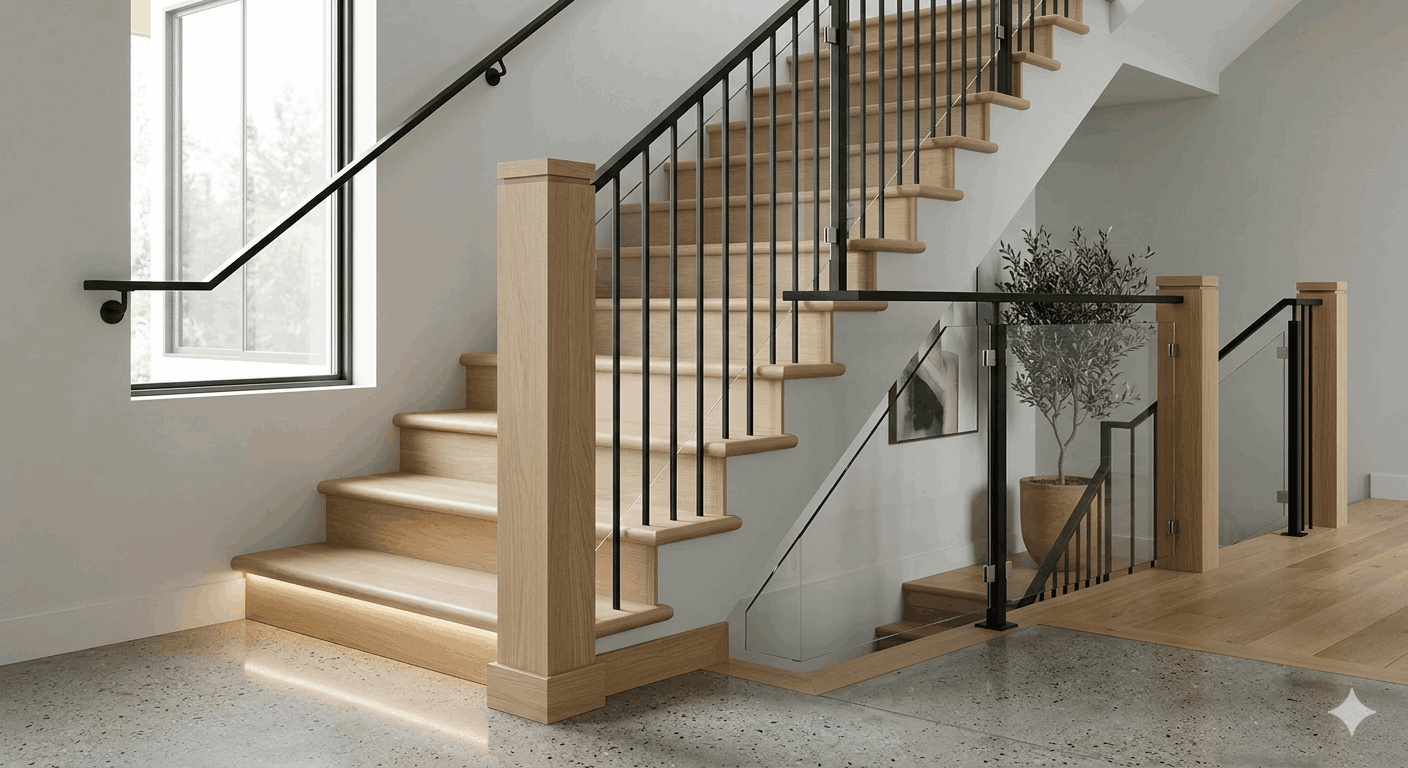
For those who prefer the warmth of natural materials, the box newel remains the king of modern newel posts. Unlike the rounded, turned posts of the past, a modern box newel is typically a square or rectangular pillar with sharp, clean edges. These are often built with "mitered" corners so that the wood grain appears to wrap seamlessly around the post. White Oak is currently the most sought after wood species for these posts due to its neutral tone and ability to take light, modern stains. According to architectural history found on Wikipedia, the newel post has always been the structural linchpin of the stairs, but modern engineering has improved how these wooden boxes are anchored. Instead of simple surface mounting, many modern systems utilize internal steel "stout" bolts or recessed mounting plates that are hidden beneath the floorboards. This ensures that even the most minimalist post remains rock solid under pressure, meeting and exceeding modern building safety codes.
The integration of technology is another burgeoning trend in the engineering of modern newel posts. We are seeing an increase in posts designed with hollow cores specifically to house wiring for low voltage LED lighting. This creates a "glow" effect at the base or top of the post, which serves as a crucial safety feature for navigating stairs at night without the need for overhead lights. This blend of form and function is exactly what defines modernism. By treating the post as a housing for both structural support and technological utility, designers can reduce clutter elsewhere in the hallway. When selecting your materials, consider the tactile experience; a handrail usually terminates at these posts, so the transition between a cold metal post and a warm wooden rail can be a delightful sensory detail if executed with precision and care.
As we move further into the mid 2020s, the trends surrounding modern newel posts have shifted away from stark industrialism toward a concept known as "warm minimalism." This design philosophy maintains the clean lines of modernism but introduces organic textures to prevent the space from feeling clinical. One of the most effective ways to achieve this is through the use of oversized modern newel posts. While it might seem counterintuitive for a minimalist home, a larger, more substantial box newel can act as a bold anchor for a slim railing system. This contrast creates visual interest and gives the staircase a sense of permanence. Recent reports on Google News regarding interior trends highlight a surge in the use of dark, moody stains like ebony or charcoal for these posts, providing a high contrast against white walls or light oak flooring.
Another significant trend is the "post-to-post" configuration with a flat cap. In this layout, the handrail enters the side of the post rather than running over the top of it. This allows the top of the modern newel posts to be perfectly flat, creating a series of clean, horizontal and vertical lines that mimic the grid systems found in mid-century modern architecture. For a more avant-garde look, some homeowners are opting for "offset" newels, where the post is placed slightly to the side of the first step to create a wider, more inviting entrance. This strategy is particularly effective in homes with open floor plans, as it helps define the "stair zone" without the need for walls. The key to success with any of these trends is consistency; the style of the post must match the style of the balusters or spindles to create a cohesive architectural statement.
Beyond the shape and color, the finish of modern newel posts plays a vital role in the final aesthetic. A matte or satin finish is generally preferred over high gloss, as it allows the natural beauty of the wood or metal to shine through without distracting reflections. In metal posts, powder coating has become the gold standard for durability. This process creates a finish that is much harder than conventional paint, making the posts resistant to the scratches and chips that often occur in high traffic entryways. For wooden posts, a "dead flat" varnish can provide a raw, unfinished look that is highly popular in Scandinavian and Japandi design styles. These subtle choices in finish and placement are what separate a professional grade renovation from a standard DIY project, ensuring that the staircase remains a timeless feature rather than a passing fad.
The most beautiful modern newel posts in the world are worthless if they are not installed with a focus on structural longevity. The primary challenge with modern, slim posts is ensuring they remain perfectly vertical and rigid over years of use. Unlike traditional posts that were often buried deep into the floor joists, modern posts are frequently installed on top of finished flooring. This requires the use of heavy duty mounting kits. A professional installer will typically use a "newel bolt" which is a long, double ended screw that anchors into the framing of the house. If you are installing a box newel, you might use an internal mounting block that is screwed to the floor first, with the hollow post then sleeves over the block and is secured with finish nails or screws.
Safety is the ultimate priority in staircase construction. Building codes typically require that a handrail and its supporting posts be able to withstand a concentrated load of 200 pounds applied in any direction at the top of the post. This is why the "blocking" beneath the floor is so critical. If there is no solid wood framing under the spot where the modern newel posts are located, the post will eventually loosen. Always ensure that your contractor adds extra 2x4 or 2x6 blocking between the floor joists during the framing stage of a build or renovation. For metal posts, the base plate usually features four or more screw holes; all of these must be utilized and driven into solid material to ensure the system does not flex. A "stiff" railing is a hallmark of quality and provides a sense of security for every member of the household.
Finally, the transition between the post and the stair components must be precise. In modern design, there is no room for the thick moldings or "shoes" that used to hide gaps in carpentry. This means the modern newel posts must be cut with a high degree of accuracy to meet the floor and the handrail perfectly. Using a laser level to ensure all posts are perfectly plumb is a non-negotiable step in the process. Once the posts are secured, the handrail is attached using hidden fasteners or "zip bolts" that create a seamless joint. This level of detail requires patience and the right tools, but it results in a staircase that looks like it was carved from a single piece of material. By following these professional installation standards, you protect your investment and ensure that your modern staircase remains a safe and stunning centerpiece for decades.
In summary, selecting and installing modern newel posts is a journey that blends architectural art with rigorous engineering. These components serve as the foundation of your staircase's personality, offering a unique opportunity to define the modern character of your home. From the sleek strength of powder coated steel to the organic warmth of a White Oak box newel, the materials you choose today will dictate the atmosphere of your entryway for years to come. By focusing on clean lines, structural stability, and the latest design trends like integrated lighting and matte finishes, you can create a transition between floors that is as beautiful as it is functional. A well executed staircase is more than just a utility; it is an investment in your property's value and your daily enjoyment of your living space.
If you are ready to take the next step in your home renovation, start by auditing your current staircase layout. Consider how modern newel posts could open up your foyer and provide a more contemporary feel. Whether you are working with a professional designer or tackling the project as a dedicated homeowner, remember that the details make the design. Look for high quality components that offer both style and a robust mounting system. Your staircase is the spine of your home, and it deserves the very best in modern craftsmanship. Would you like me to help you create a specific checklist for your contractor or suggest some material pairings that would work well for a minimalist modern entryway?


